Malaysia's government is moving forward with a significant infrastructure safety initiative, committing RM25.2 million towards the installation of solar-powered LED street lights across 32 accident-prone highway locations nationwide. The project represents the initial phase of a broader commitment to reduce road fatalities through improved visibility and lighting infrastructure, addressing concerns that have long plagued Malaysian highways during night-time travel.
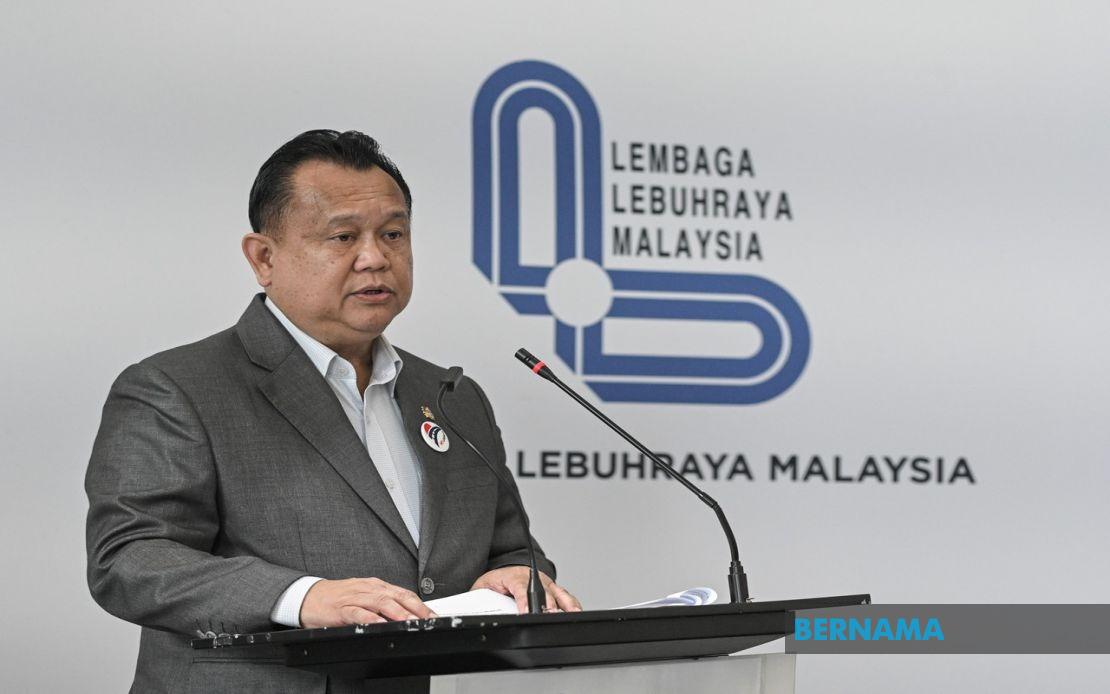
Works Minister Datuk Seri Alexander Nanta Linggi announced that the undertaking falls under the MADANI Monitoring programme, a strategic framework designed to enhance public safety and infrastructure quality. The initiative will see the deployment of 3,000 light poles across these carefully selected high-risk zones, creating illuminated corridors that authorities believe will significantly reduce accident rates. The collaboration between the Works Ministry, Finance Ministry, and Malaysian Highway Authority (LLM) demonstrates a coordinated government approach to tackling a persistent national safety challenge.
The government's decision to fund this project stems directly from Prime Minister Datuk Seri Anwar Ibrahim's commitment outlined during the 2026 Budget announcement in October. Originally earmarked at RM30 million, the decision to proceed with RM25.2 million in the initial phase reflects both fiscal prudence and a staged implementation strategy. This phased approach allows the government to evaluate project outcomes and adjust resource allocation based on real-world performance data before releasing remaining funds.
The timing and scope of this initiative underscore the severity of Malaysia's road safety crisis. Highway accidents continue to claim hundreds of lives annually, with poor lighting cited as a contributing factor in a substantial percentage of nocturnal collisions. By targeting the most dangerous stretches with solar-powered solutions, the government is addressing both the safety concern and environmental sustainability simultaneously, avoiding reliance on the electrical grid for these critical safety installations.
Solar-powered LED technology represents a practical choice for Malaysia's climate and infrastructure landscape. The nation's consistent equatorial sunshine provides reliable energy input year-round, while LED technology's longevity and minimal maintenance requirements reduce operational costs compared to traditional street lighting systems. This approach also offers flexibility in installation, as solar units do not require extensive grid infrastructure modifications, allowing rapid deployment even in remote highway sections.
The contractor selection process has been completed, with the Letter of Acceptance formally handed over, enabling immediate commencement of physical installation work. This rapid transition from contract award to site mobilisation indicates strong project momentum and government commitment to meeting the stated completion deadline of November 2024. The expedited timeline suggests the Works Ministry recognises the urgency of safety improvements on Malaysia's highway network.
For Malaysian motorists, the practical implications are considerable. Better illumination at previously dark stretches will enhance visibility for night drivers, reduce accidents caused by sudden hazards, and improve overall confidence on highways after sunset. The installations specifically target locations with documented high accident frequencies, meaning interventions will concentrate resources where evidence demonstrates greatest need.
The MADANI Monitoring programme itself carries broader significance for Malaysia's governance approach. By embedding safety projects within this monitoring framework, the government creates accountability mechanisms and performance tracking systems that extend beyond simple project completion. This structural approach suggests long-term thinking about infrastructure quality and road safety as ongoing national priorities rather than one-off initiatives.
For the broader Southeast Asian region, Malaysia's investment in solar highway lighting offers a replicable model. Countries facing similar road safety challenges and infrastructure constraints can observe this implementation, evaluate its effectiveness, and potentially adopt comparable strategies tailored to their specific circumstances. The project demonstrates how renewable energy solutions can address traditional public safety concerns, bridging sustainability and security objectives.
Beyond immediate safety benefits, this investment carries economic implications. Reduced accident rates translate to lower healthcare costs, decreased insurance premiums, improved business confidence in transportation networks, and enhanced productivity as safer roads enable more efficient goods movement. The ripple effects of improved highway safety extend well beyond the immediate beneficiaries of better lighting.
The government's sequential funding approach also demonstrates learning from past infrastructure projects. Rather than committing the entire RM30 million upfront, the decision to allocate RM25.2 million initially allows officials to assess construction quality, measure safety improvements, and refine requirements before releasing remaining funds. This adaptive management approach reflects maturing project governance practices.
Looking ahead, the success of this initial phase will likely influence similar safety initiatives across Malaysia's road network. If the 32 locations demonstrate measurable improvements in accident reduction and public satisfaction with nighttime highway conditions, pressure will mount for rapid expansion to additional high-risk zones. The November completion target will be critical in validating whether solar LED technology can deliver the promised safety outcomes within Malaysia's operational and budgetary parameters.