The government is actively reconsidering a request from Members of Parliament to gain access to closed-circuit television recordings documenting the fatal incident at Taiping Prison, which claimed the life of an inmate and injured nearly 100 others in January 2025. The proposal sits at the intersection of legislative oversight and administrative confidentiality, reflecting broader tensions in Malaysian governance around institutional accountability and parliamentary independence.
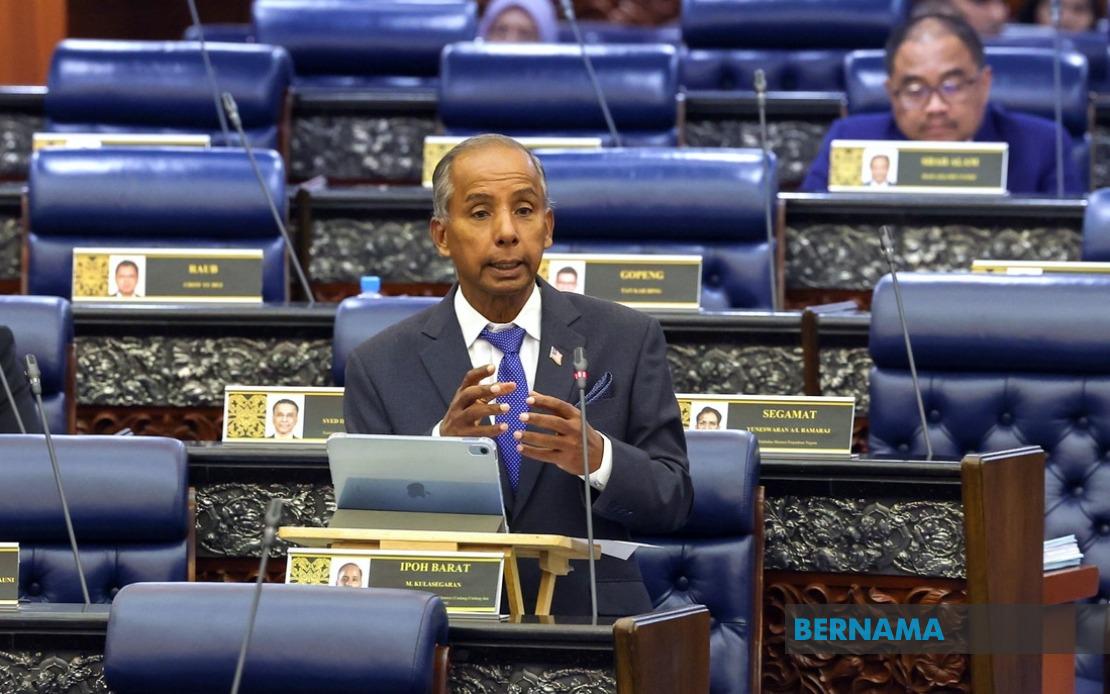
M. Kulasegaran, Deputy Minister in the Prime Minister's Department overseeing law and institutional reform, signalled qualified support for the initiative during parliamentary proceedings on the Human Rights Commission of Malaysia's annual report. He acknowledged that granting MPs access to such footage would strengthen their capacity to fulfil constitutional check-and-balance responsibilities. However, his cautious endorsement came with substantial caveats regarding the legal framework that would govern such disclosure.
The primary obstacle centres on sub judice considerations and the ongoing nature of court proceedings related to the incident. Malaysia's legal system prohibits the public discussion of matters under active judicial investigation to protect the integrity of the judicial process. This constraint creates a delicate balancing act between parliamentary transparency and judicial propriety. Kulasegaran indicated that consultations with relevant stakeholders—likely including the Prisons Department, Attorney General's Chambers, and the judiciary—would be necessary before the government could finalise its position on the matter.
The Taiping Prison incident of January 17, 2025, erupted amid allegations of prisoner provocation and rapidly escalated into a disturbance affecting a significant portion of the facility's population. The magnitude of the incident, involving approximately 100 injured detainees alongside the fatal casualty, underscored systemic vulnerabilities in institutional management and security protocols. The episode prompted heightened scrutiny of conditions within Malaysia's correctional facilities and raised uncomfortable questions about prisoner welfare and staff preparedness.
Beyond the immediate CCTV access debate, the government is simultaneously evaluating an expanded mandate for the Human Rights Commission of Malaysia, known locally as SUHAKAM. Proposals under review include granting SUHAKAM unannounced access to detention facilities without the courtesy of advance notice, a significant departure from current practice that could strengthen investigative capacity. Additionally, the government is contemplating the establishment of SUHAKAM branch offices in the East Malaysian states of Sabah and Sarawak, addressing long-standing geographic limitations in the commission's reach across the federation.
These institutional reforms carry implications for Malaysia's human rights framework, particularly given regional scrutiny of detention practices and prisoner treatment standards. The potential expansion of SUHAKAM's powers represents a tangible response to documented concerns about institutional oversight gaps, though implementation remains conditional upon budgetary allocation and political will. For Southeast Asia's diverse democracies, Malaysia's deliberation over such mechanisms offers instructive lessons about reconciling security imperatives with accountability mechanisms.
Following the prison incident, the Ministry of Health established a dedicated Institutional Health Unit on October 1, 2025, specifically tasked with monitoring and coordinating healthcare delivery standards across prison settings. Deputy Health Minister Datuk Hanifah Hajar Taib revealed that the ministry was collaborating with the Prisons Department to develop comprehensive healthcare service guidelines. Plans also include phased increases in the deployment of health professionals within correctional institutions, addressing previous gaps identified in medical facilities and personnel availability.
The government has also maintained its commitment to ensuring healthcare access for vulnerable populations, including undocumented children. While the Ministry of Health affirms its dedication to non-discriminatory service provision regardless of citizenship status, practical barriers remain. Individuals lacking official identification documents such as MyKad, MyKid, or birth certificates will continue to face standard charge structures. This policy navigates the complex intersection of humanitarian obligations and administrative procedures, reflecting ongoing tensions in Malaysia's approach to irregular migrants and stateless residents.
Parallel institutional initiatives extend to support systems for Malaysia's ageing population. Deputy Women, Family and Community Development Minister Lim Hui Ying outlined government targets to establish 40 additional Activity Centres for Senior Citizens, known locally as PAWEs, by 2030. The Social Welfare Department plans systematic expansion, opening at least ten new PAWEs annually beginning in 2027. This trajectory responds to SUHAKAM recommendations promoting equitable access to social programming for elderly citizens across diverse geographic and socioeconomic circumstances.
To overcome infrastructure constraints in remote or underserved regions, the Social Welfare Department has innovated through the PAWE 3A initiative, which repositions senior activities beyond fixed physical facilities toward flexible, accessible venues. This approach reflects adaptive governance strategies addressing the challenge of delivering standardised services across Malaysia's varied topography and settlement patterns. The programme acknowledges that senior citizens, particularly those in rural areas, require outreach mechanisms aligned with local conditions and mobility constraints.
The parliamentary motion encapsulating these discussions received approval from the Dewan Rakyat following comprehensive winding-up statements from multiple ministries, including Human Resources and Religious Affairs departments. The legislative endorsement signals broad-based governmental commitment to advancing human rights infrastructure and institutional safeguards, though the translation of parliamentary support into concrete policy implementation remains dependent upon budgetary appropriation and bureaucratic execution.
These developments collectively signal an evolving Malaysian state apparatus increasingly responsive to institutional accountability pressures and human rights advocacy. The government's simultaneous attention to prison reform, SUHAKAM expansion, healthcare accessibility, and senior citizen welfare suggests recognition that coherent human rights governance requires integrated institutional architecture. Whether the proposals achieving parliamentary approval will achieve meaningful implementation remains a question for Malaysian civil society and international observers monitoring institutional reform trajectories within the region.

