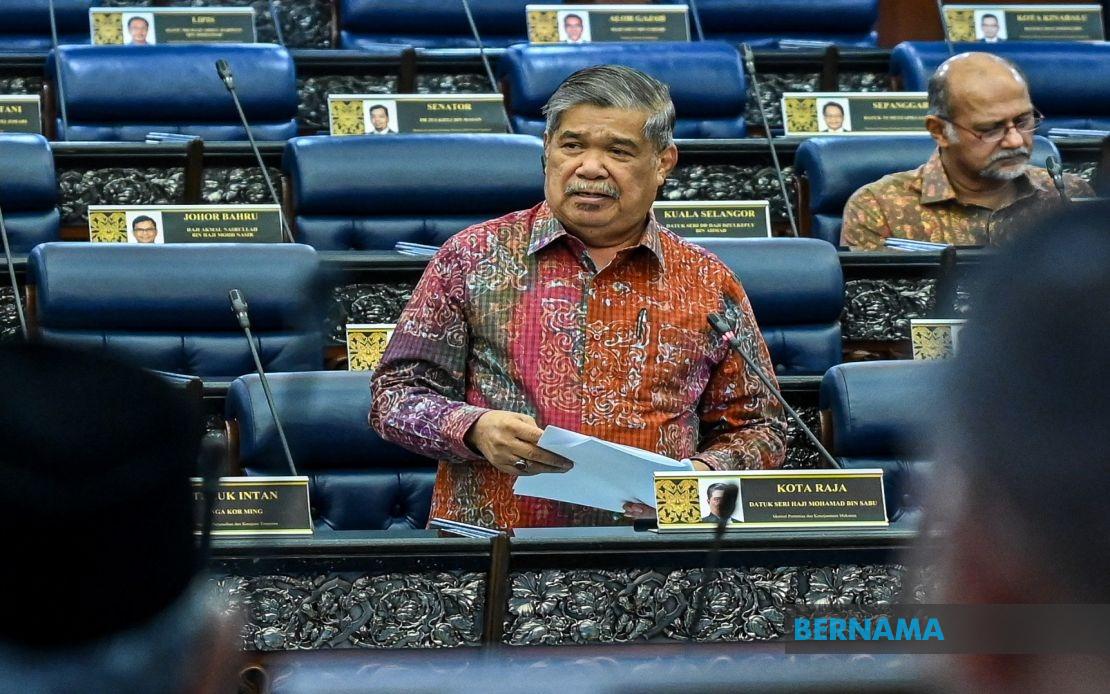
The Malaysian government has opened a pathway for fishermen operating without proper documentation to formalise their status, offering hope to thousands of traditional operators who have faced licensing uncertainties. Agriculture and Food Security Minister Datuk Seri Mohamad Sabu outlined the regularisation programme during parliamentary proceedings, explaining that the initiative is designed to absorb qualified applicants whenever licences become available due to cancellations or administrative adjustments.
Under this scheme, coastal fishermen can now submit applications through their respective District Fisheries Offices to obtain special boat licences for Zone A operations, which cover inshore and traditional fishing activities. The programme addresses a longstanding grievance within Malaysia's fishing communities, where many small-scale operators have continued working despite lacking formal credentials, exposing themselves to potential enforcement action and exclusion from government support schemes. By providing a structured regularisation pathway, the authorities aim to bring these operators into the formal regulatory framework while maintaining sustainability standards.
The minister emphasised that formalisation through this route confers substantial advantages beyond mere legal compliance. Licensed fishermen gain eligibility to access various government assistance programmes, including subsidies, training initiatives, and credit facilities that can enhance operational efficiency and income stability. Additionally, regularised operators contribute to improved data collection on fishing activities, enabling the Fisheries Department to better monitor stock levels and enforce conservation measures that protect the long-term viability of marine resources across Malaysian waters.
The licensing approval trajectory reveals growing demand for formal status within the sector. The Fisheries Department approved 800 new licences nationwide during the previous year, compared with 915 in the year before, indicating a substantial but fluctuating availability of licences as positions open and close throughout the administrative cycle. This variance underscores why the regularisation programme operates periodically rather than continuously, aligning licence issuance with genuine vacancies rather than inflating total permits beyond sustainable levels.
Mohamad clarified that existing licensing criteria remain appropriate and will continue guiding decisions to ensure allocations reach genuine fishermen dependent on the sector for their primary livelihood. The department does not intend to weaken standards, though it has committed to periodic reviews of eligibility criteria to address practical concerns raised by communities. This balancing act reflects the tension between accessibility for traditional operators and the need to prevent licence diversion to speculators or non-fishing interests that could undermine the scheme's integrity.
The specific requirements for Zone A boat licence applications reflect this careful calibration. Applicants must demonstrate a decade-long residential connection to their fishing community, certified by the village headman, alongside evidence of genuine fishing activity averaging at least 120 days annually at sea. The Fisheries Department also requires endorsement from relevant State Fisheries Offices, ensuring regional authorities verify applicant legitimacy and capability before forwarding approvals. These layered checks aim to prevent fraudulent claims while remaining achievable for authentic traditional operators.
Personal eligibility criteria further screen applicants to ensure genuine dependence on fishing income. Candidates must be aged 18 or above and in good health sufficient for maritime work. The government also implements an income ceiling for pensioners, permitting applications only from retirees whose monthly pensions do not exceed RM2,200, a threshold recognising that higher-income retirees likely do not require fishing as their primary income source. This provision prevents wealthy individuals from claiming licence slots needed by genuinely vulnerable communities.
Parliamentary questioning from Datuk Syed Abu Hussin Hafiz Syed Abdul Fasal highlighted ongoing concerns within fishing constituencies about transparency in licensing decisions. Some members worry that subjective interpretation of criteria has historically advantaged certain applicants while disadvantaging others, creating perceptions of inconsistency or favouritism. The minister's response pledged that the Fisheries Department would maintain dialogue with stakeholders and investigate specific complaints about improper licence issuance, signalling openness to correcting administrative errors where non-fishermen have obtained permits.
For Malaysian fishing communities facing increasing pressure from industrial competitors and environmental constraints, the regularisation programme represents a meaningful reform addressing operational uncertainty. Small-scale fishermen have long inhabited a grey zone between legal and informal status, unable to risk formalisation yet vulnerable to enforcement campaigns. By establishing clearer pathways to legitimacy, the government acknowledges the structural challenges confronting traditional sectors while attempting to integrate them into modern regulatory structures that support both sustainability and community welfare.
The broader implications for Southeast Asian fisheries governance are significant, as Malaysia's approach balances formalisation objectives against conservation imperatives. Rather than demanding immediate compliance without opportunity, the regularisation model creates graduated transition mechanisms enabling operators to adjust documentation status without forcing abrupt cessation of livelihoods. This pragmatism reflects recognition that sudden enforcement against informal fishing communities can generate social instability and resistance to regulatory frameworks, whereas structured pathways to compliance build legitimacy and voluntary cooperation.
Implementation success will depend substantially on accessibility and transparency throughout the application process. The Fisheries Department must ensure District Fisheries Offices provide clear guidance and minimal bureaucratic friction for applicants, many of whom may have limited formal education or documentation. Similarly, decision-making on applications requires consistent application of published criteria, with clear communication about approval or rejection reasons to enable legitimate appeals and prevent perceptions of arbitrary administrative action.
Looking forward, the regularisation programme's effectiveness will ultimately be measured not merely by licence numbers issued but by the resulting improvement in compliance culture within fishing communities. When operators view formal licensing as accessible and beneficial rather than punitive, they become willing partners in implementing sustainable fishing practices and environmental monitoring. The government's willingness to review criteria periodically also suggests commitment to evolving the system as practical experience reveals implementation challenges, maintaining flexibility while preserving the core objective of formalising Malaysia's fishing sector.

