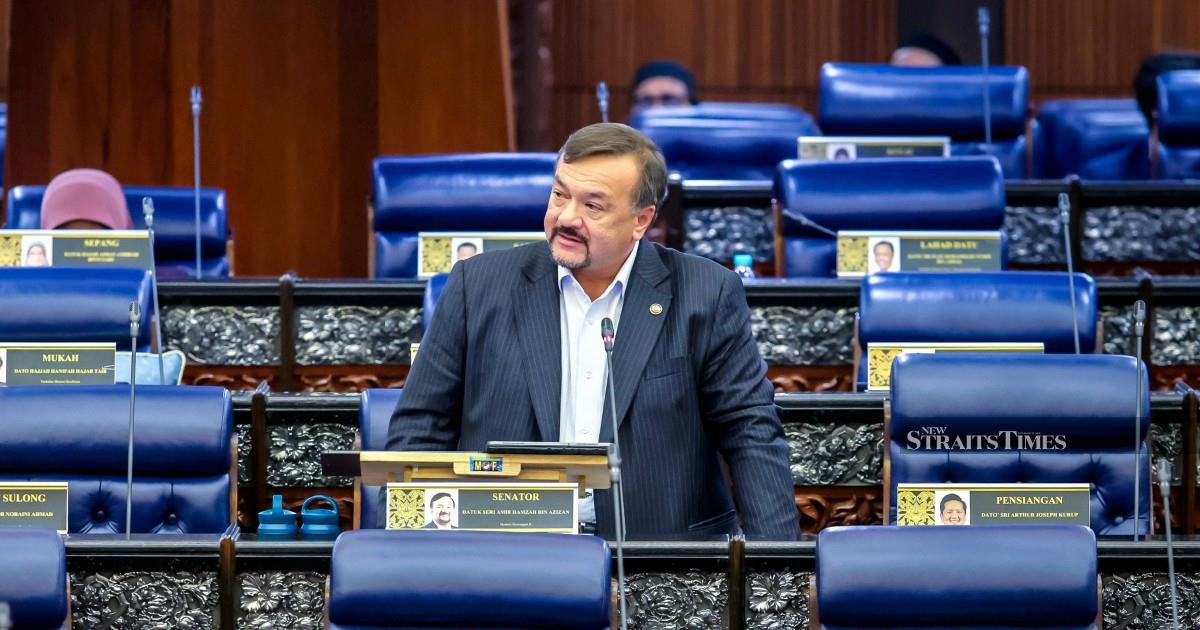
The Malaysian government has made an unequivocal commitment to pursue accountability across all levels in the escalating investigation into Tabung Haji's financial operations and historical investment decisions, with assurances that institutional or political protection will not shield anyone implicated in wrongdoing. This declaration underscores the gravity with which authorities are treating the matter as scrutiny intensifies over how the government-backed hajj savings institution has managed pilgrim deposits and made major financial commitments over recent years.
Tabung Haji, which serves as the primary savings mechanism for Malaysian Muslims preparing for the hajj pilgrimage, has faced mounting questions regarding its investment portfolio, governance standards, and the decision-making processes that guided significant capital allocations. The institution's financial position has become increasingly contentious as stakeholders, including depositors and the broader Muslim community, seek clarity on how their savings have been managed and what safeguards exist against potential losses or misallocation of funds.
The commitment to impartial investigations represents a shift in approach to examining state-linked institutions, where previous inquiries have sometimes been hampered by concerns about political interference or selective accountability. By explicitly stating that position and connections will not determine who faces consequences, authorities are attempting to rebuild public confidence in the integrity of the investigative process and demonstrate that no entity remains above scrutiny regardless of its status in the financial system.
Investigators are examining multiple areas of concern within Tabung Haji's operations, including investment decisions that may have exposed the institution's capital to excessive risk, the adequacy of internal controls, and whether proper governance frameworks were followed when approving major transactions. The scope of the inquiry reflects broader concerns about how government-linked companies manage public assets and whether appropriate oversight mechanisms exist to prevent financial misadventure.
For Malaysian depositors, the situation carries profound personal implications. Tabung Haji represents more than a financial instrument; for many Muslims, it embodies trust in an institution specifically designed to facilitate one of Islam's five pillars. The discovery of systemic failures or intentional misconduct could shake confidence in government-backed financial mechanisms more broadly and complicate future hajj preparation for millions of Malaysians who depend on such savings vehicles.
The investigation also occurs within the regional context of heightened scrutiny on corporate governance across Southeast Asia. Malaysia, alongside other nations in the region, has faced international pressure to strengthen oversight of state-owned enterprises and combat corruption within public institutions. The Tabung Haji probe therefore serves as a test case for how seriously Malaysian authorities are taking governance reform and whether commitments to transparency translate into meaningful action.
Economic implications extend beyond individual depositors. Tabung Haji's financial health affects the broader financial ecosystem, and sustained losses or reputational damage could influence how the institution functions and compete for deposits with private alternatives. The government's explicit refusal to provide protection to wrongdoers suggests confidence that accountability measures will ultimately strengthen institutional credibility and restore public trust, even if the investigation process reveals uncomfortable truths.
The investigation's outcome will likely influence future discussions about regulatory frameworks for Islamic financial institutions and savings vehicles throughout Malaysia. Policymakers will probably scrutinize whether existing oversight structures were adequate and what additional safeguards might prevent similar situations in other government-linked entities. This could lead to broader governance reforms that reshape how such institutions operate and report to stakeholders.
Public statements about investigative impartiality carry particular weight in Malaysia's political context, where concerns about selective prosecution and the use of investigations for political purposes remain pertinent. By repeatedly emphasizing that accountability will be applied uniformly regardless of political affiliation or institutional position, authorities are attempting to preempt criticism that the investigation might be weaponized for factional advantage rather than genuine wrongdoing correction.
The path forward requires balancing the need for thorough investigation with timely resolution that provides closure for affected depositors. The ongoing nature of the probe, combined with pledges of comprehensive accountability, suggests that authorities recognize the investigation's importance extends beyond technical financial violations to encompass broader questions of institutional trustworthiness and governance integrity within Malaysia's public sector.

