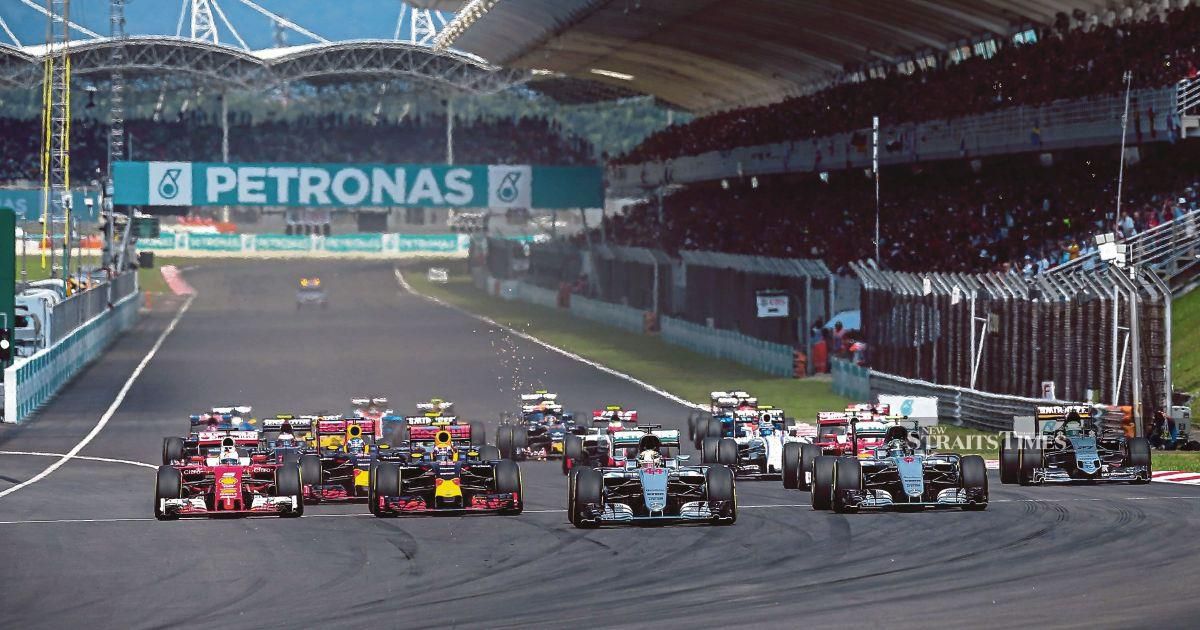
The Malaysian government has rolled out a special ticket scheme offering Formula 1 enthusiasts access to the Sepang International Circuit for just RM200 per pass, according to Prime Minister Datuk Seri Anwar Ibrahim. The initiative represents a significant push to democratise attendance at one of Asia's most prominent motorsport spectacles, ensuring that Formula 1's much-anticipated October return does not remain the exclusive preserve of affluent ticket-holders.
Anwar Ibrahim framed the programme as part of a broader vision to strengthen public engagement with the Grand Prix, positioning it as more than a commercial venture but rather a cultural and sporting experience belonging to all Malaysians. The heavily subsidised entry price stands in stark contrast to typical Formula 1 ticket pricing structures, which have historically placed international standards far beyond the reach of average local wage-earners. By introducing an entry point at RM200, the government has effectively doubled-down on its commitment to inclusive sporting events that generate broad-based enthusiasm rather than confined spectator bases.
The timing of this announcement carries particular significance as Malaysia prepares to host the prestigious racing calendar for the second time in recent memory. The Sepang International Circuit, located on the outskirts of Kuala Lumpur, has established itself as one of Southeast Asia's premier motorsport venues, and the Grand Prix represents a major economic event that draws international visitors, media attention, and sustained investment in local infrastructure and hospitality sectors. The October fixture will serve as a reminder of Malaysia's standing within the global motorsport community and its capacity to deliver world-class racing experiences.
For ordinary Malaysians, the subsidy represents a tangible benefit of government policy translating into lived experience. Many Malaysians who have expressed interest in attending Formula 1 but deemed traditional pricing prohibitive will now have a genuine opportunity to witness elite drivers, cutting-edge automotive engineering, and the spectacle that defines contemporary motorsport. The RM200 threshold is deliberately pitched to align with discretionary spending patterns of middle and working-class households, making it a realistic proposition for families and groups of friends to attend together.
The initiative also reflects strategic thinking about the broader ecosystem surrounding major sporting events. When more local residents attend the Grand Prix, they generate increased demand for accommodation, dining, transportation, and related services. This spending multiplier effect extends benefits throughout the tourism and hospitality sectors, supporting service workers and small businesses in ways that exclusive, high-priced events cannot replicate. Kuala Lumpur and surrounding regions stand to benefit significantly from expanded attendance figures.
From a regional perspective, Malaysia's approach offers a template for other Southeast Asian nations hosting international sporting events. The question of accessibility versus revenue has long preoccupied major event organisers, but Anwar Ibrahim's administration has signalled that public participation and national pride can justify accepting lower per-ticket revenues in exchange for broader social benefit. This stands in contrast to purely profit-maximising approaches that prioritise maximum ticket prices over attendance volume.
The Formula 1 calendar occupies a unique position in global sporting consciousness, with the October Sepang race attracting intense media coverage and fan interest well beyond Malaysia's borders. International broadcasters will beamed images of Malaysia's racing fans throughout the world, generating soft power benefits and enhancing the nation's international profile as a destination for major events. A well-attended, enthusiastic grandstand demonstrates Malaysia's capability to host premier international sporting occasions.
For automotive enthusiasts and motorsport aficionados, the special ticket pricing removes a significant barrier to experiencing Formula 1 at circuit level. Television broadcasts, while comprehensive, cannot fully convey the sensory experience of live racing—the engine roar, the acceleration forces, the proximity to the world's fastest drivers, and the atmosphere generated by engaged spectators. The government's pricing initiative acknowledges this experiential gap and works to narrow it.
The October Grand Prix also represents a significant moment in Malaysia's sporting calendar, offering an alternative focal point to football and badminton, the sports that typically dominate local attention. Expanding Formula 1 accessibility could cultivate a generation of younger Malaysians with deeper interest in motorsport, potentially nurturing domestic talent pipelines and supporting local automotive industries seeking to position themselves within global racing ecosystems. The event thus serves functions extending well beyond a single weekend's entertainment.
Critical questions remain regarding ticket availability, purchasing mechanisms, and potential restrictions on the special pricing allocation. The government has not yet clarified whether the RM200 tickets will be capped at specific quantities, reserved for particular demographic groups, or subject to residency verification requirements. These administrative details will prove crucial in determining whether the initiative achieves its stated objective of genuinely broadening access or whether constraints limit its real-world impact.
The announcement also arrives during a period when Formula 1 increasingly scrutinises venue sustainability and community benefit metrics. By demonstrating commitment to inclusive attendance policies, Malaysia strengthens its positioning as a responsible host nation prioritising social impact alongside sporting excellence. This approach aligns with evolving international expectations that major sporting events generate meaningful returns for host communities rather than extractive financial models benefiting primarily external stakeholders.
As preparations intensify for the October fixture, the special ticket initiative will likely prove instrumental in shaping public discourse around the Grand Prix. Rather than dismissing Formula 1 as an elite spectacle beyond ordinary reach, the government's pricing strategy reframes participation as a realistic possibility for working Malaysians and their families. Whether this translates into substantially higher domestic attendance figures will become apparent when gates open, but the underlying message that major sporting events should remain accessible to the broader population has already resonated strongly across Malaysian society.

