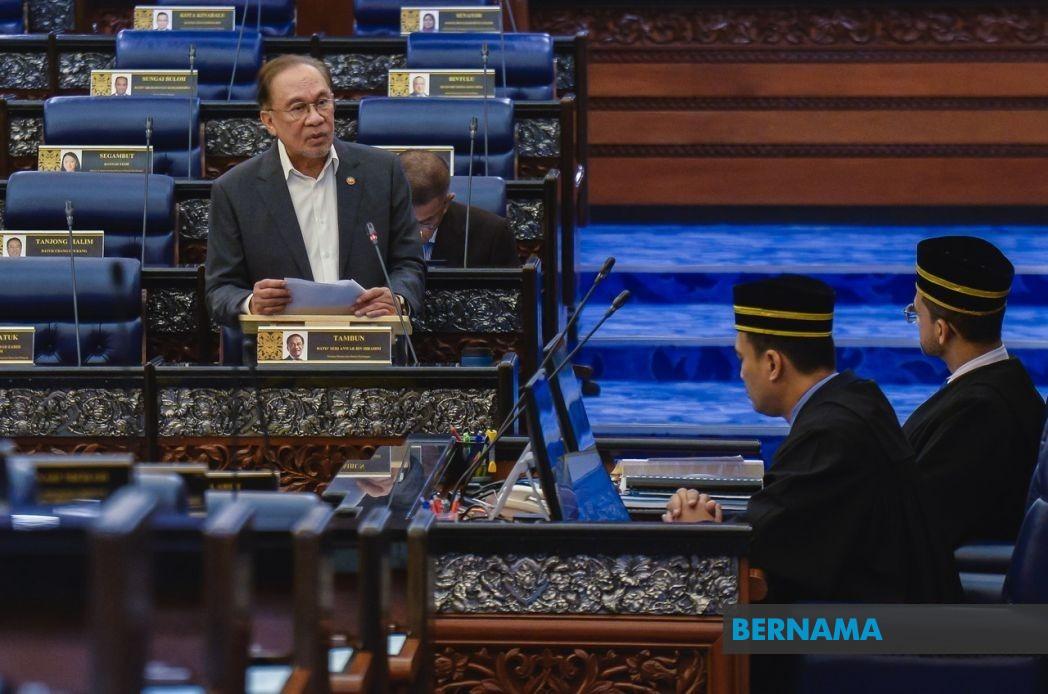
Prime Minister Datuk Seri Anwar Ibrahim has committed to investigating claims that petrol station operators incurred substantial losses during the implementation of Malaysia's enhanced fuel subsidy mechanism. The government plans to engage directly with oil companies and gather comprehensive details about the financial impact experienced by operators at the point of transition, according to remarks made during Minister's Question Time in the Dewan Rakyat.
The issue surfaced when Ipoh Timur MP Howard Lee Chuan How raised concerns about petrol station operators allegedly losing between RM40,000 and RM50,000 during the period when the government shifted to its targeted subsidy approach for RON95 petrol and diesel. This transition represented a significant policy shift in how Malaysia manages fuel pricing and subsidy distribution, and the operational challenges faced by frontline retailers warrant closer examination.
Anwar, who also holds the Finance portfolio, indicated that responsibility for pursuing the matter would fall to Second Finance Minister Datuk Seri Amir Hamzah Azizan. The Prime Minister emphasised the collaborative approach the government has maintained with the petroleum industry throughout the subsidy reform process, acknowledging that successful implementation has depended on practical cooperation from both oil majors and individual station operators.
The targeted subsidy mechanism represents a departure from blanket fuel subsidies that previously applied across the board. Under this system, qualifying Malaysian citizens receive subsidised fuel through digital verification, while non-citizens and bulk purchasers pay market rates. While the policy aims to improve fiscal efficiency and direct benefits to those most in need, the transition created operational complications for retailers managing two-tiered pricing structures and processing systems.
Anwar's characterisation of the relationship between government and industry stakeholders as cooperative suggests an openness to addressing legitimate grievances. The Prime Minister explicitly acknowledged that if shortcomings have emerged during implementation, dialogue and collaborative problem-solving remain viable paths forward. This measured response indicates the government recognises the delicate balance required between fiscal responsibility and supporting the business viability of petrol station operators.
For Malaysian petrol retailers, the transition period created cash flow pressures as they absorbed costs associated with managing parallel pricing systems, training staff, implementing point-of-sale technology upgrades, and reconciling inventory under the new subsidy arrangement. The alleged losses of RM40,000 to RM50,000 per station, if widespread across the thousands of petrol stations nationwide, would represent a substantial aggregate burden on what are often modest-margin retail operations.
The government's willingness to engage in further discussions reflects broader recognition within economic policymaking circles that major transition initiatives require adjustment periods and contingency mechanisms. Unlike sudden policy reversals, a structured dialogue with industry participants allows authorities to identify implementation bottlenecks, quantify actual impacts, and explore targeted remedies that preserve policy objectives while addressing unintended consequences.
From a Southeast Asian perspective, Malaysia's experience offers instructive lessons for other nations managing subsidy reforms. Countries including Indonesia, Thailand, and Vietnam have grappled with similar challenges when attempting to transition from universal to targeted subsidy models. The political economy of fuel pricing in the region remains sensitive, requiring governments to balance macroeconomic sustainability against social concerns and business sector impacts.
The Second Finance Minister's role in this investigation carries particular significance, as the finance ministry controls both subsidy budgets and mechanisms for delivering support to affected parties. Whether remedies might take the form of transitional assistance payments, accelerated depreciation of capital investments made for subsidy system compliance, or other forms of compensation remains to be determined following detailed discussions with oil companies and station operators.
Anwar's public commitment to addressing the issue serves multiple strategic purposes. It demonstrates responsiveness to parliamentary concerns raised by opposition-aligned MPs, reinforces the government's collaborative posture toward business stakeholders, and signals that the subsidy transition, while broadly successful, is subject to refinement. For petrol station operators contemplating investments in infrastructure or technology to support the subsidy mechanism, such assurances may be necessary to maintain confidence in government policy stability.
The broader context of Malaysia's fiscal challenges makes this discussion particularly important. Government spending on fuel subsidies, even when targeted, represents a significant budget line item. The targeted subsidy approach aims to reduce overall subsidy costs while protecting vulnerable populations. Successfully executing this transition without creating undue hardship for the retail sector helps sustain public and business support for fiscal consolidation efforts more broadly.
Moving forward, the engagement between the finance ministry and petroleum industry participants may establish precedents for how Malaysia manages future subsidy reforms or similar structural economic transitions. Petrol station operators represent a dispersed constituency with limited individual bargaining power but considerable collective importance to fuel distribution infrastructure. Their economic viability directly affects fuel accessibility and pricing efficiency across Malaysia's regions, particularly in less densely populated areas where margins are typically thinner.

