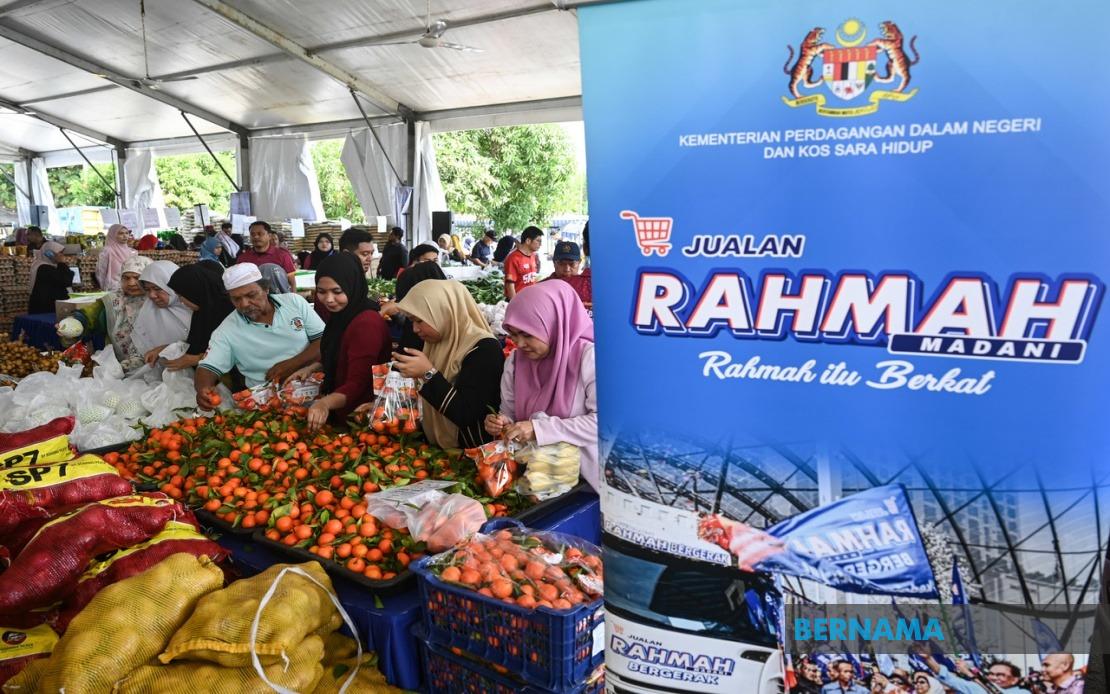
Prime Minister Datuk Seri Anwar Ibrahim has announced plans to roll out the Ihsan Rahmah 9.9 online sale on September 9 as part of Malaysia Day 2026 celebrations, signalling a significant shift in how the government delivers cost-of-living support to citizens. The move represents the first occasion the popular subsidy initiative will be conducted primarily through digital channels, reflecting broader efforts to modernise public service delivery and reach a wider audience through e-commerce platforms.
Anwar framed the initiative as a demonstration of the administration's commitment to all 34.5 million Malaysians, emphasising that robust economic performance must translate into tangible improvements in household purchasing power and living standards. He underscored this message while inaugurating the TikTok Shop Summit Malaysia, an event that underscores the growing intersection between government policy and digital commerce in the region. The timing of the announcement at such a platform reflects recognition that younger demographics and increasingly digitally-savvy consumers conduct substantial portions of their shopping online.
The initiative will operate with coordinated support from multiple government agencies, including the Ministry of Domestic Trade and Cost of Living, which traditionally oversees the Jualan Rahmah programme. Present at the announcement were Communications Minister Datuk Seri Fahmi Fadzil, Entrepreneur and Cooperative Development Minister Steven Sim Chee Keong, and Domestic Trade and Cost of Living Minister Datuk Armizan Mohd Ali. This broad ministerial engagement suggests the government views the online sale as a cross-cutting policy tool with implications beyond consumer protection and retail regulation.
The Jualan Rahmah programme itself has become a cornerstone of Malaysia's cost-of-living management strategy. Participating merchants typically reduce prices on essential household items—groceries, toiletries, cleaning supplies and other daily necessities—by between 10 and 30 percent below regular retail rates. By moving the September edition online, the government aims to expand the pool of eligible retailers and buyers while reducing logistical constraints that have sometimes limited participation in previous physical marketplace editions.
Anwar stressed that the digital pivot would make discounted goods more accessible to Malaysians across diverse geographic locations and income brackets. By harnessing e-commerce infrastructure and online shopping habits established during and after the COVID-19 pandemic, the government can theoretically reach consumers in rural areas who may lack convenient access to physical Jualan Rahmah venues. This geographic democratisation of access represents one potential advantage of the online model over traditional bazaar-style events held in major urban centres.
The Prime Minister also contextualised the sale within a broader policy framework linking macroeconomic management to microeconomic household welfare. He noted that strong gross domestic product growth figures must be accompanied by visible improvements in education quality, healthcare access, fundamental infrastructure, and most pressingly, the cost of living. This rhetorical framing suggests the government recognises mounting public concern about affordability despite positive headline economic statistics, a disconnect that has characterised Malaysian political discourse in recent years.
For the promotion and awareness phase, Anwar appealed to stakeholders across the public and private sectors to disseminate information about the sale widely. He acknowledged that programme benefits only reach citizens who are aware of the offers and possess the means to participate. This emphasis on communication and accessibility reflects lessons learned from previous Jualan Rahmah events, where limited publicity or digital literacy barriers sometimes prevented eligible populations from capitalising on discounts.
The online sale model also carries implications for small and medium enterprises and digital retailers throughout Southeast Asia. By integrating the government subsidy programme into established e-commerce ecosystems, Malaysia creates a template that other regional governments might emulate. It also signals to digital merchants that government policy actively supports and legitimises their role in essential services delivery, potentially encouraging further investment in logistics infrastructure and payment systems optimised for bulk consumer transactions.
From a consumer perspective, the September 9 timing deliberately links the sale to Malaysia Day festivities, adding patriotic and celebratory dimensions to what is fundamentally a subsidy initiative. This branding approach attempts to reframe cost-of-living assistance as an expression of national solidarity and governmental care, rather than emergency crisis management. The psychological and symbolic significance of anchoring the programme to national observances may enhance take-up rates and public perception of government responsiveness.
Looking ahead, the success of the Ihsan Rahmah 9.9 online edition will likely influence whether subsequent editions maintain the digital-first approach or incorporate hybrid models combining online and physical components. The availability of real-time data on transaction volumes, purchasing patterns, and geographic participation could inform future decisions about targeting, product selection, and partnership strategies with retailers. Malaysian policymakers will be monitoring international precedents and regional peer experiences with similar initiatives.

