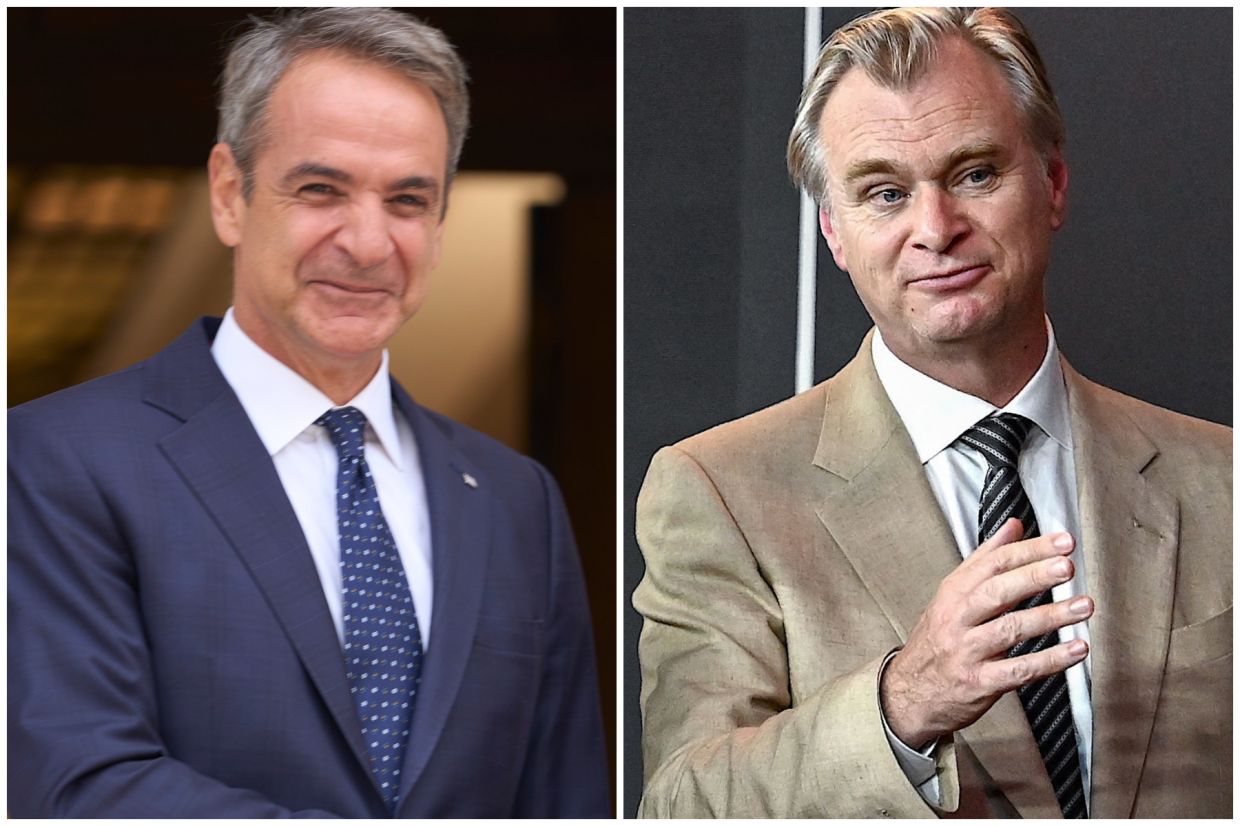
Greek Prime Minister Kyriakos Mitsotakis has expressed his gratitude to British filmmaker Christopher Nolan for leveraging cinema to rekindle worldwide engagement with ancient Greek civilisation. During a teleconference held on Monday, July 27, Mitsotakis congratulated Nolan on the extraordinary commercial and cultural achievement of his film, which has successfully translated Homer's timeless narrative into a contemporary cinematic experience that resonates with modern audiences across continents.
The film's commercial performance underscores its broad appeal and cultural significance. It has maintained the top position at the United States box office for two consecutive weeks while accumulating USD 640 million in worldwide revenues, establishing itself as a major cultural phenomenon. This financial success reflects not merely ticket sales, but a deeper appetite among global audiences for narratives rooted in classical antiquity, particularly when presented through the sophisticated filmmaking techniques that Nolan is renowned for delivering.
In his official statement, Mitsotakis emphasised the film's role in "boosting global interest in ancient Greek civilisation," recognising that popular entertainment serves as a powerful medium for cultural diplomacy and heritage promotion. The Prime Minister articulated a nuanced understanding of how contemporary creative works can serve as bridges connecting Greece's profound historical legacy with modern artistic expression. By acknowledging this synergy, Mitsotakis positioned the film as more than mere entertainment, but rather as a vehicle for advancing Greece's cultural influence in an increasingly interconnected global landscape.
The commercial performance has extended beyond cinema attendance. Spotify reported a notable surge in demand for audiobook translations of the source material, suggesting that the film has catalysed deeper engagement with Homer's original work. This phenomenon demonstrates how successful film adaptations can function as gateways to classical literature, introducing audiences unfamiliar with ancient texts to foundational works of Western civilisation. For Greek cultural institutions and tourism sectors, this renewed interest carries tangible economic and promotional benefits.
However, the production has not escaped controversy. Tech entrepreneur Elon Musk, the world's wealthiest individual, has utilised his platform on X to voice criticism of the film on multiple occasions. Musk's objections centred on the casting decisions, which he characterised as "desecrating" the original narrative. His opposition emerged months before the film's release, when he openly challenged Nolan's decision to cast Black actress Lupita Nyong'o in the role of Helen of Troy and to feature transgender actor Elliot Page as the Greek warrior Sinon. These criticisms reflect broader cultural debates about representation, authenticity, and the interpretation of classical narratives in contemporary adaptations.
Within Greece itself, concerns have been raised regarding the underrepresentation of Greek actors in substantive roles. Critics have observed that the film's cast comprises primarily international talent, with Greek performers relegated to supporting and background positions. This disparity has sparked discussions about whether major international productions utilising Greek locations and narratives should prioritise local talent and ensure meaningful Greek representation in key creative roles. The tension between international filmmaking standards and local cultural expectations reflects evolving conversations about cultural ownership and representation in the entertainment industry.
Despite these controversies, Mitsotakis chose to emphasise the positive dimensions of the collaboration. The Prime Minister specifically commended Nolan on achieving "great box office success" while expressing gratitude that a substantial portion of the production work occurred on Greek soil. This strategic framing prioritises economic benefits and international prestige while diplomatically sidestepping the controversy surrounding casting choices and representation issues.
The production's engagement with Greek geography carries both symbolic and practical significance. Significant filming took place in Messenia and Corinth, regions located within the Peloponnese in southern Greece. The Peloponnese holds profound historical importance as the geographical and cultural epicentre of the Bronze Age civilisation that Homer immortalised in his epic poetry. By filming in these historically resonant locations, Nolan grounded his cinematic interpretation in authentic landscapes, allowing viewers to experience the actual terrain that shaped the narratives being depicted on screen.
This filming choice resonates deeply with Greek audiences and policymakers, as it demonstrates how international productions can generate employment, facilitate infrastructure development, and amplify the visibility of Greek destinations on a global scale. For regional audiences in Southeast Asia, the broader implications suggest that cultural heritage and classical narratives maintain universal resonance, transcending geographical and temporal boundaries. The success of the film indicates that audiences worldwide, including in Asian markets, demonstrate appetite for sophisticated interpretations of Western classical traditions.
The episode illustrates the complex dynamics of modern cultural production, wherein blockbuster films serve simultaneously as entertainment commodities, cultural ambassadors, and contested sites for debates about representation and authenticity. Mitsotakis's measured response demonstrates diplomatic skill in celebrating international recognition of Greek heritage while navigating legitimate concerns about local involvement and casting choices. As streaming platforms and international productions increasingly utilise locations and narratives from diverse cultural traditions, questions about equitable representation, fair compensation, and cultural respect will likely intensify across multiple regions.

