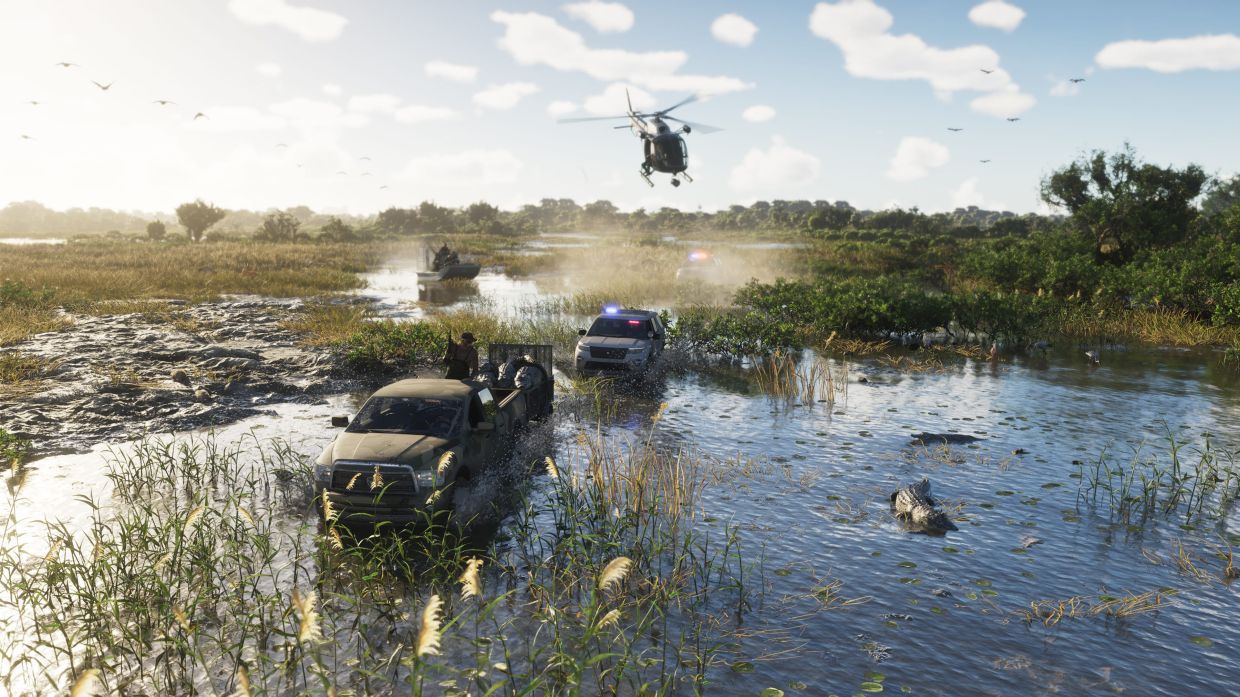
Grand Theft Auto VI burst onto Netflix in late August following a series of unauthorized leaks that forced developer Rockstar Games to accelerate its official preview release. The footage introduces players to the game's dual protagonists, Jason and Lucia, depicted as modern-day outlaws navigating a world of organised crime, narrow escapes, and morally ambiguous partnerships. The sequence opens with the pair fleeing a drug enforcement operation, establishing the criminal undertones that have long defined the franchise's appeal to global audiences.
The preview showcases the dynamic interaction systems that Rockstar has refined across decades of development. Players will have the agency to direct physical intimacy between characters, such as holding hands, reflecting the studio's commitment to depicting nuanced relationships within a crime-driven narrative. This mechanic extends beyond superficial customization, hinting at how player choices may influence the trajectory of Jason and Lucia's partnership as the story unfolds. The Bonnie and Clyde comparison resonates particularly well, invoking the historical desperation and doomed loyalty that characterised those early twentieth-century American criminals who robbed banks across multiple states before meeting violent ends in a police ambush.
The official preview content itself delivers the kinetic spectacle expected from a franchise that has sold hundreds of millions of copies since its 1997 debut. Rooftop confrontations, high-speed vehicular pursuits through urban environments, and armed skirmishes dominate the footage, demonstrating Rockstar's continued investment in action choreography and environmental destruction. Notably, the preview includes scenes set within adult entertainment venues, a franchise staple that continues to generate controversy among consumer groups and regulators worldwide. These sequences underscore how the Grand Theft Auto series has persistently tested the boundaries of acceptable content in interactive media.
The Netflix release experienced significant technical disruption when the preview went live on August 27. Users across multiple regions encountered streaming interruptions and platform outages during midday hours, suggesting either unprecedented demand or infrastructure strain as the platform simultaneously served the global audience hungry for footage. This technical stumble highlighted the challenge of distributing high-traffic content to hundreds of millions of concurrent users. YouTube received the same preview content later that day, providing an alternative distribution channel to Netflix subscribers and extending the reach to viewers without streaming service access.
Rockstar's decision to release the preview through established entertainment platforms represented a measured response to circumstances beyond its control. Beginning August 18, unauthorized gameplay footage appeared across internet communities, with increasingly detailed clips circulating through social media and gaming forums. The developer characterised this breach as deeply disappointing, publicly stating that this leak represented a significant departure from how the company had envisioned introducing its new product to the world after years of secretive development. The unauthorised distribution forced a strategic pivot toward damage control and narrative management.
The company moved aggressively through the American legal system to identify the breach's source. Rockstar obtained court orders in August 21 directing technology giants Microsoft and Discord to provide data that might illuminate the hacker's identity and methods. Federal judges in New York approved these subpoena requests following filings submitted a day earlier, according to judicial documents reviewed by international news agencies. The legal manoeuvre reflected Rockstar's determination to pursue the perpetrator despite the practical limitations of cross-border cybercrime investigation. Such aggressive litigation, while symbolically important, often yields limited results when the culprit operates through anonymous accounts and encrypted communications.
The leaks have been attributed to an account operating under the pseudonym Cyberleek, whose associated actors claim their actions serve a broader ideological purpose. According to statements circulated online, the account's operators positioned the breach as an exposé of questionable industry business practices and labour conditions, transforming what might initially appear as simple data theft into a claimed form of activist disclosure. This framing complicates public perception of the incident, as some segments of the gaming community view such leaks sympathetically, particularly given ongoing scrutiny of developer working conditions and corporate practices throughout the industry.
Controversy has shadowed Grand Theft Auto VI's development cycle since parent company Take-Two announced its distribution strategy. The decision to forgo physical editions completely sparked significant backlash among collectors and players who value tangible ownership, a position that has gained renewed salience amid rising concerns about digital rights and content preservation. Compounding this friction, Take-Two introduced a premium tier offering enhanced content at elevated pricing, a tiered pricing model that further alienated portions of the fanbase already frustrated by the elimination of physical retail options.
The franchise's cultural reach extends even into military recruitment strategy. A unit of the United States Army recently offered active-duty soldiers four additional days of leave as an inducement to reenlist, provided they committed to extended service contracts of minimum two years. According to military news reporting, approximately twenty soldiers from an eligible pool of one hundred thirty accepted this unusual benefit package, demonstrating how interactive entertainment has permeated institutional recruitment efforts. The strategy reflects recognition among military leadership that gaming represents a significant motivator for younger demographics considering career options.
For Malaysian audiences and Southeast Asian gaming communities, the Grand Theft Auto VI release carries particular resonance. The region represents one of the world's fastest-growing gaming markets, with urban demographics increasingly consuming triple-A titles through digital distribution networks. The shift away from physical media aligns with regional trends toward streaming and cloud-based services, though it simultaneously limits access for players with inconsistent broadband connectivity or who prefer ownership models. The game's crime-centric narrative and moral ambiguity ensure continued conversations about content regulation across the region, where several nations maintain strict content classification standards and have previously scrutinised the franchise.

