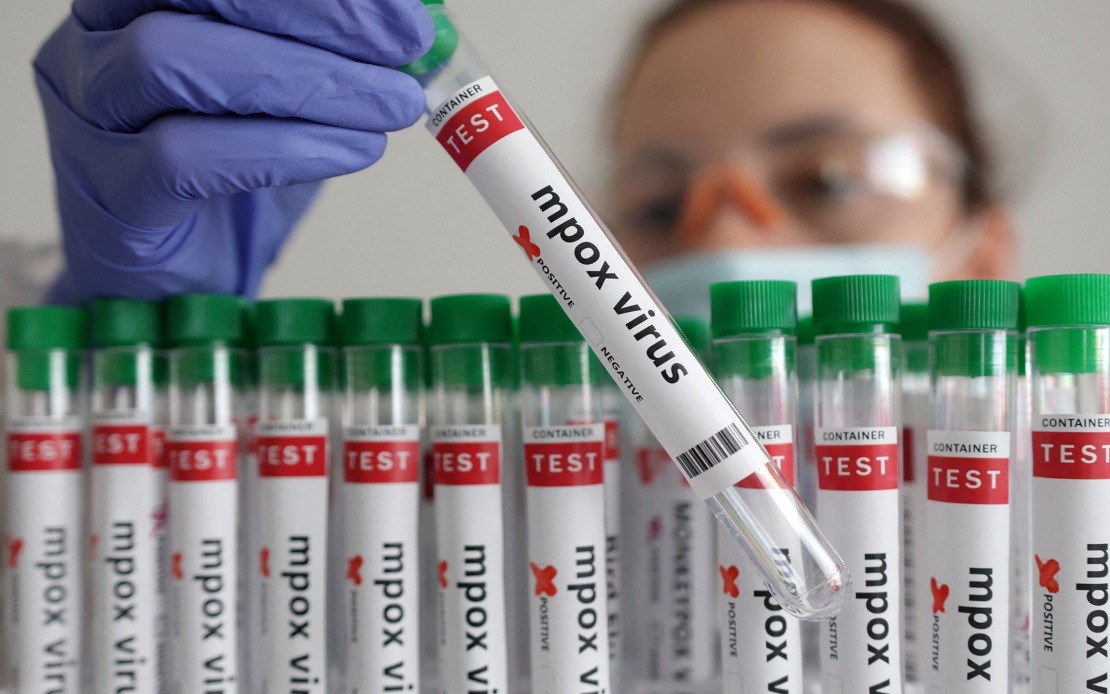
Guinea-Bissau has officially confirmed its first case of mpox, marking a significant public health development for the West African nation. Public Health Minister Quinhin Nantote announced the confirmation during a press briefing on Saturday evening, initiating what officials describe as a comprehensive containment strategy aligned with international protocols.
The patient identified in the outbreak is a 27-year-old woman who initially presented for medical attention on June 24. Clinical samples obtained from characteristic skin lesions were first processed through Guinea-Bissau's National Institute of Public Health, which detected the presence of mpox viral material. Subsequent confirmation testing conducted at the Institut Pasteur in Dakar, Senegal, validated the diagnosis and provided definitive laboratory evidence of infection.
The confirmation has triggered immediate activation of Guinea-Bissau's national disease response infrastructure. Health authorities have mobilised contact tracing operations designed to systematically identify, locate, and monitor all individuals who may have experienced direct exposure to the confirmed case. This epidemiological investigation represents a critical early intervention strategy to contain potential spread and prevent secondary transmission chains within the community.
Surveillance capabilities have been substantially expanded throughout Guinea-Bissau's healthcare system and at key border crossing points. This geographical spread of monitoring capacity reflects international best practices for mpox containment, particularly given the virus's ability to cross national boundaries through population movement. Enhanced vigilance at border stations aims to detect and prevent introduction of the virus from neighbouring countries whilst simultaneously preventing exportation from Guinea-Bissau.
Minister Nantote has issued specific public health directives emphasizing fundamental disease prevention measures. Citizens have been instructed to maintain rigorous hand hygiene practices, maintain physical distance from individuals displaying fever or suspicious skin manifestations, and practise respiratory precautions. These measures represent the foundation of community-level disease control, complementing the clinical response coordinated by health institutions.
Mpox transmission typically occurs through direct contact with infected individuals' bodily fluids, respiratory secretions released during coughing or sneezing, and contact with contaminated materials such as clothing or bedding. The infection produces characteristic clinical presentations including pyrexia, myalgia, the distinctive vesicular skin eruptions that define the disease, and lymphadenopathy. Understanding these transmission pathways and symptoms enables both healthcare workers and the general population to recognise suspected cases and implement appropriate protective measures.
The emergence of mpox in Guinea-Bissau carries particular relevance for the broader West African region, where limited laboratory capacity, dispersed healthcare infrastructure, and significant cross-border population movement create conditions favourable for viral spread. The nation's borders with Senegal, Guinea, and Guinea-Conakry facilitate regular trade and travel, creating potential epidemiological corridors through which the virus could disseminate. Regional coordination mechanisms, though sometimes constrained by resource limitations, become essential during disease outbreaks affecting multiple nations.
Guinea-Bissau's rapid confirmation and public disclosure of the case demonstrates commitment to transparency consistent with World Health Organisation guidelines. The government's immediate invocation of International Health Regulations protocols and WHO recommendations signals institutional capacity for organised disease response, despite the nation's historically limited economic resources dedicated to healthcare infrastructure. This measured approach contrasts with delayed reporting patterns observed during some previous disease outbreaks in developing nations.
For Malaysian observers, Guinea-Bissau's mpox confirmation underscores the reality that infectious disease threats persist globally and transcend geographical boundaries. Southeast Asian nations maintain expanding trade relationships and people-to-people connections with West African countries through business partnerships, educational exchanges, and diplomatic engagement. While the epidemiological risk to Malaysia remains low given the considerable distance and limited direct travel routes from Guinea-Bissau, heightened global mpox circulation necessitates sustained awareness among Malaysian healthcare providers and public health authorities.
The case also illustrates divergent pandemic preparedness capacities across the developing world. Guinea-Bissau's ability to conduct rapid diagnosis through partnerships with regional laboratories demonstrates how international scientific collaboration can strengthen weak national systems. Yet the nation's limited healthcare resources highlight broader inequities in disease detection and response capabilities that characterise much of sub-Saharan Africa. These structural vulnerabilities underscore why wealthy nations have responsibility for supporting global health security infrastructure through technology transfer and capacity development.
Looking forward, Guinea-Bissau's health system faces the challenge of sustaining heightened surveillance without exhausting limited personnel and financial resources. Contact tracing operations, laboratory testing, and public communication campaigns require sustained commitment and funding. The coming weeks will prove critical in determining whether this initial case represents an isolated incident or the beginning of wider community transmission. Success will depend substantially on rapid detection of secondary cases and effectiveness of contact management protocols.
The situation warrants continued international attention and potential technical support through mechanisms such as the WHO regional office and bilateral partnerships with capacity-rich nations. Malaysia and other regional partners might usefully monitor developments whilst ensuring their own mpox preparedness systems remain calibrated to detect and respond to imported cases. Global health security ultimately depends on effective responses across all nations, regardless of economic status or healthcare infrastructure maturity.

