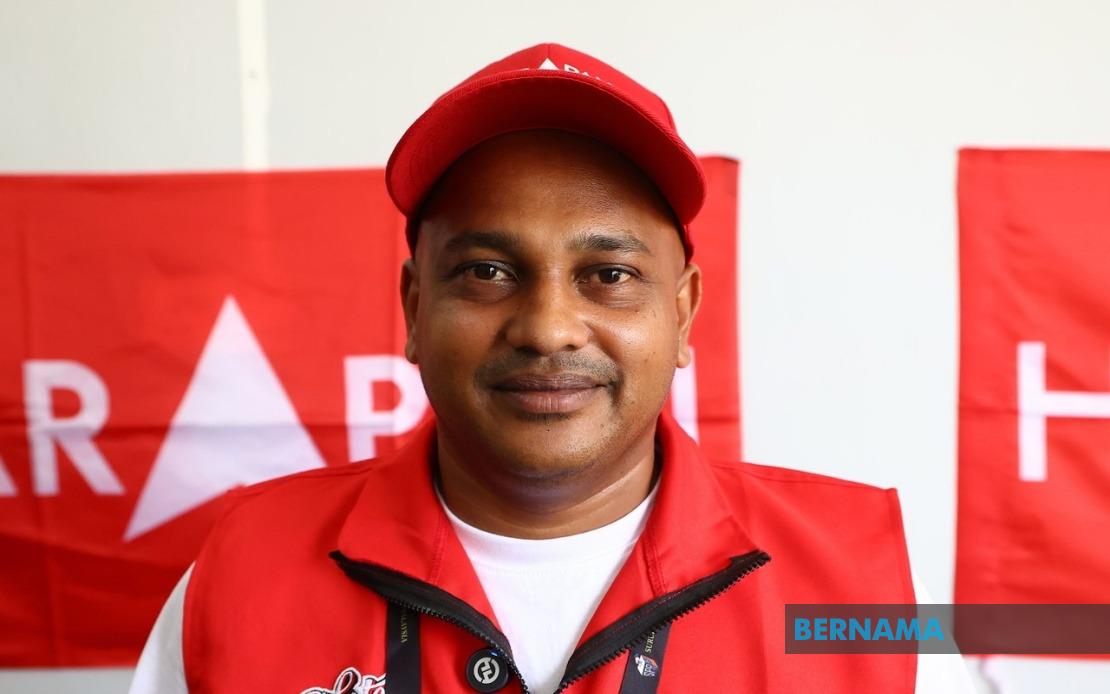
Pakatan Harapan's Guna Balakrishnan has outlined a focused four-point agenda for the Layang-Layang state constituency in Johor, centring on tangible infrastructure improvements and community safety measures that residents have repeatedly flagged during his campaign. Speaking at the PH operations centre in Kluang ahead of the July 11 election, the candidate committed to delivering concrete results within his first 100 days should voters elect him as their state representative, signalling an emphasis on early, measurable progress rather than long-term planning.
Improving street lighting emerges as the most immediate challenge Guna intends to address, reflecting widespread concerns about safety and accessibility in the constituency. His initial target is modest but realistic: resolving between 50 and 60 per cent of reported street lighting complaints within the opening phase of his tenure. This approach suggests Guna recognises the scale of infrastructure deficits while seeking to avoid overcommitting resources he may struggle to deliver, a tactical distinction that distinguishes his pledges from broader campaign rhetoric. The emphasis on lighting also underscores a practical concern that resonates across rural and semi-rural Malaysian communities, where inadequate illumination directly impacts residents' quality of life and sense of security.
Telecommunications and internet connectivity represent the second pillar of Guna's platform, addressing a challenge that has become increasingly critical for rural constituencies seeking parity with urban centres. Guna expressed confidence that this particular issue can be resolved within the 100-day window, citing that essential infrastructure such as feeders already exists in many areas. The bottleneck, he explained, lies in installing additional transmitters to extend coverage into underserved zones. This diagnosis indicates either recent infrastructure investment by Malaysian telecommunications companies or gaps in the final-mile connectivity that plague many regional areas. For Malaysian voters, particularly in Johor's agricultural communities, improved digital access carries implications for economic participation, educational opportunities, and integration into the broader digital economy.
Wildlife encroachment has emerged as an unexpected priority, reflecting the intersection of agricultural livelihoods and environmental pressures in Layang-Layang. The constituency's residents have complained about wild animals affecting their properties and activities, a concern that speaks to broader pressures as human settlement and farming expand into previously forested regions. Addressing this issue demands coordination between state authorities, agricultural departments, and potentially federal wildlife agencies, making it a complex pledge requiring genuine administrative competence. The prevalence of such complaints suggests either insufficient existing protocols for managing human-wildlife conflict or inadequate response mechanisms when incidents occur.
Oil palm fruit theft, meanwhile, points to economic vulnerability within the constituency's agricultural sector. Large-scale and organised theft of harvested palm fruit represents a significant loss for smallholders and estate workers, draining income from those dependent on this commodity for their livelihood. Guna's inclusion of this issue in his priority list indicates that organised crime affecting agricultural workers has reached sufficient scale to merit electoral attention. Malaysian authorities typically address agricultural theft through enhanced policing and community-based prevention schemes, though effective solutions often require buy-in from multiple government agencies and private plantation operators.
Beyond his immediate 100-day agenda, Guna's broader manifesto for Layang-Layang encompasses longer-term development initiatives reflecting wider policy ambitions. Flood mitigation takes prominence, a persistent concern across Johor given the state's topography and monsoon patterns. Road infrastructure upgrades complement the street lighting initiative, suggesting a comprehensive approach to improving the constituency's physical connectivity and accessibility. These projects align with regional development priorities that Malaysian state governments typically pursue across multiple electoral cycles.
Guna's manifesto also addresses human capital development through targeted support for women's entrepreneurship, a dimension that reflects evolving policy awareness regarding women's economic participation. Technical and Vocational Education and Training expansion for youths represents recognition that not all residents pursue university education, and that skills-based pathways remain essential for employment and economic mobility in Malaysia. Senior citizen welfare initiatives, including the proposed activity centre, address demographic ageing in the constituency while providing social infrastructure that benefits a growing elderly population.
The Layang-Layang state constituency presents a competitive battleground with 25,181 registered voters distributed across a three-way contest. Guna faces Chua Jian Boon, representing Barisan Nasional, and the incumbent Abd Mutalip Abd Rahim of Perikatan Nasional. This triangular configuration reflects Malaysia's fragmented political landscape, where coalition politics and incumbent advantage remain powerful factors determining electoral outcomes. The presence of an incumbent from PN suggests that the previous administration held this seat, creating a challenge for both PH and BN to persuade voters to shift allegiances.
The timing of Guna's manifesto rollout, coinciding with the July 11 polling date, follows the schedule for early voting set for July 7. This compressed campaign window leaves limited time for extensive grassroots engagement, elevating the importance of Guna's direct interactions with residents during his campaign. The specificity of his four immediate priorities suggests campaign strategy aimed at differentiating himself from opponents by offering concrete, achievable commitments rather than aspirational policy rhetoric.
For Malaysian voters assessing electoral choices, Guna's platform illustrates how regional constituencies frame development priorities around tangible service delivery rather than national-level policy debates. Layang-Layang residents' emphasis on street lighting, telecommunications, wildlife management, and agricultural security reflects the lived concerns of a rural constituency where basic infrastructure gaps and security challenges remain pressing issues. Whether Guna's commitment to delivering within 100 days proves achievable will ultimately depend on his administrative effectiveness and ability to coordinate across government departments, factors that voters cannot fully assess during the campaign phase.
The Johor state election represents a significant test of voter sentiment following recent political realignments in the state and at the federal level. Guna's Pakatan Harapan candidacy reflects the coalition's ongoing efforts to contest state-level races and rebuild electoral support following the coalition's loss of federal power in 2020. Early voting commencing July 7 allows working voters and those with mobility constraints greater flexibility in exercising their franchise, potentially broadening the electorate's composition beyond those able to vote on the main polling date.

