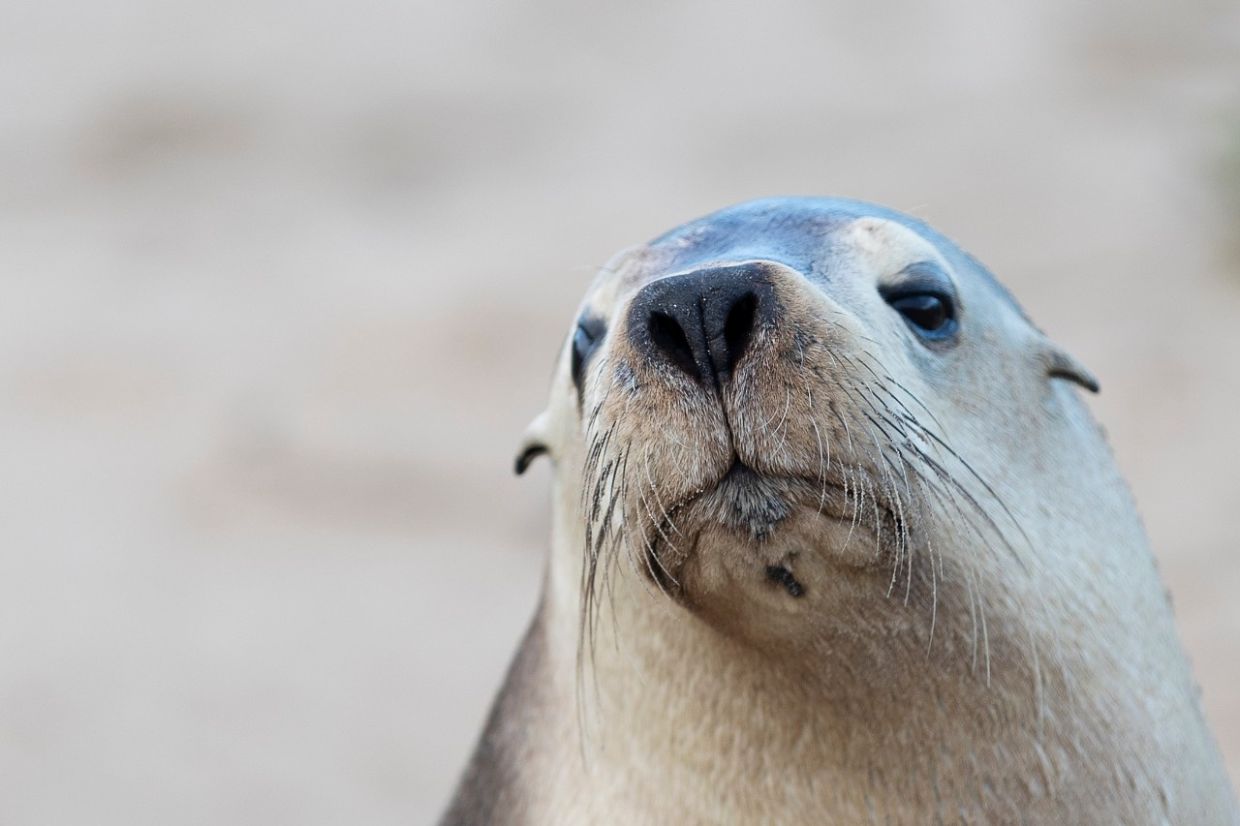
A surging outbreak of H5N1 avian influenza across South Australia has triggered alarms among wildlife experts who fear the highly pathogenic strain will inevitably transmit to one of the world's rarest marine mammals—the Australian sea lion. The discovery of suspected bird flu cases in seagulls along the state's south-east coast, combined with confirmed infections on Kangaroo Island, has created a critical situation for conservation authorities attempting to shield vulnerable animal populations from what could become a catastrophic epidemic.
The scale of the current outbreak reveals the speed at which the virus is spreading throughout South Australia. Authorities have identified 21 suspected cases alongside 19 confirmed infections of the dangerous strain, representing a dramatic escalation since the mainland detection in June. The situation intensified sharply in recent days, with 33 cases reported since Monday alone. These figures underscore the challenges facing biosecurity officials who are struggling to contain transmission across multiple locations. Meanwhile, the rest of Australia has recorded 14 confirmed cases as of late July, indicating that while South Australia remains the epicentre, the virus continues circulating among bird populations elsewhere.
Seal Bay on Kangaroo Island represents a particular flashpoint for conservation concerns. This relatively small geographic location hosts approximately five percent of the world's remaining population of Australian sea lions, making it internationally significant for the species' long-term survival. The detection of confirmed H5N1 cases at this precise location has transformed theoretical concerns into an imminent practical threat. Wildlife officials moved quickly to suspend beach tours to the site, recognising that human activity could inadvertently accelerate viral transmission to the resident marine mammal colony.
Wayne Boardman, a wildlife veterinarian from the University of Adelaide, has become a prominent voice warning of the inevitable consequences should the virus establish itself among sea lion populations. His assessment, delivered to the Australian Broadcasting Corporation, carries weight given historical precedent from South American incidents. The veterinarian's stark warning—that transmission from birds to sea lions is "almost certainly" going to occur—reflects not pessimism but scientific analysis based on documented epidemiological patterns observed in comparable marine ecosystems.
The South American precedent provides chilling context for understanding what could unfold in Australian waters. In 2022, H5N1 swept through sea lion populations across South America with devastating consequences, killing approximately 30,000 animals within a six-month window. The scale of this mortality event demonstrated the vulnerability of marine mammals to this particular viral strain and the speed at which outbreaks can ravage populations lacking immunity. More recently, southern elephant seal pups on Heard Island in the Southern Ocean suffered similarly catastrophic losses, with an estimated 13,359 deaths recorded between August 2025 and January 2026, further evidencing the strain's lethal potential for Antarctic and sub-Antarctic marine fauna.
These precedents carry profound implications for Australian conservation efforts. Unlike terrestrial wildlife management where quarantine and isolation become theoretically possible, controlling viral spread through marine populations presents extraordinary logistical and ecological challenges. Sea lions migrate across considerable ocean distances, and their social behaviour—congregating at breeding sites and hauling out on shared coastlines—creates ideal conditions for rapid viral dissemination. Once established in a sea lion colony, the virus would likely spread with minimal natural constraints, potentially decimating a population already stressed by other environmental pressures.
The Australian government has acknowledged the developing crisis, with Minister for Agriculture, Fisheries and Forestry Julie Collins emphasising continued coordination with scientific experts to arrest the outbreak's progression. Her Friday briefing provided reassurance that the virus has not infiltrated commercial agricultural or poultry systems, maintaining crucial protections for the nation's food security. Additionally, Collins noted that the direct threat to human health remains limited, a distinction that separates current concerns from pandemic-level scenarios but does not diminish the ecological emergency developing for marine wildlife.
For Malaysian and Southeast Asian observers, this situation carries broader regional significance. Avian influenza surveillance across the Indo-Pacific reveals that H5N1 persists as a persistent threat capable of rapid geographic spread. Australia's experience managing the current outbreak offers instructive lessons for regional biosecurity frameworks. The virus's appearance in wild bird populations rather than confined agricultural settings suggests that natural migration routes and ecological networks can facilitate transboundary transmission, a reality that transcends national borders and demands cooperative regional responses.
The temporary suspension of Seal Bay tourist access represents a pragmatic but ultimately limited defensive measure. While protecting the site from potential human-mediated transmission routes, it cannot prevent the virus from reaching sea lions through natural bird-to-mammal contact pathways. Wildlife authorities face the uncomfortable reality that once the virus breaches the sea lion population at Seal Bay, options for containment become severely constrained. Vaccination programs for marine mammals remain experimental and logistically complex, making prevention the only realistic strategy for protecting the endangered population.
The broader conservation implications extend beyond the immediate crisis. The Australian sea lion already faces population pressures from marine ecosystem changes, fisheries impacts, and climate-related stressors. An H5N1 outbreak striking during a moment of ecological vulnerability could inflict damage from which the species struggles to recover for decades. Conservation geneticists recognise that population bottlenecks create lasting vulnerability, and a catastrophic mortality event would compress decades of recovery work into a single devastating season.
As South Australian authorities continue monitoring the outbreak's trajectory, the racing clock becomes increasingly apparent. Each day without transmission to marine mammals provides a narrow window for researchers to understand viral behaviour in local seabird populations and refine protective measures. Wildlife veterinarians are documenting infection patterns, studying environmental persistence, and attempting to predict high-risk transmission scenarios. This intensive surveillance effort represents one of the few proactive tools available before the outbreak moves beyond avian hosts.
The situation ultimately reflects the precarious balance characterising modern wildlife conservation. Endangered species face multiplying threats from habitat loss, climate change, and now emerging infectious diseases that recognise no conservation reserve boundaries. The H5N1 outbreak in South Australia demonstrates how rapidly ecological crises can materialise and how limited the tools become once a dangerous pathogen begins circulating through vulnerable wildlife populations. As officials continue containment efforts, the international scientific community watches closely, understanding that lessons learned from Australia's response will prove instructive for protecting similarly vulnerable marine mammal populations throughout the world's oceans.

