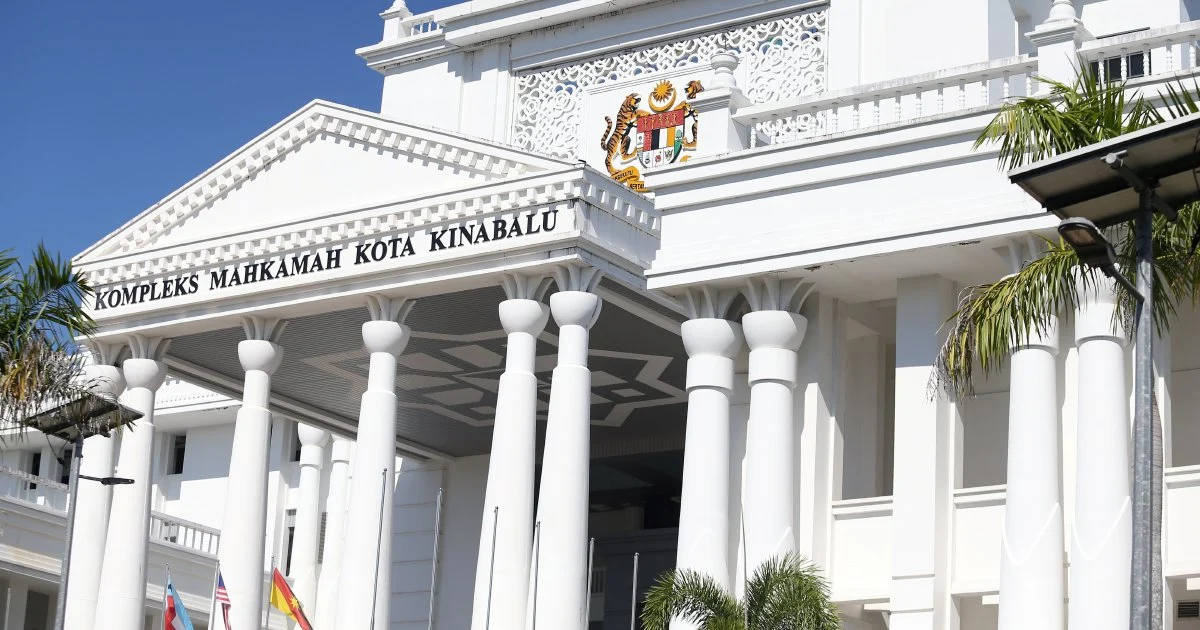
A handwriting expert presenting evidence to the Coroner's Court in Kota Kinabalu has reinforced her earlier analysis, maintaining that certain passages recorded in the personal journals of the late Zara Qairina Mahathir were not authored in her handwriting. The expert's testimony represents a significant development in the court proceedings, introducing questions about the authenticity and origin of specific documentary evidence.
The findings carry particular weight in Malaysia's high-profile judicial system, where documentary evidence frequently forms a cornerstone of coroner investigations. Handwriting analysis, while subject to scholarly debate within forensic disciplines globally, remains admissible in Malaysian courts as supporting evidence. The expert's willingness to reaffirm her conclusions despite potential pressure or scrutiny underscores the importance placed on this technical assessment within the broader investigation.
Zara Qairina Mahathir's death and the circumstances surrounding it have attracted sustained public attention in Malaysia, given her family's prominence in the nation's political landscape. Her father, Mahathir Mohamad, served twice as Prime Minister and remains a significant figure in Malaysian politics. The coroner's inquiry represents an official attempt to establish clarity regarding the events that led to her death, with documentary evidence playing a role in reconstructing her final period.
Journal entries can provide crucial insights into an individual's state of mind, relationships, and activities preceding death, making their authenticity paramount to any investigation. When questions arise about whether all recorded entries genuinely originated from the deceased, it potentially undermines the evidentiary value of the entire document. The expert's analysis suggests that multiple hands may have contributed to the journals, a finding that demands careful evaluation by the court.
The implications of this testimony extend beyond mere technical assessment. If portions of the journals were indeed written by someone other than Zara Qairina Mahathir, investigating authorities must determine who else had access to these documents and what motivated them to contribute entries. This line of inquiry can illuminate the social circles surrounding the deceased and reveal information previously unknown to investigators.
Handwriting expert testimony requires meticulous examination of multiple factors, including pen pressure, letter formation, spacing, slant, and individual idiosyncrasies unique to each person's writing style. Experts typically compare questioned documents against known exemplars of the person's authentic handwriting to identify consistencies or divergences. The complexity of this work means that expert conclusions occasionally generate controversy, yet Malaysian courts have consistently acknowledged the methodology's relevance when properly conducted.
The coroner's inquiry process in Malaysia aims to determine the cause of death and establish whether any contributing circumstances warrant further investigation by other agencies. Unlike criminal trials requiring proof beyond reasonable doubt, coroner's courts operate under a lower evidentiary standard, allowing consideration of technical evidence and expert opinion that assists in forming conclusions. The handwriting expert's testimony thus contributes to a broader factual foundation the coroner will eventually use.
Public discourse surrounding investigations involving prominent families often intensifies when documentary evidence is questioned. Malaysian media and civil society have maintained interest in the proceedings, recognising that coroner's inquiries serve an important public function in establishing accountability and transparency. The expert's reaffirmation of her findings may either strengthen confidence in her methodology or prompt questions about whether alternative explanations warrant consideration.
For Southeast Asian readers accustomed to high-profile investigations involving political families, this case reflects common tensions between private grief and public scrutiny. Malaysian legal proceedings of this nature must balance respect for the deceased and grieving families against the legitimate public interest in understanding what occurred. The handwriting analysis, despite its technical nature, sits at the intersection of these competing considerations.
The coroner will ultimately synthesise all evidence presented during proceedings, including the handwriting expert's findings, to form conclusions. Whether the presence of non-Zara handwriting in the journals becomes the focal point of investigation or serves as supporting detail remains to be determined. The court's handling of this evidence may also establish precedent for how future Malaysian inquiries treat documentary authentication questions.
The testimony underscores the evolving role of forensic expertise within Malaysia's judicial system and the continued reliance on technical specialists to clarify ambiguities in physical evidence. As the coroner's inquiry progresses toward conclusion, the accumulation of such testimonies will collectively inform the final determination regarding the circumstances of Zara Qairina Mahathir's death and whether any matters require referral to investigative or prosecutorial authorities for further examination.