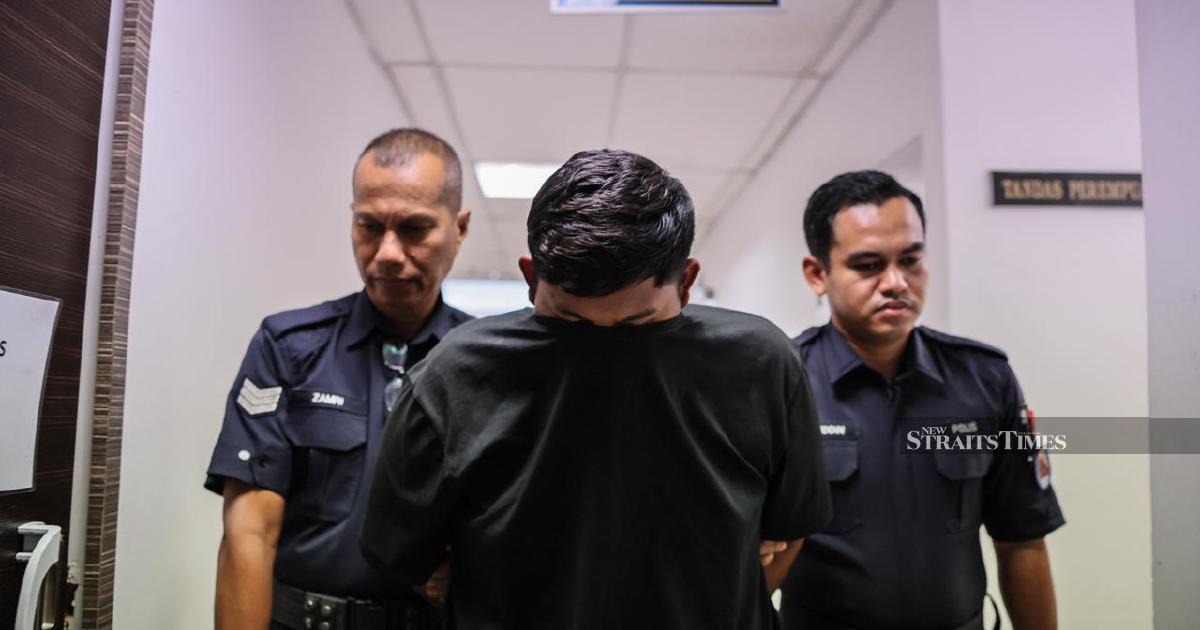
A hardware store employee aged 25 appeared before the Sessions Court in Kuala Terengganu this week to face grave charges involving the sexual abuse of a family member. The man, whose identity is protected by reporting restrictions, pleaded not guilty to allegations that he raped and sexually assaulted his 16-year-old biological sister. The charges represent a serious breach of trust within a household setting, raising concerns about vulnerability and safeguarding within family units.
The case marks another instance of familial sexual abuse coming before Malaysian courts, a category of offence that criminologists and child welfare advocates have increasingly documented across the country. Such matters typically involve significant power imbalances and control dynamics, particularly where an older individual targets a younger family member still in their teenage years. The age difference of nine years between the accused and the alleged victim may have contributed to a relationship structure susceptible to exploitation.
Sexual assault within families remains a sensitive but persistent challenge for Malaysian law enforcement and judicial systems. Unlike stranger crimes, familial abuse often goes unreported for extended periods due to shame, fear of family disintegration, or concern about economic consequences when a household breadwinner faces prosecution. The willingness of the victim or her guardians to pursue charges through the formal court system suggests a determination to seek accountability and justice despite these considerable social pressures.
The Sessions Court is the appropriate venue for these charges, as it carries jurisdiction to hear serious criminal matters falling short of offences designated for the High Court. Sessions Court judges in Terengganu and across Malaysia handle a substantial caseload involving sexual violence, domestic abuse, and crimes against vulnerable persons. The court process will likely unfold over several months, involving witness testimony, forensic evidence where applicable, and detailed examination of the circumstances surrounding the alleged offences.
For the alleged victim, navigating the criminal justice system as a teenage complainant involves particular challenges. Witnesses in sexual abuse cases often require special protections and support services, including screens to shield them from direct sight of the accused, the availability of court counsellors, and consideration for their psychological well-being throughout testimony. Many Malaysian courts now employ trauma-informed approaches when handling evidence from young victims, recognising the additional stress of public court proceedings.
The accused's not guilty plea indicates he disputes either the events as described or his responsibility for them. His legal representation will have the opportunity to present contrary evidence and cross-examine witnesses. The burden of proof remains on the prosecution to establish guilt beyond reasonable doubt, a stringent standard that protects the rights of those accused whilst ensuring that convictions rest on solid evidentiary foundations.
This case arrives amid growing public discourse in Malaysia regarding sexual violence prevention and victim support mechanisms. Civil society organisations and government agencies have expanded awareness campaigns addressing the reality that abuse frequently originates within trusted relationships rather than from strangers. Educational institutions and community groups increasingly provide information to young people about recognising inappropriate conduct and accessing help through formal and informal reporting channels.
The outcome of this case may also have implications for sentencing guidelines and judicial practice regarding family-based sexual offences in Malaysia. Judges must balance proportionate punishment with consideration of the particular harm caused when perpetrators abuse familial relationships and the trust inherent to family structures. Previous similar cases have resulted in custodial sentences, though lengths vary according to circumstances and aggravating factors.
Support services for survivors of sexual abuse remain variable across Malaysian states. Terengganu, like other states in the east coast region, has access to government-provided victim assistance programmes and non-governmental organisations offering counselling and practical support. The alleged victim's access to such services may prove critical in her recovery and ongoing well-being as court proceedings progress.
The normalisation of reporting such crimes through official channels represents progress in Malaysian society's approach to addressing violence. Historically, familial abuse was often concealed behind closed doors, with victims bearing trauma in silence. Contemporary legal frameworks and increasing victim support services signal a shift toward accountability and protection, though significant gaps remain in victim services across rural and urban areas.
Court proceedings will now determine the facts of the case through examination of evidence and testimony. The Sessions Court judge will evaluate the credibility of witnesses, the strength of evidence presented, and whether the prosecution has met the required legal standard. The defence will present its own evidence and arguments challenging the charges. This adversarial process, whilst lengthy and potentially distressing for involved parties, remains the mechanism through which Malaysian law seeks to ensure both justice for victims and fair treatment for those accused of serious offences.

