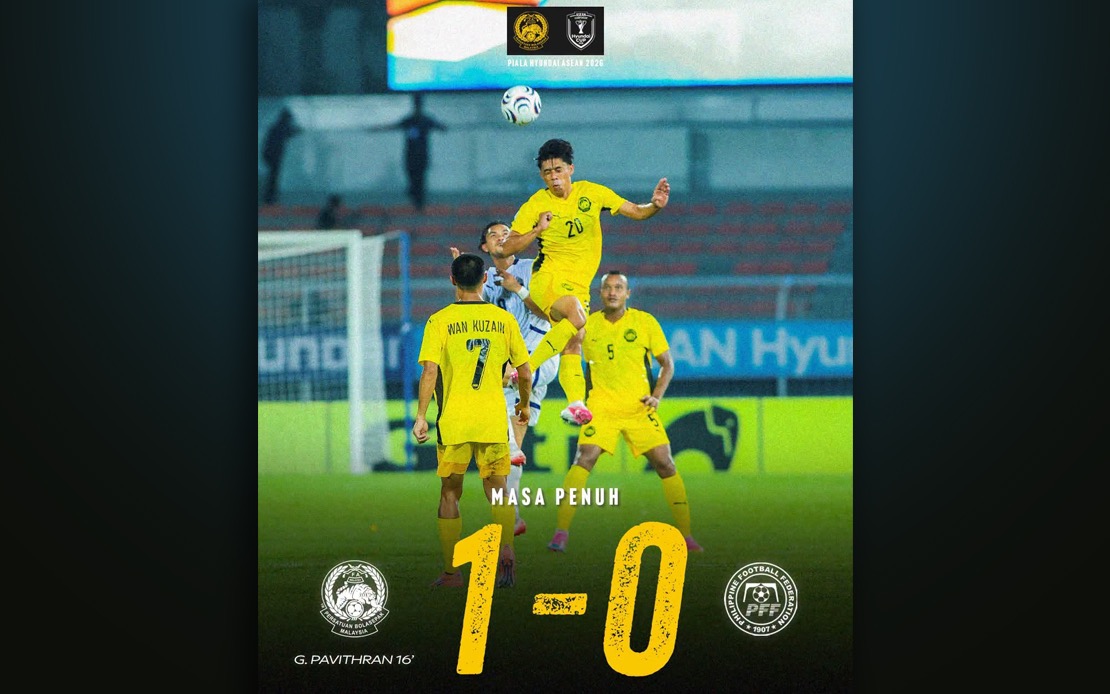
Malaysia's national football team has progressed to the semi-finals of the 2026 ASEAN Cup following a decisive 1-0 victory over the Philippines at Kuala Lumpur Football Stadium in Cheras on August 8. The triumph secures the Harimau Malaya a berth in the knockout stage and sets up a high-stakes encounter with defending champions Vietnam in the coming weeks. The result capped off Group B proceedings for Malaysia, who finished the preliminary round with nine points collected across their matches.
Interim head coach Tan Cheng Hoe orchestrated a focused performance from his squad, with the team entering the contest knowing that maximum points would guarantee qualification. The home crowd, comprising passionate supporters dressed in the national colours of black and yellow, created an electric atmosphere at the 18,000-capacity venue, providing crucial backing that appeared to energise the Malaysian players throughout the encounter.
The breakthrough came early in the first half when midfielder Wan Kuzain Wan Ahmad Kamal delivered a precisely weighted cross into the Philippine penalty area in the 16th minute. Defender G. Pavithran rose above his markers to direct a powerful header past the Philippines goalkeeper, opening the scoring for Malaysia and setting the tone for the remainder of the first period. The goal appeared to settle Malaysian nerves and allowed the home side to dominate possession.
While the Philippines, managed by Carles Cuadrat, responded with increased attacking intent as the first half progressed, they struggled to create clear-cut opportunities against a well-organised Malaysian defensive unit. The visitors pressed for an equaliser but found little space in which to operate, and Malaysia successfully maintained their lead heading into the interval with their defensive shape intact.
The second half witnessed the Philippines emerge with greater urgency and ambition as they sought to draw level in the match. However, the Malaysian defence, marshalled by captain Paulo Josue, proved resolute and disciplined in repelling the attacking overtures from their opponents. The defensive solidity displayed by the Harimau Malaya prevented the Philippines from breaching their goal-line despite sustained pressure.
Malaysia came close to extending their advantage in the 85th minute when Pavithran latched onto a low cross from a teammate deep within the Philippine penalty area. However, his attempt to finish the move fell just short as Philippines defender Jaime Rosquillo managed to make a crucial intervention at the critical moment, denying Malaysia a second goal that would have sealed the contest beyond doubt.
The single-goal margin proved sufficient for Malaysia to secure three vital points and confirmation of their advancement. Thailand topped Group B with 12 points after defeating Myanmar 2-0 in their final preliminary match, but Malaysia's nine-point haul was sufficient to claim the runner-up position and automatic qualification for the semi-finals alongside the group winners.
The knock-out stage will present a significantly more formidable challenge for the Harimau Malaya, as they have been drawn against Vietnam, the tournament's defending champions who topped Group A. The semi-final tie will be contested over two legs, with matches scheduled for August 16 and August 19, giving Malaysia's coaching staff and players limited time to prepare for what promises to be an intensely competitive encounter against one of Southeast Asia's strongest football nations.
Vietnam's pedigree as defending champions adds considerable prestige to the fixture, and Malaysian football followers will be acutely aware that facing the tournament favourites represents a genuine test of their team's credentials. The two-legged format offers both teams an opportunity to accumulate advantages across the matches, and Malaysia's home advantage in one leg could prove decisive. For Tan Cheng Hoe's interim management, navigating this semi-final successfully would represent a significant achievement and could have implications for the permanent coaching position.
The progression to the semi-finals also reflects positively on the depth of talent currently available within Malaysian football. The display against the Philippines showcased the potential within the squad when properly organised and motivated, suggesting that the team possesses sufficient quality to compete at the continental level. Supporters at the Kuala Lumpur Football Stadium witnessed encouraging signs, particularly in the defensive stability and clinical finishing that have been occasional weaknesses for Malaysian teams in previous tournaments.
Looking ahead to the Vietnamese challenge, Malaysia will need to harness the momentum from their Group B campaign while recognising the step up in opposition quality. The two-week preparation period before the first leg will be crucial for the coaching staff to address any tactical vulnerabilities and ensure the team arrives at the semi-final ready to compete at their highest level.

