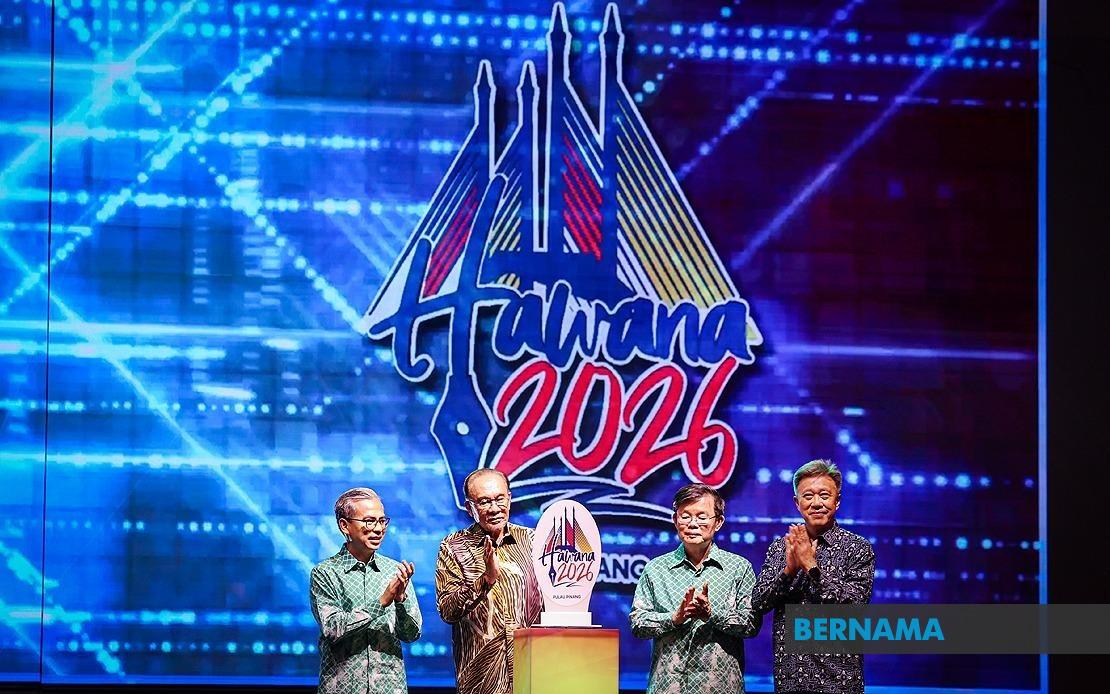
Malaysia's media industry marked a significant milestone as the three-day National Journalists' Day (HAWANA) 2026 drew to a close at the PICCA@Arena Butterworth Convention Centre in Penang this week. The event, held under the banner of 'Media Integrity Strengthens Credibility', assembled nearly 1,000 journalists and media professionals from Malaysia and across Southeast Asia, including delegates from Indonesia, Cambodia and Timor-Leste. The gathering underscored regional commitment to strengthening journalism standards at a critical moment when the profession faces mounting pressures from digitalisation, misinformation and evolving audience expectations.
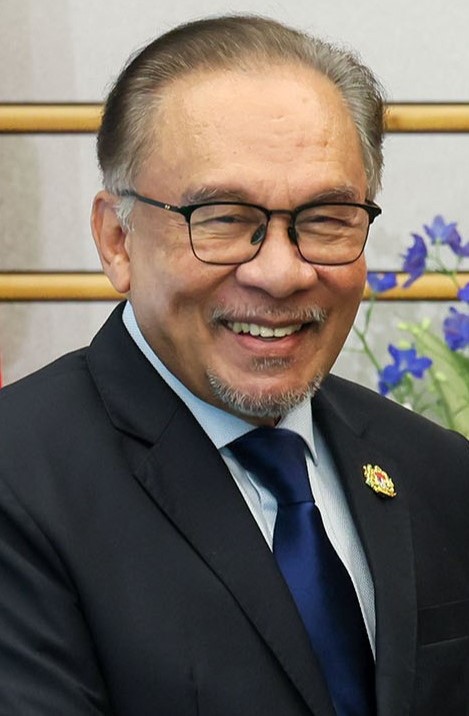
Prime Minister Datuk Seri Anwar Ibrahim, who officially opened the main celebration on Saturday, signalled government backing for the industry through concrete financial commitments. He announced an additional RM1 million earmarked for the Tabung Kasih@HAWANA welfare fund, which provides emergency assistance to media practitioners facing hardship. Simultaneously, he reaffirmed continued support for the Media Innovation Fund, designed to help local news organisations transition to digital platforms and develop sustainable business models. These measures reflect recognition that media sustainability remains intertwined with journalistic quality and public trust.
The welfare fund has emerged as a crucial safety net within Malaysia's media ecosystem. Since its establishment in 2023, Tabung Kasih@HAWANA has distributed RM2.26 million to 773 media practitioners nationwide, addressing situations ranging from medical emergencies to job transitions. During the Penang event, contributions were presented to former Media Prima executive producer Noraini @ Talhah Mat Tahir, Makkal Osai journalist Guanalan Sengalaney and former Kwong Wah Yit Poh freelancer Ch'ng Lay Wah. The scheme's expansion reflects broader industry anxiety about employment stability as traditional media continues restructuring amid competition from digital platforms and changing advertising patterns.
Corporate support for the fund expanded when Communications Minister Datuk Fahmi Fadzil announced Telekom Malaysia as the latest strategic partner, contributing RM500,000. This private sector engagement demonstrates business community recognition that media health serves broader national interests. The accumulation of contributions from multiple sources suggests emerging consensus that individual organisations and the government alone cannot sustain welfare systems for an industry employing tens of thousands across multiple platforms and employment arrangements.
Regional media cooperation experienced tangible advancement through institutional frameworks. Bernama, Malaysia's national news agency, formalised a memorandum of understanding with Timor-Leste's Agência Noticiosa de Timor-Leste (TATOLI), with the exchange witnessed by both nations' communication officials. Such bilateral arrangements among ASEAN news agencies strengthen cross-border newsgathering capabilities, facilitate training exchanges and create platforms for addressing shared challenges including press freedom, media literacy and combating disinformation. For smaller ASEAN nations like Timor-Leste, partnerships with established agencies like Bernama provide technical expertise and distribution networks unavailable domestically.
The event paid tribute to individuals whose careers shaped Malaysia's broadcast journalism landscape. Datuk Suhaimi Sulaiman, former Broadcasting director-general, received the HAWANA Award for sustained contributions to broadcasting excellence. A more poignant moment came with the posthumous presentation of the Special HAWANA Award 2026 to Azlan Idris, the former head of Bernama Radio who died in January at age 57. His widow, Wan Syahrina Wan Abdul Rahman, accepted the award as images of Azlan's career appeared on the main screen. Azlan's legacy encompasses not merely his 14 years leading Bernama Radio since its 2007 launch, but also his earlier roles at TV3, NTV7 and Channel 9, plus his instrumental organising role in four HAWANA editions.
Beyond formal ceremonies, HAWANA 2026 functioned as working conference addressing industry challenges. The Malaysian Media Retreat 2.0, organised by the Malaysian Federation of Media Clubs, the Malaysian Press Institute's town hall examining whether journalists will remain economically viable by 2035, and dialogue sessions with the Communications Minister created spaces for frank discussion about regulatory environment, digital economics and professional standards. These sessions acknowledged that media integrity depends not only on individual journalist ethics but on institutional support, business models that reward quality journalism, and regulatory frameworks enabling rather than constraining legitimate reporting.
Penang's role as host city extended beyond venue provision. Penang Governor Tun Ramli Ngah Talib hosted a dinner honouring media practitioners from across Malaysia and ASEAN, with nearly 350 guests including senior executives, veteran journalists and state officials. For Penang, hosting demonstrated logistical and infrastructural capabilities while generating economic benefits through accommodation, catering and transport. The event highlighted how major media gatherings support tourism and services sectors while raising a state's profile as capable venue for significant national and regional assemblies.
Cultural elements reinforced media's broader social role. TV3 successfully defended its title in the HAWANA-Dewan Bahasa dan Pustaka Pantun Festival 2026, with Bernama finishing runner-up. The inclusion of a cultural competition alongside professional forums recognised that journalism encompasses not merely news dissemination but cultural stewardship, language preservation and national identity formation. The accompanying RIUH Pi HAWANA Carnival, which ran concurrently with the summit, featured performances from local musical acts including Exists, Bunkface and Budak Nakal Hujung Simpang, alongside 24 creative brands and 20 food vendors. This cultural programming acknowledged younger audiences' expectations that media events integrate entertainment, networking and community celebration alongside professional content.
Bernama's role as lead organiser demonstrated institutional capacity in executing large-scale, complex events. The national news agency managed nearly 1,000 participants, international delegates, ministerial protocols and multiple concurrent programmes using primarily in-house expertise. Notably, HAWANA 2026 featured the first live television broadcast in the event's history, showcasing technical advancement and extended reach. For Malaysian readers and media professionals, this demonstrated that national institutions can deliver world-class events without requiring extensive outsourcing, raising questions about similar capacities within other government agencies and state enterprises.
Looking forward, HAWANA 2026 illustrated media's evolving role within Malaysia's development narrative. Government financial commitments to welfare funds and innovation budgets suggest recognition that media sustainability requires deliberate policy support rather than market forces alone. Regional cooperation frameworks indicate ASEAN-wide understanding that shared challenges including misinformation, platform monopolies and audience fragmentation demand coordinated responses. For Malaysian journalists confronting workplace precarity, digital disruption and political pressures, HAWANA provided both recognition of their significance and material support systems, even as long-term industry viability remains contested.