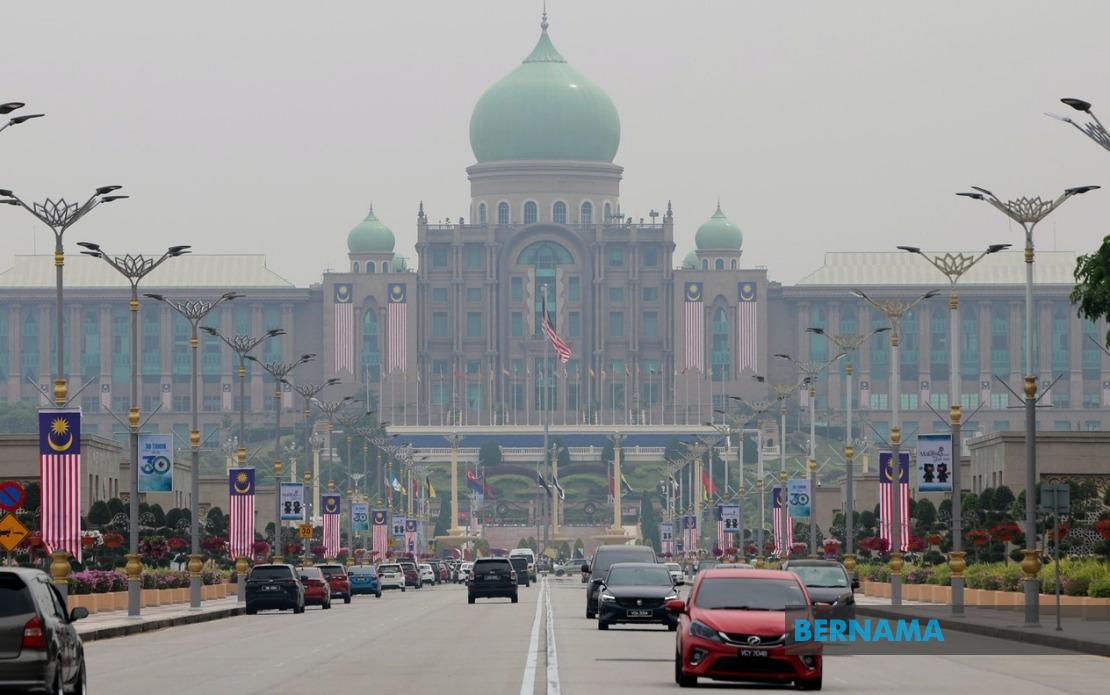
Prime Minister Datuk Seri Anwar Ibrahim is expected to place the escalating haze problem at the forefront of discussions when he meets Sultan Hassanal Bolkiah in Brunei tomorrow, according to Malaysia's High Commissioner to the sultanate. The transboundary air pollution issue, which has cast a shadow across several areas in Southeast Asia, will feature prominently among bilateral matters during the 27th Malaysia-Brunei Annual Leaders' Consultation (ALC-27), underscoring the environmental challenges both nations currently face.
Datuk Mohd Aini Atan, addressing journalists in Bandar Seri Begawan, emphasised that air quality deterioration represents a pressing concern for both Malaysia and Brunei. The timing of the high-level consultation provides a critical platform for regional dialogue on environmental management and cross-border cooperation, particularly given that the problem directly impacts the wellbeing of citizens across the Brunei-Malaysia border.
The haze situation has reached alarming proportions in East Malaysia, with Sarawak emerging as the most severely affected state. Real-time air quality readings from the Malaysian Air Pollutant Index Management System (APIMS) paint a concerning picture of the environmental crisis unfolding. As of late afternoon on August 20, the Serian district recorded an API measurement of 204, classified as "very unhealthy" and representing a threat to public health. This level indicates that even healthy individuals may experience respiratory discomfort and visible difficulty during physical exertion.
Five additional Sarawakian localities reported dangerous air quality readings during the same period. Kuching, the state capital, registered 195 on the index, while Samarahan posted 182. The divisions of Sri Aman, Sarikei, and Sibu recorded readings of 179, 158, and 152 respectively, all falling within the "unhealthy" category. The geographical spread of poor air quality across the state suggests a systemic problem rather than isolated incidents, likely stemming from transboundary sources such as land clearing and agricultural burning in neighbouring jurisdictions.
The participation of key figures from both Malaysian states most affected by the haze adds significant weight to the diplomatic discussions. Sarawak Premier Tan Sri Abang Johari Tun Openg and Sabah Chief Minister Datuk Seri Hajiji Noor will accompany Anwar to Brunei, ensuring that the perspectives and urgent concerns of East Malaysian leadership directly inform the bilateral dialogue. This institutional arrangement reflects recognition that the problem demands coordinated responses at multiple governance levels.
The Annual Leaders' Consultation series represents the apex of the Malaysia-Brunei bilateral relationship, serving as the primary mechanism through which both nations address their most significant shared interests. The series has become institutionalised as an essential vehicle for strategic dialogue, allowing the highest-ranking political leaders to tackle complex issues spanning economy, security, environmental management, and regional cooperation. By positioning the haze crisis within this framework, Malaysia and Brunei signal mutual commitment to finding solutions through formal diplomatic channels.
The haze phenomenon itself reflects the interconnected nature of environmental challenges in Southeast Asia. Air pollutants do not respect national boundaries, and the meteorological patterns that carry smoke and particulates across the region create dependencies between neighbouring states. Brunei, despite its smaller geographical footprint, remains vulnerable to transboundary air pollution originating from large-scale land development in adjacent areas. This shared vulnerability forms the basis for constructive bilateral engagement on environmental protection and sustainable resource management.
The timing of Anwar's two-day visit underscores the urgency with which both governments view the deteriorating air quality. Rather than relegating environmental concerns to a secondary agenda item, the deliberate inclusion of haze discussions at the highest political level demonstrates recognition that this issue carries immediate implications for public health, economic productivity, and diplomatic relations. Citizens across Sarawak and Brunei who have endured weeks of poor air quality will be observing the outcomes of these high-level consultations.
Ranged against this environmental backdrop, the bilateral consultation will likely explore practical mechanisms for monitoring and controlling sources of transboundary pollution. Both nations possess technical capacity to track air quality patterns and identify pollution origins, and diplomatic engagement provides the opportunity to align these efforts. Discussion may encompass regional coordination with other ASEAN members facing similar challenges, potentially strengthening collective responses to recurrent haze crises that have plagued Southeast Asia for decades.
The inclusion of state-level leaders from Sarawak and Sabah in these discussions also signals a shift toward more inclusive governance frameworks that recognise the particular vulnerabilities of East Malaysia. These states, geographically closer to major pollution sources in Kalimantan, often bear disproportionate impacts from transboundary haze while possessing limited unilateral capacity to address root causes. Federal-level diplomatic engagement combined with state-level perspectives creates potential for more nuanced and comprehensive policy responses.
For Malaysian observers, these consultations reflect the broader foreign policy approach of the Anwar administration, which has emphasised regional cooperation and practical solutions to shared challenges. The positioning of environmental issues alongside traditional bilateral concerns demonstrates that contemporary governance increasingly recognises sustainability and public health as inseparable from national interests and diplomatic relations.

