Malaysia's Youth and Sports Minister Dr Mohammed Taufiq Johari has moved to allay concerns about the impact of regional haze on the country's sporting programme, confirming that national athletes preparing for the Aichi-Nagoya 2026 Asian Games will not face disruptions to their training schedules. The biennial competition, set to run from September 19 to October 3, remains a focal point for Malaysian sports, and the ministry has developed comprehensive protocols to shield preparation efforts while maintaining the integrity of athletes' conditioning programmes.
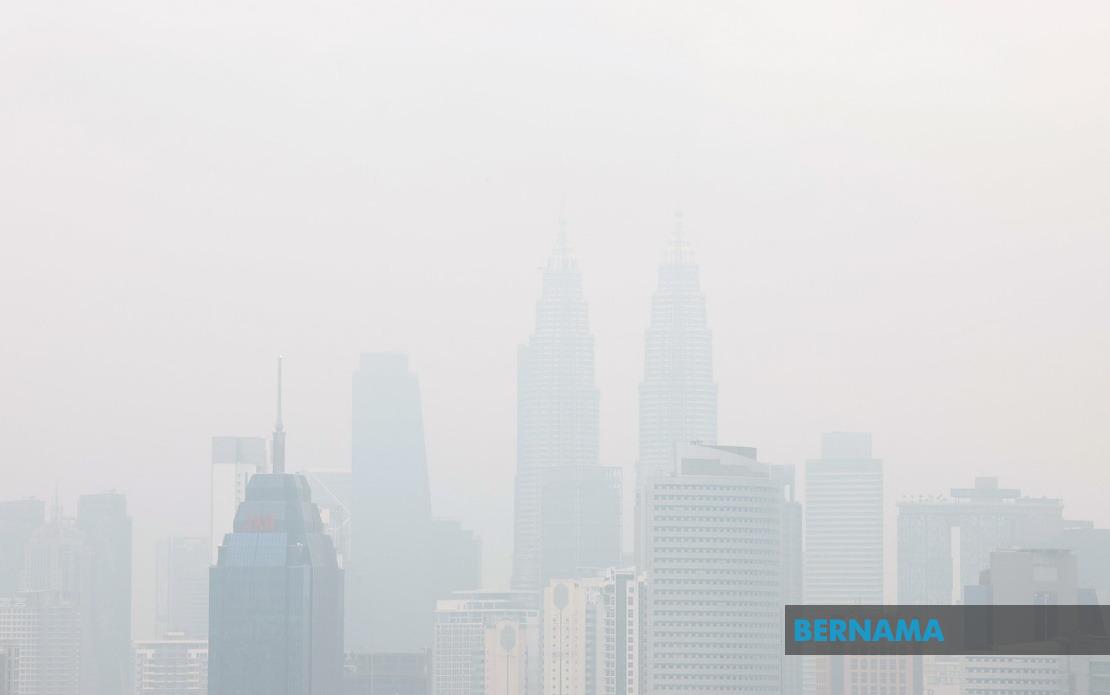
Dr Taufiq's reassurance came during an engagement in Sungai Petani following a Merdeka motorcycle convoy event, where he emphasised the government's commitment to balancing athlete safety with competitive readiness. The mounting haze situation, triggered by transboundary smoke originating from regional sources, has prompted national authorities to convene at the Cabinet level to evaluate its implications for sporting activities and public health. The minister indicated that ongoing atmospheric conditions would be monitored with rigour to inform real-time adjustments to training protocols.
Central to Malaysia's response is a tiered approach that leverages the National Sports Institute (ISN) expertise to calibrate training intensity and venue selection based on air quality readings. Rather than suspending outdoor activities wholesale, which could compromise elite athletes' development cycles, the ministry has opted for targeted modifications that preserve training efficacy while reducing exposure risks. This pragmatic stance reflects growing international best practice in managing environmental disruptions to sporting preparation, particularly relevant in Southeast Asia where seasonal haze events have become increasingly frequent.
The shift towards indoor facilities represents a material recalibration of training schedules across disciplines. Athletes will spend considerably more time in climate-controlled environments such as indoor stadiums, purpose-built halls, and other enclosed venues, allowing continued high-intensity work without the respiratory and performance-degrading effects of poor air quality. This transition, while logistically demanding, has become routine for Malaysian sports programmes given the regularity of transboundary pollution episodes. The diversification of training locations also strengthens overall athlete adaptability, as competition in Aichi-Nagoya will demand performance across varied environmental conditions.
The timing of haze challenges in late August and early September creates particular urgency, as many sports disciplines enter crucial tapering phases in the weeks immediately preceding international competition. Any substantial disruption during this window could materially affect conditioning levels and technical refinement. By maintaining structured preparation through venue flexibility, Malaysia aims to preserve the competitive edge that careful periodisation provides. International competitors similarly face atmospheric constraints, but nations with established indoor training infrastructure may benefit from more seamless transitions.
Dr Taufiq's emphasis on health safeguarding underscores a broader recognition within Malaysian sports administration that athlete welfare extends beyond immediate performance metrics. Prolonged exposure to elevated particulate matter carries documented respiratory and cardiovascular implications, particularly among endurance athletes whose training demands high oxygen intake. Medical protocols accompanying the revised training framework will include individual health monitoring to identify any athletes whose respiratory systems show sensitivity to residual indoor air quality variations or transitional outdoor sessions.
The ministry's decision to consult ISN demonstrates institutional coordination between policy-making and technical sporting expertise. The institute's capacity to model training outcomes under various environmental scenarios enables evidence-based decision-making rather than reactive crisis management. This approach allows communication to athletes and coaching staff grounded in scientific assessment rather than precautionary speculation, maintaining confidence in preparation quality despite external challenges.
Beyond the immediate Asian Games cycle, Malaysia's response to haze-related training disruptions carries implications for the nation's longer-term sporting infrastructure development. Countries experiencing regular transboundary pollution episodes must incorporate climate resilience into sports facility planning, ensuring that elite training environments remain viable year-round. Investment in world-class indoor facilities thus becomes essential strategic infrastructure, particularly for distance runners, swimmers, and other aerobic-dependent sports where outdoor training forms traditional conditioning cornerstones.
The Sungai Petani engagement, which drew approximately 400 participants to the motorcycle convoy event, also reflected Dr Taufiq's broader mandate to maintain public engagement with sports and youth-related initiatives despite environmental challenges. The programme's community-focused dimension, with organised stops to interact with local residents, underscores how government sporting leadership extends beyond elite competition preparation to grassroots engagement. This balancing act between elite programme protection and public participation in sports activities remains central to sustainable sporting development.
Looking forward, the minister's confidence in uninterrupted preparation rests on several assumptions holding firm through September. Should haze intensity escalate beyond threshold levels triggering health advisories, contingency protocols may require further refinement. Weather forecasting indicates potential atmospheric improvement as September progresses, which would provide transition opportunities back towards balanced indoor-outdoor training. For now, Malaysia's sports establishment appears positioned to navigate the pre-competition period effectively, with organisational agility and infrastructure investment offsetting environmental constraints that might otherwise derail Asian Games preparations.

