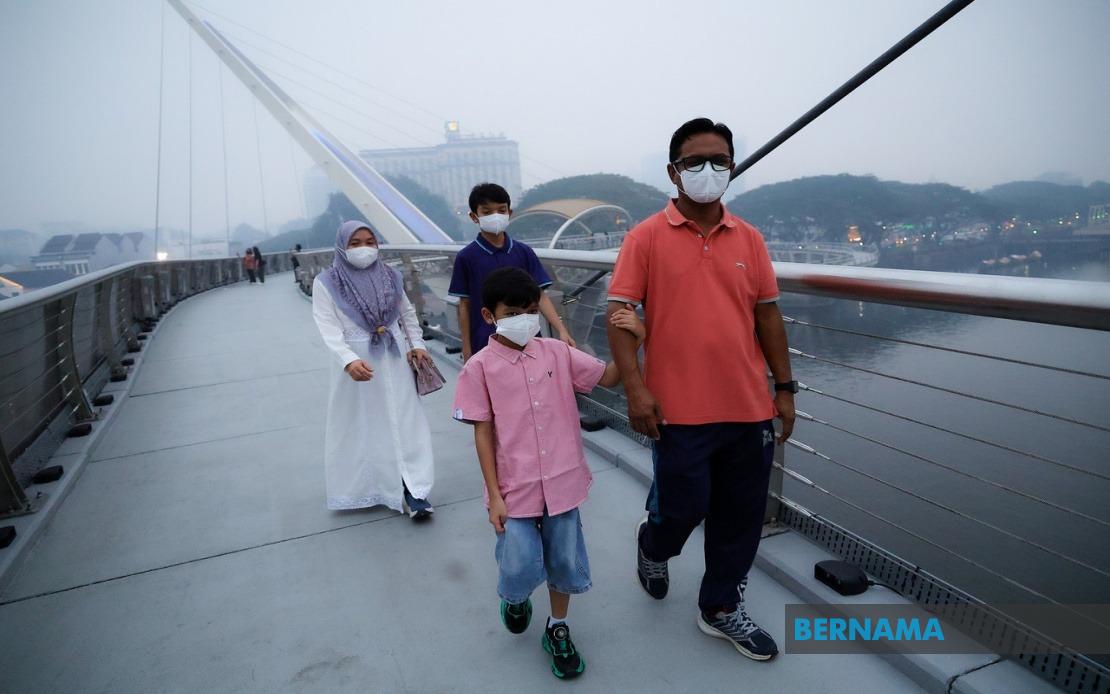
Malaysia's health experts are sounding the alarm about the importance of public vigilance during haze episodes, emphasising that citizens must actively monitor daily Air Pollutant Index readings and implement preventive health measures to safeguard themselves from air pollution-related illnesses. The advisory comes as medical professionals highlight the serious respiratory and systemic health threats posed by seasonal haze, particularly when pollution levels spike above internationally-recognised danger thresholds.
Dr Anas Ahmad Jamhari, a lecturer at Universiti Sultan Zainal Abidin's Faculty of Health Sciences, stressed that individuals should routinely check Air Pollutant Index figures released by the Department of Environment before undertaking any outdoor activities, with heightened caution required once readings climb above 100. His recommendation reflects growing medical consensus that proactive monitoring enables individuals to make informed decisions about their daily routines and minimise unnecessary exposure to hazardous air conditions.
For those who must venture outdoors during poor air quality episodes, proper respiratory protection becomes essential. Dr Anas emphasised that an N95 mask represents the most effective personal protective equipment for extended outdoor work, but only if correctly worn with a tight seal that prevents unfiltered air from bypassing the mask edges. He cautioned that many people inadvertently compromise mask effectiveness through common usage errors including inadequate fit, frequent removal, moisture damage, or wearing masks over facial hair that disrupts the seal integrity. The concern extends to children, whose smaller faces often struggle to achieve proper seal with standard-sized masks, significantly reducing protective efficacy.
Beyond respiratory protection, avoiding vigorous outdoor exertion during haze events represents another critical health strategy. Dr Anas warned that strenuous activities such as jogging, cycling, and competitive sports substantially increase breathing rates, causing individuals to inhale substantially larger air volumes and subsequently expose their respiratory systems to greater concentrations of harmful particles. He expressed concern about continued engagement in outdoor recreation despite official air quality warnings, noting that such behaviour elevates both acute health crises and long-term chronic respiratory complications among affected populations.
Inside homes and vehicles, residents can substantially reduce haze exposure through relatively simple environmental modifications. Keeping doors and windows sealed prevents outside pollutants from infiltrating interior spaces, while simultaneously eliminating indoor pollution sources—including cigarette and vape smoke, incense or candle burning, and high-heat cooking activities—further diminishes respiratory irritation. Vehicle occupants should ensure their air conditioning systems recirculate interior air rather than drawing contaminated external air, creating a filtered microenvironment during travel through polluted areas.
From a scientific perspective, Dr Anas explained that haze extends far beyond simple visible smoke that reduces sightlines. The phenomenon comprises a complex mixture of diverse particles and chemical compounds, with fine PM2.5 particulates presenting particular concern due to their minute size allowing deep lung penetration. Once inhaled, these particles trigger oxidative stress reactions within the respiratory system, initiating inflammatory cascades that damage lung tissue and impair normal breathing function—effects that can persist long after exposure ends.
Public health medicine specialist Datuk Dr Zainal Ariffin Omar introduced another critical dimension to haze management by emphasising the interaction between air quality metrics and environmental temperature-humidity conditions. He advised the public to consider simultaneous temperature and humidity levels alongside API readings, recognising that hot, humid conditions during haze episodes compound physiological stress. Adequate water consumption becomes particularly crucial under these combined conditions, as the interaction between air pollution exposure and elevated temperatures substantially increases dehydration and heatstroke risk among vulnerable populations.
Dr Zainal's analysis suggests that framing haze as merely a seasonal weather phenomenon creates dangerous complacency, allowing individuals to maintain normal routines and overlook necessary precautionary measures. The dual threat posed by simultaneous haze and high temperatures during El Niño weather patterns demands comprehensive public health strategies addressing both environmental hazards rather than narrowly focusing on API readings alone. He advocated for strengthened continuous public awareness campaigns using straightforward, easily-understood messaging that encourages preventive action before pollution levels reach critical thresholds rather than waiting until air quality deteriorates markedly.
Recent Ministry of Health surveillance data underscores the serious public health consequences of inadequate haze preparation. Asthma presentations at sentinel health facilities surged more than eightfold during Epidemiological Week 34, climbing from 219 cases to 1,811 cases compared to the previous week. Conjunctivitis cases similarly escalated substantially during the same period, rising from 146 to 720 reported instances. These dramatic increases in respiratory and ocular disease provide concrete evidence that current population-level haze preparedness remains insufficient to prevent widespread health impacts.
The evidence collectively demonstrates that successful haze management requires multi-layered individual and household strategies operating simultaneously. Rather than treating haze as an unavoidable seasonal affliction, health authorities encourage Malaysians to approach these episodes as preventable health crises amenable to personal intervention. Regular API monitoring combined with appropriate protective equipment, activity modification, environmental controls, and sustained awareness represents the most comprehensive defence against the respiratory and systemic health threats posed by periodic air quality deterioration—an increasingly significant public health challenge for the region.

