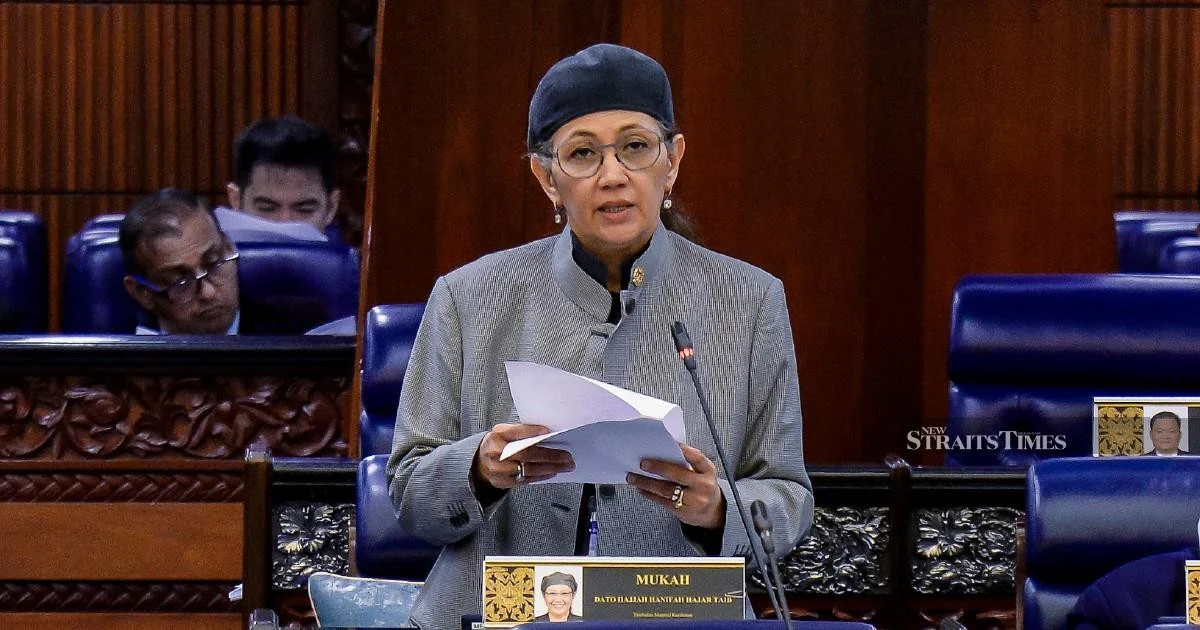
The Health Ministry has taken formal action to examine mounting allegations of improper conduct by its medical personnel in relation to the disturbances at Taiping Prison during January of the preceding year. The establishment of a dedicated investigative committee represents a significant step in addressing concerns that have surfaced regarding the involvement of ministry health officers in circumstances surrounding the prison incident. This development underscores growing scrutiny of intersectoral accountability when matters of public health intersect with correctional facility management and prisoner welfare.
The Taiping Prison riot, which unfolded in January, emerged as a notable incident within Malaysia's correctional system, triggering questions about conditions, management practices, and the roles played by various institutional actors. The involvement of health ministry officials in the incident's context has subsequently become a focal point for oversight bodies and accountability mechanisms. By commissioning a thorough investigation, the Health Ministry signals its commitment to internal governance standards and professional conduct expectations among its workforce.
The committee's mandate will necessarily extend to examining the precise nature of allegations levelled against the medical officers in question. This includes scrutinising the circumstances under which health ministry personnel were present during the disturbance, their actions during the event, and whether their conduct aligned with established protocols and ethical standards governing medical professionals. Such examinations are critical in maintaining public confidence in healthcare administration and ensuring that medical practitioners prioritise prisoner welfare and safety in line with international humanitarian standards.
Prisoner rights advocates and civil society observers have previously raised concerns about healthcare provision within Malaysian correctional institutions. The formation of this committee may offer an opportunity to address broader systemic questions about medical access, treatment standards, and the independence of health professionals working within prison environments. Penal facilities present unique challenges where medical autonomy can be compromised by security considerations, and ensuring robust oversight mechanisms becomes paramount.
The incident at Taiping Prison occurred within the broader context of challenges facing Malaysia's prison system, including overcrowding concerns, security management issues, and prisoner welfare considerations. Correctional facilities across the nation have periodically experienced disturbances arising from diverse grievances, from living conditions to access to services including healthcare. Understanding the Health Ministry's role during such incidents contributes to a more comprehensive picture of institutional coordination and the adequacy of inter-agency protocols.
Investigative committees of this nature typically examine documentary evidence, conduct interviews with relevant personnel, and assess compliance with operational guidelines and professional standards. The Health Ministry committee will need to determine whether medical officers acted independently or under pressure from prison authorities, whether appropriate emergency protocols were followed, and whether prisoner health and dignity were safeguarded throughout the incident. Such determinations carry implications for future training, institutional policies, and accountability frameworks.
For Malaysia's broader healthcare system, such investigations demonstrate the importance of maintaining professional integrity across all employment contexts. Medical officers stationed in correctional facilities operate at the intersection of two institutional cultures—healthcare and security—and navigating this terrain demands clear ethical frameworks and supportive oversight. The committee's findings may inform revised guidelines for health professionals deployed in prison settings, ensuring they can fulfil their obligations to patients while functioning within institutional constraints.
The regional dimension of such incidents merits consideration as well. Southeast Asian nations face comparable challenges in managing correctional institutions while respecting human rights standards and ensuring adequate healthcare. Malaysia's approach to investigating potential misconduct by its health personnel may offer insights for neighbouring countries grappling with similar tensions between security imperatives and healthcare obligations. The transparency with which the Health Ministry conducts this inquiry could contribute to regional best practices.
Stakeholders including prisoner advocacy groups, healthcare professionals' associations, and civil rights monitors will likely follow the committee's progress closely. The outcomes of the investigation are expected to carry significance beyond the individuals involved, potentially shaping institutional policies affecting thousands of individuals within the correctional system. Any recommendations emerging from the committee may address not only the specific circumstances of the Taiping Prison incident but also systemic factors that warrant remediation.
The Health Ministry's decision to establish this formal investigative structure reflects broader recognition of the necessity for institutional accountability when public officials are involved in controversial incidents. By committing resources to a thorough examination, the ministry demonstrates responsiveness to public concern while affirming expectations that health professionals, regardless of their employment setting, maintain ethical standards and professional conduct. The outcome of this inquiry will be instrumental in rebuilding institutional confidence and clarifying expectations for health personnel in correctional contexts moving forward.

