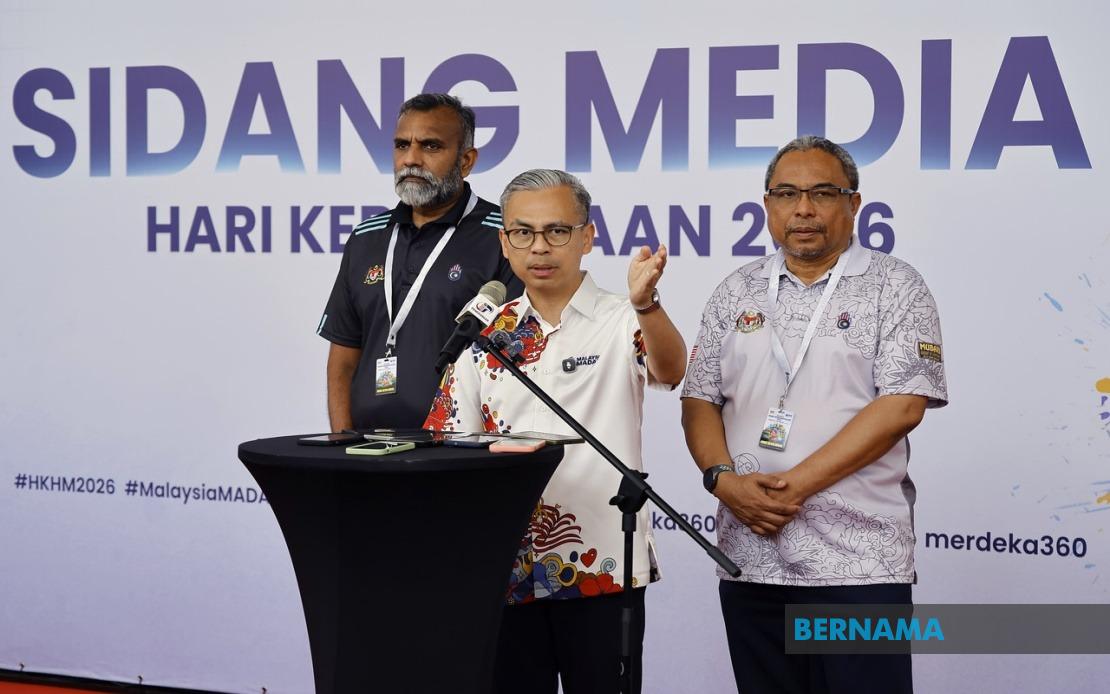
Organisers of Malaysia's 2026 National Day celebrations have recommended that visitors to the flagship event at Dataran Putrajaya wear N95 masks to guard against the lingering haze affecting the region. The advisory, issued by Communications Minister Datuk Seri Fahmi Fadzil, aligns with guidance from the Ministry of Health, particularly targeting vulnerable populations including young children, elderly individuals, and those with respiratory conditions such as asthma.
Fahmi, who chairs the main committee overseeing the 2026 National and Malaysia Day celebrations, emphasised that mask-wearing remains voluntary rather than mandatory, reflecting a balanced approach to public health during the event. The flexibility allows attendees to make individual assessments of their risk levels and comfort, though the government's explicit recommendation underscores the air quality concerns affecting the country. This measured stance differs from more stringent restrictions imposed during previous haze episodes, suggesting confidence in both air quality improvements and the preparedness of health authorities.
Recognising the varied needs of the anticipated crowd, celebration organisers have taken the proactive step of distributing complimentary N95 masks to more than 10,000 participants who will be directly involved in the ceremonies and performances. This supply chain approach ensures that those most exposed to outdoor conditions and tasked with extended physical activities benefit from respiratory protection without bearing the financial burden of sourcing their own protective equipment. Parents attending with children have been specifically encouraged to bring masks, acknowledging that younger individuals may be more susceptible to haze-related respiratory irritation.
The health infrastructure mobilised for the celebration reflects comprehensive contingency planning. Medical teams deployed by the Ministry of Health will operate from strategically positioned stations throughout Dataran Putrajaya, enabling rapid response to any health emergencies that may arise during the festivities. According to Fahmi's briefing following the full dress rehearsal, all medical bases are functioning smoothly with no reported complications, suggesting the healthcare coordination is well-developed and tested. This visible medical presence serves a dual purpose: providing genuine emergency support while simultaneously reassuring attendees that their wellbeing has been prioritised within the event's design.
The full dress rehearsal conducted prior to the official celebration proceeded without significant hitches, validating months of coordination among multiple government agencies and private stakeholders. Successful rehearsals typically indicate that logistical elements from crowd management to medical response protocols have been adequately stress-tested, though real-world conditions on the day may still present unforeseen challenges. The completion of this preparatory exercise allows organisers to refine operations and build confidence among participants that the event will unfold professionally.
Recognising the media's crucial role in communicating the significance of National Day to Malaysians nationwide, organisers have substantially expanded media accreditation and access infrastructure. The number of accredited media practitioners has grown to 823, representing a notable 37 percent increase from the approximately 600 journalists present at the previous year's celebration. This expansion signals the government's commitment to robust coverage while also reflecting renewed confidence in Malaysia's media environment and the appetite for comprehensive National Day reporting.
Technical infrastructure supporting media operations has been significantly upgraded to prevent the connectivity issues that have occasionally hampered coverage during major events. The Malaysian Communications and Multimedia Commission, working in coordination with major telecommunications providers, has installed additional communications equipment across 102 celebration venues, a network expansion designed to ensure reliable internet access for live reporting and multimedia transmission. This investment in digital infrastructure acknowledges the modern media landscape where real-time coverage drives public engagement and narrative formation around national events.
The security posture for the celebration remains calm, with the Royal Malaysia Police reporting no significant incidents requiring elevated intervention. Public order has been maintained effectively during the preparatory phases, with authorities confident that the celebratory atmosphere can be preserved while ensuring attendee safety. The absence of security alerts does not indicate complacency; rather, it reflects routine professional policing and the generally stable security environment surrounding major national observances in Malaysia.
The convergence of haze mitigation measures, expanded media access, enhanced medical readiness, and improved communications infrastructure illustrates the multifaceted coordination required to execute a major national celebration in contemporary Malaysia. For Southeast Asian observers, particularly those in regional nations experiencing similar transboundary haze challenges during dry seasons, Malaysia's approach to safeguarding public health while maintaining celebratory momentum offers practical lessons in adaptive event management. The voluntary rather than restrictive public health posture, combined with targeted support for vulnerable groups, represents a calibrated response balancing health concerns against the cultural and political significance of National Day observances.

