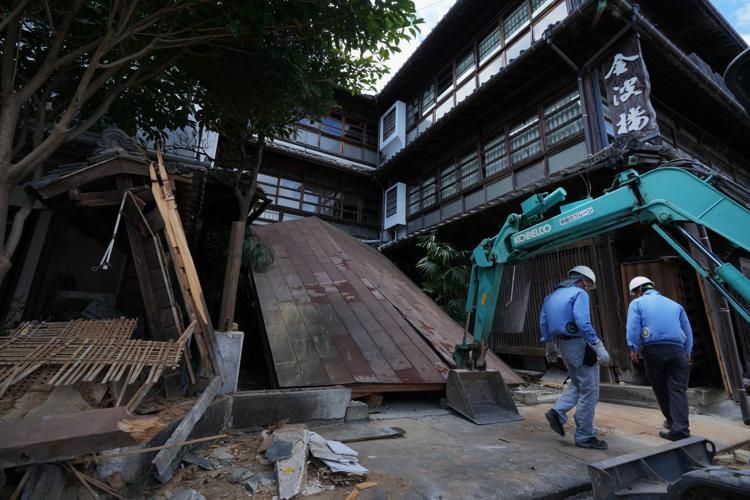
An elderly woman sheltering in a car has become the latest victim of Japan's devastating Kumamoto earthquake, her death underscoring the mounting health crisis facing survivors in the disaster-affected prefecture. Found dead Thursday in a vehicle without running air-conditioning, the woman in her 70s succumbed to heat stroke while seeking refuge from the magnitude 7.1 quake that struck Japan's southwestern Kumamoto Prefecture on Tuesday. The fatality raises the confirmed death toll to 36 and illustrates a humanitarian challenge that experts and officials had anticipated but feared would intensify: the lethal combination of extreme summer temperatures and inadequate shelter conditions in a region still reeling from one of its most severe natural disasters in recent years.
The circumstances of this woman's death represent precisely the scenario disaster management authorities had warned about in the immediate aftermath of the earthquake. Kumamoto Governor Takashi Kimura expressed the depth of official concern following the discovery, describing the loss as "heartbreaking" while simultaneously appealing to tens of thousands of other evacuees still sheltering in vehicles to take immediate precautions. His directive was unambiguous: those unwilling to relocate to air-conditioned evacuation centres must maintain continuous operation of their vehicle air-conditioning systems by refuelling regularly, or risk the same fate. This urgent message underscores how the prefecture now faces a dual crisis where geological disaster has converged with meteorological extremity, creating conditions where survival itself demands careful resource management and access to basic utilities.
Temperature records in the region are intensifying the threat. Japan Meteorological Agency data shows that Kumamoto city reached 36.6 degrees Celsius on Saturday, with forecasters predicting continued escalation into Sunday and beyond. This extreme heat level, described by meteorological authorities as reaching a dangerous threshold, transforms sheltering situations that might otherwise be tolerable into genuinely life-threatening environments. For context, Malaysian readers familiar with tropical heat will recognize that these temperatures approach Southeast Asia's seasonal peaks, yet Japan's elderly population and infrastructure are calibrated for far cooler conditions, making such extremes particularly perilous for vulnerable age groups.
The immediate accommodation crisis compounds these temperature dangers significantly. More than 9,000 people remain crowded into converted community centres, school gymnasiums, and temporary classrooms—many lacking adequate air-conditioning or ventilation systems. Simultaneously, tens of thousands of other evacuees have opted to sleep in vehicles parked at town halls, parks, or makeshift encampments outside their damaged homes, prioritizing whatever privacy such arrangements offer over comfort and safety. This fractured shelter situation reflects a broader challenge in Japanese disaster response: balancing the psychological need for privacy and autonomy with the objective requirements of collective facilities that could provide better protection during extreme weather events.
Infrastructural breakdown continues to plague recovery efforts and heighten health risks across multiple dimensions. Nearly 47,000 households remain without access to fresh water, a critical resource in combating heat-related illness and maintaining basic hygiene standards. Simultaneously, fuel shortages have created bottlenecks at operating petrol stations, where long queues of vehicles seek refuelling—a necessity both for transportation and for those attempting to run air-conditioning in shelters. These cascading supply disruptions reveal how earthquake damage extends far beyond structural destruction into the fragile networks of utilities and logistics that modern communities depend upon for everyday survival.
The catastrophe at Aeon Mall in the town of Kashima illustrates the scale of individual disasters within the broader emergency. Authorities concluded a massive multi-day search-and-rescue operation at the shopping complex Saturday, having extracted five survivors and recovered seven bodies from the wreckage. The incident began when an explosion—believed by operators to have resulted from a gas leak—detonated after approximately 3,000 shoppers had been safely evacuated to an adjacent parking lot. However, some employees remained inside the building, where structural collapse claimed lives. This single incident demonstrates how the earthquake's destructive energy translated into multiple categories of tragedy: immediate fatalities, ongoing missing persons, and the psychological trauma affecting both survivors and emergency responders.
A separate industrial disaster compounds the prefecture's loss. At the Nippon Paper Industries factory in Yatsushiro city, a chimney collapse trapped eleven employees, resulting in nine confirmed deaths and two rescues. These workplace casualties, while numerically smaller than some other incidents, represent lives lost within economic infrastructure, raising questions about industrial safety protocols during seismic events and whether workplace sheltering procedures proved adequate when the quake struck. The factory incident also illustrates geographic spread of destruction across the prefecture, indicating that damage extends well beyond Kumamoto city itself into surrounding industrial and rural areas.
Official infrastructure damage assessments reveal the earthquake's extensive reach across residential and commercial landscapes. More than 180 homes have been completely destroyed, with an additional 3,800 buildings sustaining damage of varying severity. Twenty structures have been identified as severely affected, likely requiring complete reconstruction. These figures, while substantial, may understate the true extent of damage still being surveyed in remote or less-accessible areas where assessment teams have yet to complete their evaluations. For Malaysian context, Kumamoto Prefecture has a population exceeding 1.7 million residents, meaning this destruction affects a substantial urban and regional population comparable to major Malaysian cities.
The scale of the ongoing rescue operation underscores the emergency's continuing intensity. Thousands of Self Defense Force troops, police officers, rescue workers, and search dogs remain deployed across affected areas, continuing systematic searches for persons still missing or potentially trapped in wreckage. Prime Minister Sanae Takaichi visited a government task force meeting Saturday to emphasise the administration's commitment to comprehensive response, directing the deployment of water, food, portable sanitation facilities, air-conditioning units, and privacy partitions to evacuation centres. These material additions, while important, represent incremental improvements to shelter conditions rather than fundamental solutions to the core challenge of accommodating displaced populations in extreme heat with limited resources.
The unknown number of still-missing persons adds an element of uncertainty to damage assessments and suggests that confirmed death tolls may yet rise as search operations conclude and identification of remains proceeds. Beyond the 36 confirmed earthquake deaths, 105 additional persons have been injured throughout Kumamoto Prefecture, while two other deaths remain under investigation to determine their causal connection to seismic activity. This investigative process—determining whether deaths should be classified as directly earthquake-caused or as secondary consequences of disaster conditions—is important for statistical accuracy but also for ensuring that all disaster-related mortality receives appropriate recognition and that families receive proper acknowledgment and support.
The Kumamoto earthquake and its aftermath illustrate vulnerabilities in disaster management that extend beyond Japan's borders to affect Southeast Asian nations similarly exposed to geological hazards. Malaysia, Indonesia, and the Philippines all face earthquake risks, and the Kumamoto case demonstrates how the immediate structural destruction of earthquakes can be compounded by secondary health crises if evacuation and shelter systems prove inadequate to extreme environmental conditions. The woman who died of heat stroke while sheltering in her car represents not merely a statistic but a systemic failure to provide adequate protection during the vulnerable period immediately following major disasters. Her death serves as a cautionary lesson for regional disaster preparedness authorities: ensuring that emergency shelter systems include climate-appropriate infrastructure, adequate supply chains for utilities, and accessible real-time communication channels could mean the difference between survival and tragedy for vulnerable disaster survivors.

