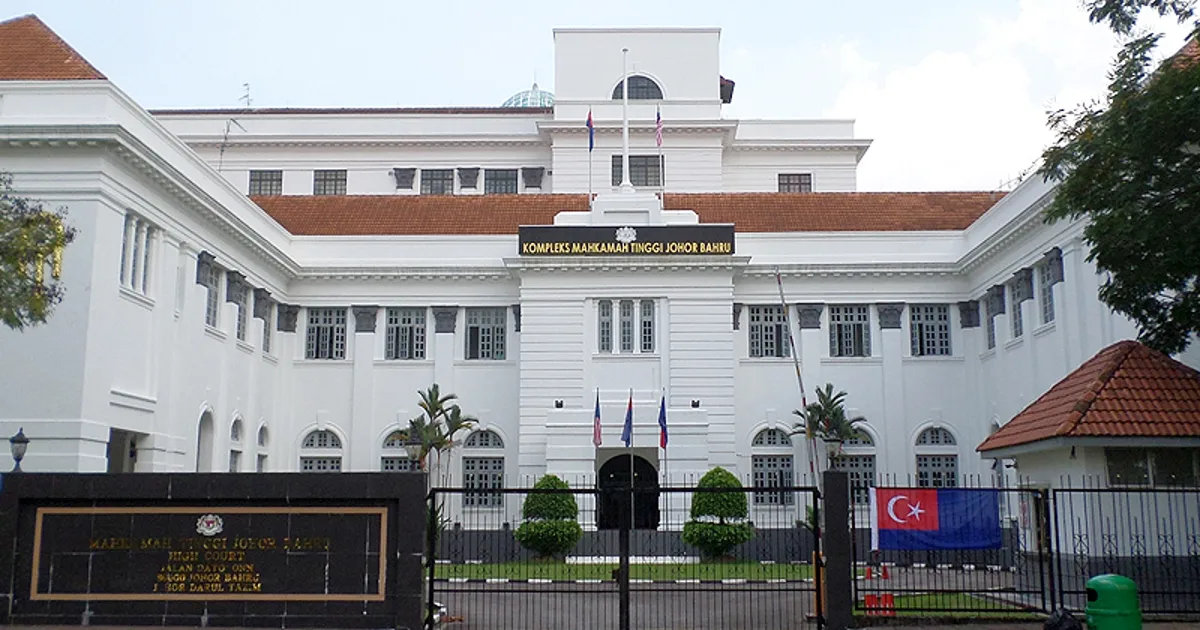
An instructor employed at a government training institute has been acquitted of sexual assault charges following a High Court judgment that raised serious concerns about the quality of police work underpinning the prosecution. The decision represents a significant setback for the criminal case and underscores recurring weaknesses in investigative procedures that have drawn judicial scrutiny throughout Malaysia's legal system.
The High Court judge delivered a scathing assessment of how law enforcement approached the allegations, finding that the investigation departed substantially from the rigorous standards expected in cases of this gravity. Rather than accepting the prosecution's narrative at face value, the judge conducted a detailed examination of the evidence-gathering process and found it wanting in fundamental respects. This judicial critique carries particular weight because it demonstrates that the burden rested not merely on the defence to dismantle the case, but on investigative shortcomings themselves to undermine its credibility.
The acquittal reflects a broader pattern emerging in Malaysian courts, where judges increasingly scrutinise the quality of police investigations rather than passively accepting charges brought before them. This judicial assertiveness is essential in a system where investigative lapses can lead innocent individuals to face serious criminal proceedings. The instructor's exoneration illustrates how procedural deficiencies at the investigation stage can contaminate entire prosecutions, wasting court time and damaging the accused's reputation even when guilt cannot ultimately be established.
Government training institutes occupy an important position in Malaysia's public administration landscape, preparing civil servants and officials for various roles within the bureaucracy. Allegations against personnel at such institutions carry additional implications for public confidence in these organisations. The acquittal therefore extends beyond the individual defendant to affect institutional reputation and morale among staff who work within these environments. The manner in which such allegations are investigated and adjudicated sends signals throughout the government sector about accountability and the standards applied to those who serve the public.
The judge's criticism of investigative standards suggests potential systemic issues within the police force's approach to sexual assault cases. Malaysia has faced ongoing discussions about how such allegations are handled, with civil society organisations emphasising the need for specialised training and protocols tailored to the particular sensitivities and evidentiary challenges these cases present. When investigations fail to meet proper standards, the consequences ripple outward, affecting both victims who may lose faith in the system and accused individuals who face baseless prosecutions.
Sexual assault allegations occupy a unique space within criminal law, requiring careful handling to protect both complainants and the accused. The investigation must balance sensitivity to potential victims with rigorous fact-finding that avoids jumping to conclusions. The High Court's finding that the police investigation fell markedly short suggests that this balance was not achieved. Whether through inadequate witness interviews, failure to properly document evidence, or investigative tunnel vision, the shortcomings identified by the judge appear to have been substantial enough to undermine the entire prosecution.
The acquittal may prompt a review of investigative protocols within the police force, particularly regarding sexual assault cases. Training initiatives and procedural guidelines can help ensure that future investigations meet judicial expectations and accord with international best practices. Malaysia's law enforcement agencies have undertaken various capacity-building exercises in recent years, yet this judgment suggests that such efforts may not have filtered through all divisions or achieved consistent implementation across different police jurisdictions.
For the instructor involved, the acquittal provides legal vindication but may not fully restore his standing, particularly if the allegations attracted public attention. Wrongful accusations, even when ultimately dismissed, can inflict lasting damage on professional reputation and personal relationships. The court's criticism of the investigation may provide some measure of rehabilitative clarity, demonstrating that the charges rested on flawed foundations rather than credible evidence, yet media attention and social discourse are often less nuanced than court judgments.
The judgment also carries implications for how the public perceives Malaysia's criminal justice system. Public confidence depends partly on the perception that only cases with solid evidentiary foundations proceed to trial and that investigative standards remain appropriately stringent. When courts identify marked investigative shortcomings, it reinforces the importance of judicial oversight in checking police work, but it may also raise questions about quality control at earlier stages. Strengthening investigative standards before cases reach court would reduce the number that must be dismissed at trial, serving interests of justice and efficiency.
The case underscores the intersection between institutional accountability and individual rights within Malaysia's legal framework. While government organisations require mechanisms to address genuine misconduct, those mechanisms must function fairly and maintain evidentiary standards commensurate with the seriousness of accusations. The High Court's decision to acquit the instructor based on investigative failings reinforces that the state's prosecutorial power, though substantial, remains subject to judicial scrutiny and cannot override fundamental principles of due process and investigative rigour.

