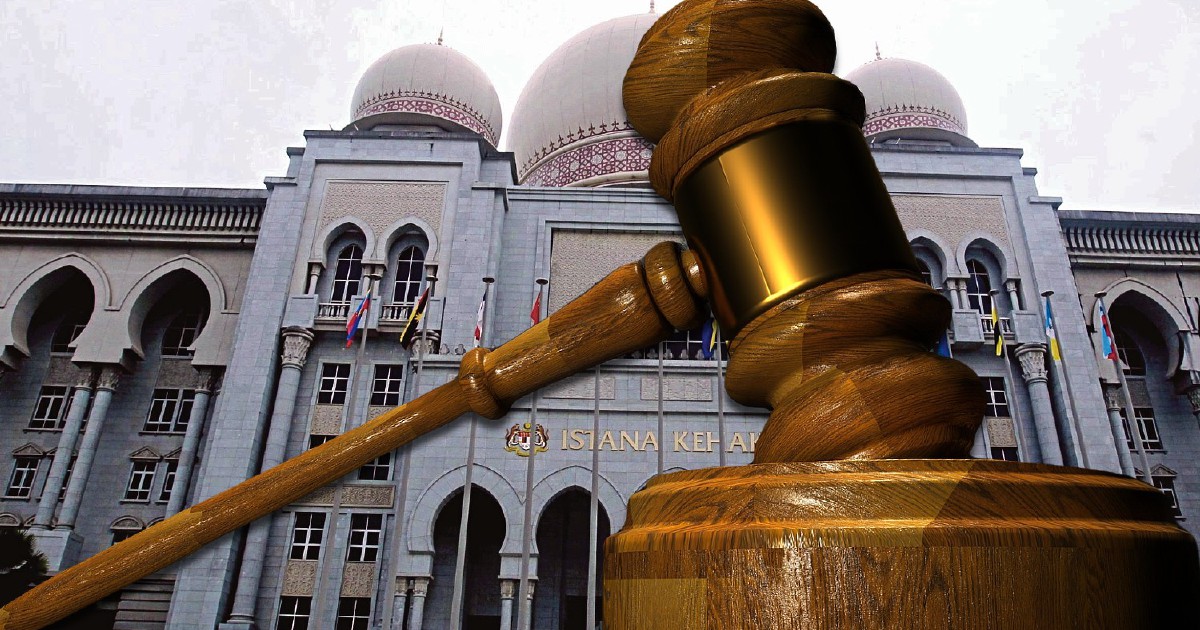
The High Court in Kuala Lumpur has scheduled September 21 for a crucial hearing that will determine the procedural pathway forward in a civil sexual assault case involving Prime Minister Datuk Seri Anwar Ibrahim. At this hearing, the court will adjudicate on multiple preliminary matters raised by the defendant, establishing whether these threshold questions should be resolved prior to the substantive trial commencing. The claimant in the action is Muhammed Yusoff Rawther, who previously served as Anwar's research aide, and who has levelled allegations of sexual assault against the Prime Minister.
The distinction between preliminary and substantive issues carries significant weight in civil litigation within Malaysia's common law framework. Preliminary matters typically address procedural, jurisdictional, or technical questions that may determine whether a case can proceed to trial at all, or whether certain claims should be dismissed before evidence is heard. These might encompass challenges to the court's jurisdiction, arguments that claims are time-barred, disputes over whether the statement of claim adequately discloses a legal cause of action, or questions concerning the proper parties to the litigation. The September 21 hearing represents a pivotal moment, as rulings on such matters can fundamentally reshape the trajectory of the proceedings.
For Malaysian observers, this case carries broader constitutional and political dimensions beyond its immediate legal substance. Anwar Ibrahim has served as Prime Minister since November 2022, leading a coalition government that has navigated considerable political turbulence. Any litigation touching upon the personal conduct of a sitting prime minister attracts intense scrutiny from both domestic and international quarters, raising questions about accountability, the independence of the judiciary, and the capacity of Malaysia's legal system to adjudicate sensitive matters without political interference. The meticulous handling of preliminary procedural matters therefore becomes not merely a technical exercise but an expression of institutional integrity.
Civil claims alleging sexual assault differ markedly from criminal prosecutions in their evidentiary thresholds, burdens of proof, and available remedies. In civil proceedings, the plaintiff must establish his case on the balance of probabilities—a lower standard than the criminal requirement of proof beyond reasonable doubt. Notably, civil cases can proceed even where criminal charges have been withdrawn, acquitted, or never pursued, as the same evidence may satisfy different legal standards. The distinction explains why civil suits of this nature have become increasingly prevalent globally as alternative avenues for addressing allegations when criminal prosecutions do not materialise or when complainants prefer the remedial mechanisms available through civil courts.
The timing of this hearing occurs against a backdrop of Malaysia's evolving legal landscape regarding sexual misconduct allegations and workplace harassment. Malaysian courts have grown increasingly receptive to addressing power dynamics and institutional accountability, particularly where hierarchical employment relationships are involved. The research aide relationship described here inherently involves an asymmetry of power and professional dependence, factors that Malaysian jurisprudence has begun to weigh more seriously when evaluating the plausibility of allegations and the reasonableness of complainant behaviour.
The preliminary issues to be determined on September 21 remain unspecified in current reporting, yet typically such matters in high-profile civil suits encompass technical questions about the adequacy of pleadings, limitation periods, whether the claim discloses a reasonable cause of action, and questions of jurisdiction or immunity. Should the defendant's preliminary objections succeed on any material grounds, the plaintiff's ability to proceed to full trial could be significantly curtailed. Conversely, should the court reject these preliminary challenges, the case moves forward to the substantive phase where evidence will be tested and credibility assessed.
For the Malaysian legal community and commentators, the September 21 ruling will furnish important guidance on how superior courts approach preliminary matters in sensitive civil litigation involving public figures. The judgment will necessarily reflect the court's calibration of competing interests: the rule of law and access to justice for aggrieved parties against the desirability of protecting office-holders from frivolous or vexatious claims that consume public resources and distract from governance responsibilities. Malaysian courts have previously articulated that such balance demands careful attention to the merits and legitimacy of claims rather than blanket deference or blanket scepticism toward allegations against powerful individuals.
The proceedings also intersect with regional conversations about accountability and institutional reform across Southeast Asia. Malaysia's experience in adjudicating civil claims against high office-holders contributes to broader regional jurisprudential development and may influence how comparable cases are managed in neighbouring jurisdictions. The High Court's approach to procedure, evidentiary matters, and procedural fairness will be observed not merely by Malaysian legal practitioners but by international observers monitoring the state of rule of law across the region.
As the September 21 hearing approaches, both parties will likely file extensive written submissions articulating their positions on each preliminary issue. The defendant's legal team will presumably argue that one or more technical or substantive deficiencies warrant dismissal before trial, while the plaintiff's counsel will contend that the claim is properly constituted and that all preliminary obstacles should be cleared to permit the substantive hearing of evidence. The High Court judge assigned to this matter will need to carefully weigh these competing arguments, considering not only binding precedent but the broader institutional considerations that cases of this profile necessarily implicate.
Ultimately, the September 21 judgment will determine whether this civil action progresses to a trial where Muhammed Yusoff Rawther's allegations will be tested against Anwar Ibrahim's defence. The court's resolution of preliminary matters will therefore shape not only the legal fate of the parties involved but also contribute meaningfully to how Malaysia's superior judiciary manages sensitive litigation affecting sitting office-holders, a question that assumes growing importance in contemporary Malaysian governance and rule of law discourse.

