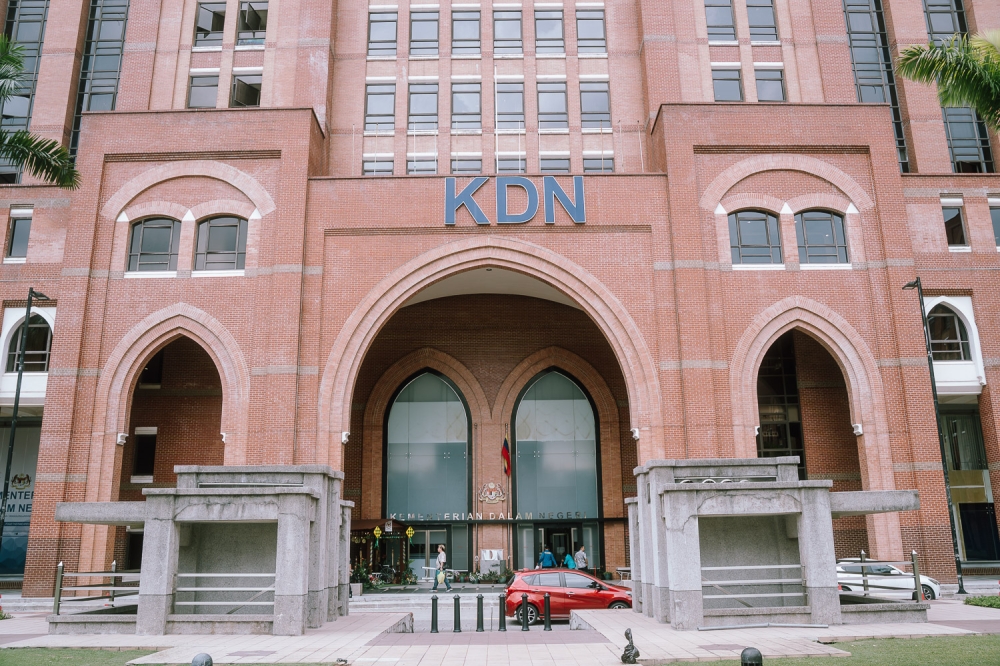
The Home Ministry has commenced a formal investigation into allegations of immigration misuse at Network School, located within the Forest City development in Putrajaya, signalling heightened scrutiny of international education operations in the country. The probe centres on concerns that established immigration procedures may not have been properly adhered to during the enrolment and processing of foreign students at the institution.
Forest City, the sprawling integrated township development in Putrajaya, has been the subject of various regulatory reviews since its inception. The presence of an international school within this development has drawn attention from oversight bodies, particularly as Malaysia works to strengthen border security and immigration control mechanisms across all sectors. The involvement of the Home Ministry directly underscores the seriousness with which authorities are treating the allegations.
The investigation reflects broader government efforts to ensure that international educational institutions operating within Malaysia maintain strict compliance with immigration laws and student visa requirements. Many schools and colleges across the country cater to international students, and proper documentation and verification procedures are essential to prevent misuse of education visas as a potential loophole for irregular immigration. This probe serves as a reminder that institutions handling foreign nationals face substantial regulatory obligations.
Network School's operations have apparently come under review following initial reports or complaints regarding administrative procedures related to student admissions. The specific nature of the alleged irregularities has not been detailed publicly, but investigations of this type typically examine whether students were properly verified before admission, whether their visa categories matched their educational activities, and whether appropriate reporting to immigration authorities was completed.
For Malaysia's education sector, such investigations carry significant implications. International schools and universities represent an important revenue stream and contribute to the country's aspirations as a regional education hub. However, maintaining public confidence in the integrity of these institutions requires rigorous oversight. Any shortcuts in immigration verification could potentially undermine the entire system and create security concerns that might prompt stricter regulations across the sector.
The investigation comes amid Malaysia's broader focus on strengthening institutional governance and preventing administrative abuse. Over recent years, the country has seen heightened scrutiny of various sectors to ensure that regulations are uniformly enforced and that foreign nationals entering Malaysia are properly vetted. Immigration compliance has become a priority across multiple agencies, reflecting both security concerns and the need to protect legitimate pathways for international engagement.
Forest City itself has been subject to various investigations and reviews since its development began, involving matters ranging to land usage to business operations. This latest probe concerning Network School adds to the complexity of oversight surrounding the massive township project. Developers and operators within Forest City remain under regular monitoring by relevant authorities to ensure all activities comply with Malaysian law.
The involvement of the Home Ministry is particularly significant because immigration matters fall directly under its purview. The decision to launch a comprehensive investigation rather than issue a simple advisory suggests that authorities have identified concerns substantial enough to warrant formal inquiry. This could potentially result in recommendations for corrective measures, penalties, or structural changes to how the institution processes international student admissions.
For parents considering enrolling their children at international schools in Malaysia, the investigation highlights the importance of institutions maintaining transparent, compliant operations. Schools that properly follow all immigration and educational regulations have nothing to fear from such probes, while those with administrative gaps may face consequences. The investigation process itself may take several months, during which the institution will likely need to provide extensive documentation and cooperation with authorities.
The broader context includes Malaysia's ongoing efforts to position itself as a premier destination for international education while maintaining robust security and regulatory frameworks. This balance requires that institutions understand their obligations clearly and implement systems to meet them consistently. The Home Ministry's action sends a clear message that immigration compliance is non-negotiable across all sectors, regardless of an institution's status or location within premium developments.
Sector observers note that such investigations, while potentially disruptive to institutions involved, ultimately serve to strengthen the credibility of Malaysia's education system internationally. When regulatory bodies actively investigate and address allegations of misuse, it demonstrates that the country takes the integrity of its institutions seriously. This can actually enhance Malaysia's reputation as a jurisdiction where proper procedures are expected and enforced.
As the investigation proceeds, Network School and other educational institutions will likely review their own compliance procedures to ensure they meet all Home Ministry requirements. The outcomes of this probe may also inform guidance that the ministry issues to other international schools, potentially leading to clearer standards across the sector. For Malaysian students and parents, the investigation represents an important quality-control mechanism within the education system.

