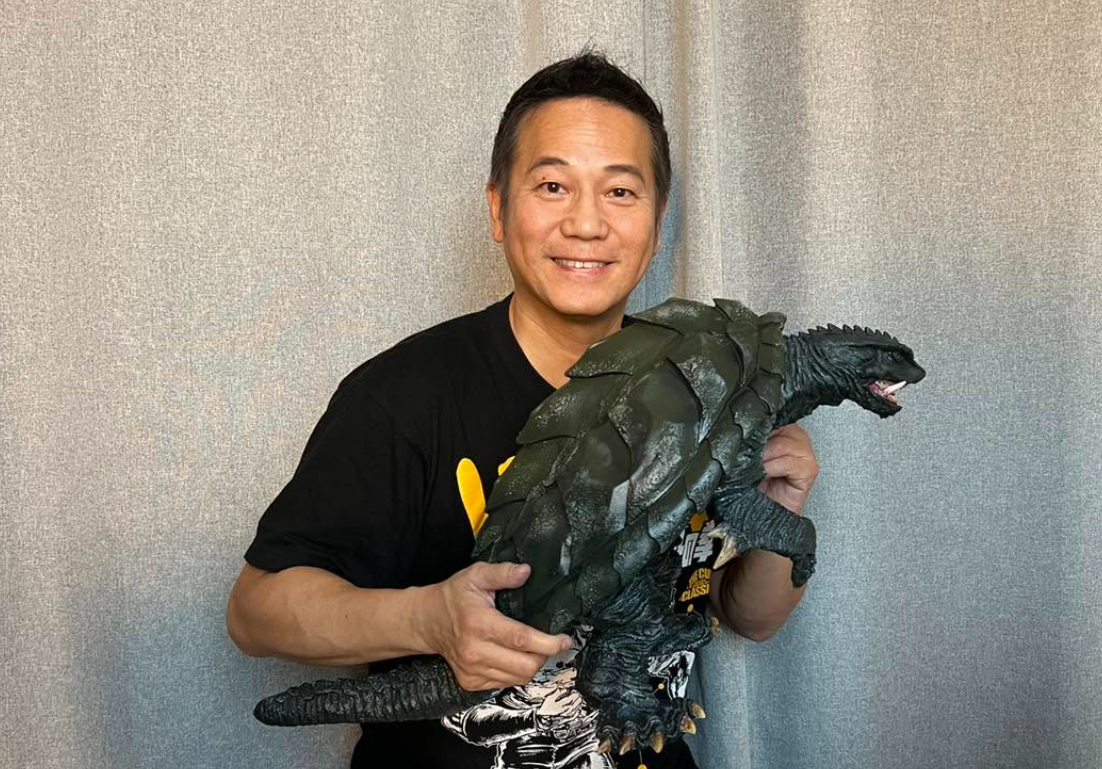
Hong Kong entertainment veteran Stephen Au and his wife Phyllis Man have established themselves in Vancouver over the past four years, and the couple shows no signs of looking back on their decision to leave the bustling Asian metropolis. During a recent interview, Au, who married Man in 1997, reflected positively on their relocation and the profound lifestyle changes it has brought to both their personal and professional lives.
The transition from Hong Kong to Canada represented more than a geographic shift for Au. The slower pace of Canadian life has fundamentally altered how he approaches his day-to-day existence, stripping away the constant social obligations and industry pressures that characterised his decades-long career in Hong Kong's competitive entertainment scene. Au, now 63, emphasises that respectful and courteous interactions form the foundation of community life in Vancouver, a cultural adjustment he and his wife have navigated with considerable ease and enthusiasm.
What emerges from Au's account is a portrait of someone discovering genuine contentment through simplification. The relentless social calendar that accompanied his status in Hong Kong—the endless networking events, industry gatherings, and obligatory appearances—has given way to a lifestyle that permits genuine reflection and appreciation of quieter pleasures. This transition has had tangible creative consequences, with Au producing five completed manuscripts during his four-year Canadian residency, a rate of literary output that speaks to both renewed motivation and the temporal freedom his new circumstances provide.
The most poignant illustration of Au's transformation involves his long-neglected collection of model kits, accumulated during his Hong Kong years but left sealed and unopened for nearly two decades. The sheer volume of his collection underscores just how constrained his schedule had become—a successful actor simply lacked the temporal or mental bandwidth to engage in a time-consuming hobby that demanded patience and creative focus. Only upon arriving in Vancouver did circumstances finally align to permit him to unpack these carefully preserved items and begin methodically constructing them using foam boards, clay, and other materials he sources himself.
For Malaysian and Southeast Asian readers familiar with the relentless pace of urban life in regional entertainment industries, Au's experience resonates with a growing phenomenon: the departure of creative professionals from established Asian hubs toward quieter jurisdictions offering space for artistic experimentation and personal renewal. Au's journey illustrates how geographical relocation can sometimes function as a catalyst for creative flourishing rather than representing career stagnation or retreat.
Crucially, Au has resisted the temptation to withdraw entirely from his professional identity. Rather than treating emigration as retirement, he has recalibrated his involvement in the entertainment industry, channeling his energy toward theatre and stage productions rather than the television and film work that dominated his earlier decades. This strategic pivot enables him to remain creatively engaged while operating within the more manageable rhythms of Vancouver's theatrical community.
The comparative analysis Au offers between producing theatrical work in Hong Kong versus Vancouver illuminates fundamental differences in creative methodology between regions. A production cycle that would compress into two months of intensive preparation in Hong Kong's high-velocity entertainment environment expands into four months in Vancouver, a seeming disadvantage that Au has reframed as opportunity. This extended timeline permits a more deliberate refinement process, allowing artistic teams to layer details, explore interpretative nuances, and build performances with greater intentionality rather than rushing toward completion under deadline pressure.
Au's appreciation for the artistic teams he collaborates with in Vancouver—described as marked by simplicity and genuine passion—suggests that creative satisfaction extends beyond production schedules. The absence of the hierarchical pressures, competitive dynamics, and institutional bureaucracy that characterise large-scale entertainment operations in Hong Kong appears to foster a collaborative environment where artistic merit receives greater emphasis than commercial calculation. For an actor who spent decades navigating the pressures of a major entertainment industry, this represents a meaningful shift in professional culture.
Perhaps most significantly, Au has discovered a form of cultural ambassadorship that provides profound personal meaning. By bringing Hong Kong cultural expressions to Canadian audiences through theatrical production, he transforms his relocation from a personal retreat into a form of creative diplomacy, introducing overseas communities to aspects of his heritage while simultaneously enriching Vancouver's multicultural artistic landscape. This dimension of his work—the satisfaction derived from cross-cultural exchange—appears to provide the sense of purpose and contribution that sustained his commitment to entertainment throughout his career.
The trajectory of Au's life in Vancouver offers broader insights into how Southeast Asian professionals navigate the tension between career advancement in established regional centres and the search for sustainable creative lives. His example suggests that relocation need not represent professional diminishment but rather an opportunity to recalibrate priorities, recover dormant creative impulses, and engage more meaningfully with artistic communities. For other entertainment professionals in Malaysia, Singapore, and throughout the region who feel constrained by the pressures of competitive urban markets, Au's four-year experiment demonstrates that meaningful professional engagement and personal fulfilment need not depend on remaining within the regional entertainment establishment.
Looking forward, Au's continued involvement in theatrical productions signals that his creative career has entered a new chapter rather than concluding. The books he has written during his Vancouver years, the model collection he is systematically building, and the stage productions he participates in collectively demonstrate that geographic distance from the Hong Kong entertainment industry has not diminished his productivity but rather fundamentally altered its character. For a professional who spent four decades operating within one of Asia's most demanding entertainment ecosystems, the transformation Au describes represents not loss but liberation—the discovery that meaningful creative work thrives not necessarily where the industry is largest, but where conditions permit genuine artistic focus and personal renewal.

