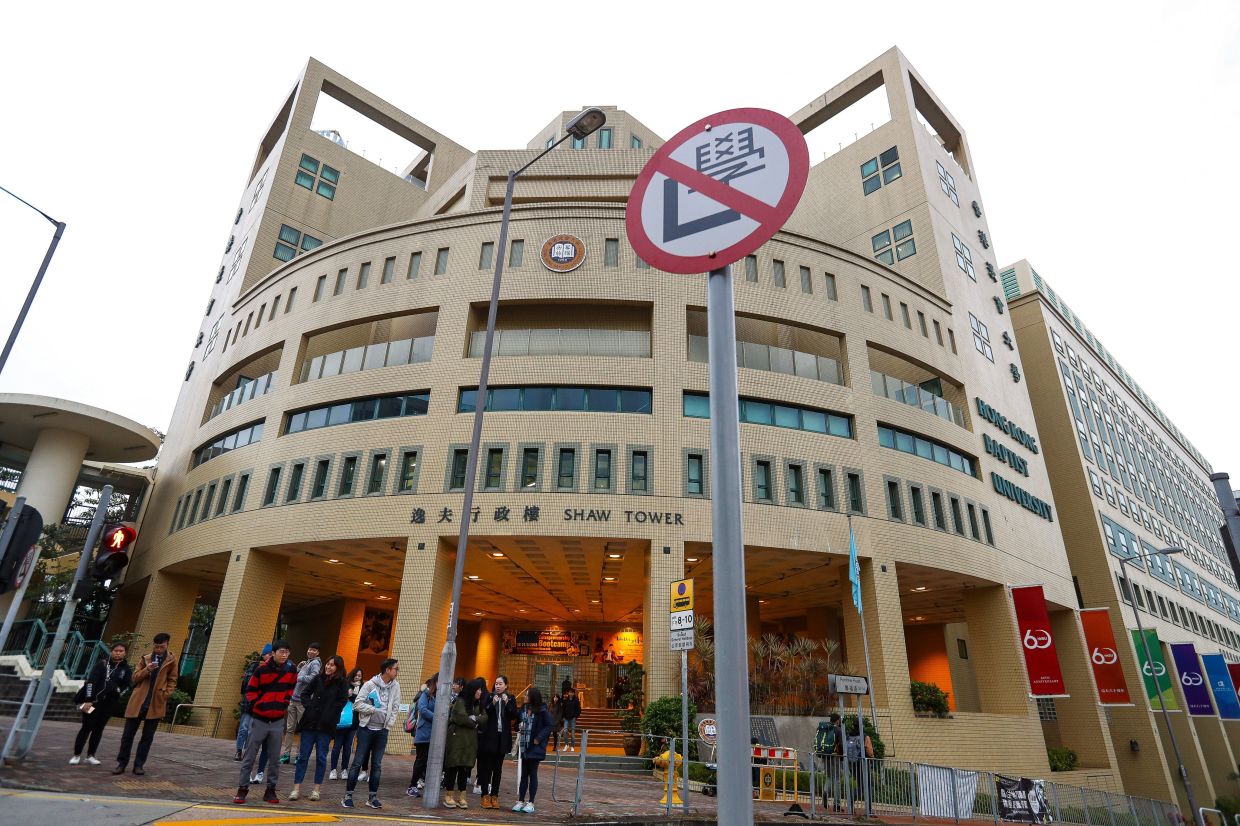
Hong Kong Baptist University has initiated a comprehensive review of its information technology infrastructure following allegations by an advanced ransomware group that it has illegally accessed sensitive institutional data. The claims, publicized online by a cybercriminal outfit known as "The Gentlemen," represent a significant breach incident for the institution and come amid escalating cyber threats facing educational establishments across Asia.
The Gentlemen, a relatively nascent but sophisticated ransomware operation that surfaced in mid-2023, has emerged as a notable player in the global cybercrime ecosystem. Cybersecurity monitoring platforms tracking the group's activities have documented evidence suggesting that approximately 1,900 credentials linked to the university may have fallen into unauthorized hands. The apparent compromise encompasses a diverse range of institutional accounts, creating layered security vulnerabilities across the institution's digital environment.
The compromised credentials reportedly include roughly 130 accounts belonging to university staff members, approximately 1,770 other user accounts likely associated with students and administrative personnel, and some 260 credentials belonging to third-party employees and contractors who maintain access to university systems. This distribution across multiple user categories suggests the breach may have provided attackers with access to various institutional networks and databases, potentially ranging from academic systems to financial and personal information repositories.
Security researchers tracking The Gentlemen's operations describe an organization employing a distinctive business model that differs from traditional ransomware operations. Rather than developing extortion capabilities for internal use exclusively, the group functions as a software-as-a-service provider within the criminal ecosystem, renting its sophisticated extortion tools to other hackers in exchange for revenue sharing arrangements. This approach has enabled rapid expansion across global networks, as the group's infrastructure reaches far beyond its core operators into the hands of numerous criminal actors worldwide, multiplying the potential vectors through which organizations might be targeted.
Baptist University publicly acknowledged the incident on Tuesday evening through an official statement confirming that it had identified a webpage making allegations regarding unlawful intrusion into its IT systems. The university indicated it was undertaking a thorough examination of its technological security posture and evaluating the status of personal data held within its networks. Officials committed to implementing appropriate remedial measures through established organizational protocols while maintaining active communication with relevant local authorities and law enforcement agencies investigating the matter.
Hong Kong's privacy protection authority moved swiftly to engage with the institution. The Office of the Privacy Commissioner for Personal Data disclosed that it had not yet received formal notification of a breach from the university itself, a regulatory requirement under data protection legislation. However, the office indicated it had proactively contacted Baptist University to gather comprehensive details about the incident's scope and circumstances, suggesting official channels were already mobilizing oversight mechanisms.
Francis Fong Po-kiu, serving as honorary president of the Hong Kong Information Technology Federation, outlined a series of urgent measures he believes should guide the institution's response. Fong emphasized that immediate notification to the privacy commissioner represents a legal and ethical imperative, allowing the regulator to oversee response efforts and ensure affected individuals are properly informed. He further stressed the necessity of deploying comprehensive forensic analysis and rigorous system audits to determine not merely that credentials were stolen, but whether attackers leveraged this access to penetrate critical institutional systems or exfiltrate sensitive data repositories.
Verifying the extent to which stolen credentials have been exploited constitutes a critical investigative priority. Attackers possessing valid institutional credentials can often move through systems with minimal detection, accessing resources that might otherwise be protected by conventional perimeter security measures. Understanding whether the breach represents a confined credential theft or a deeper compromise affecting core databases requires meticulous technical investigation involving security specialists and potentially external forensic firms.
Fong's recommendations extended to several defensive measures universities should implement following such incidents. A campuswide password reset would invalidate compromised credentials and limit their utility to attackers who might otherwise attempt to maintain persistent access. Mandatory implementation of multi-factor authentication would add a security layer preventing unauthorized account access even when passwords are compromised. Transparent communication with staff and students regarding the investigation's findings and ongoing response efforts could mitigate social engineering risks, as transparent institutions inspire greater user vigilance against follow-on attacks exploiting the breach's publicity.
The Baptist University incident reflects a broader vulnerability affecting educational institutions globally, which increasingly find themselves targeted by sophisticated cybercriminals. Universities maintain valuable repositories of personal information regarding current and former students and staff, along with intellectual property from research initiatives, creating attractive targets for extortionists. The ransomware-as-a-service model employed by groups like The Gentlemen has democratized attacks, allowing financially motivated operators lacking advanced technical expertise to launch professional-grade campaigns against institutional targets.
For Malaysian institutions and regional education authorities, the Baptist University case offers instructive lessons regarding cyber resilience planning. Educational establishments across Southeast Asia generally maintain comparable digital infrastructure and data holdings, suggesting comparable vulnerability profiles. The incident underscores the necessity for proactive security audits, incident response planning, and staff training programs designed to limit credential compromise risks. Regulatory engagement and transparent breach communication also appear increasingly essential for managing institutional liability and maintaining stakeholder trust following security incidents.
The evolving threat landscape suggests that individual institutions cannot address cybersecurity in isolation. Baptist University's experience demonstrates how international criminal enterprises weaponize stolen credentials to extort payments from organizations, a pattern likely to persist as ransomware-as-a-service operations expand. Educational leaders throughout the Asia-Pacific region would benefit from enhanced information sharing regarding emerging threats, coordinated incident response practices, and collective advocacy for stronger data protection regulations that establish clearer obligations for breach notification and accountability.

