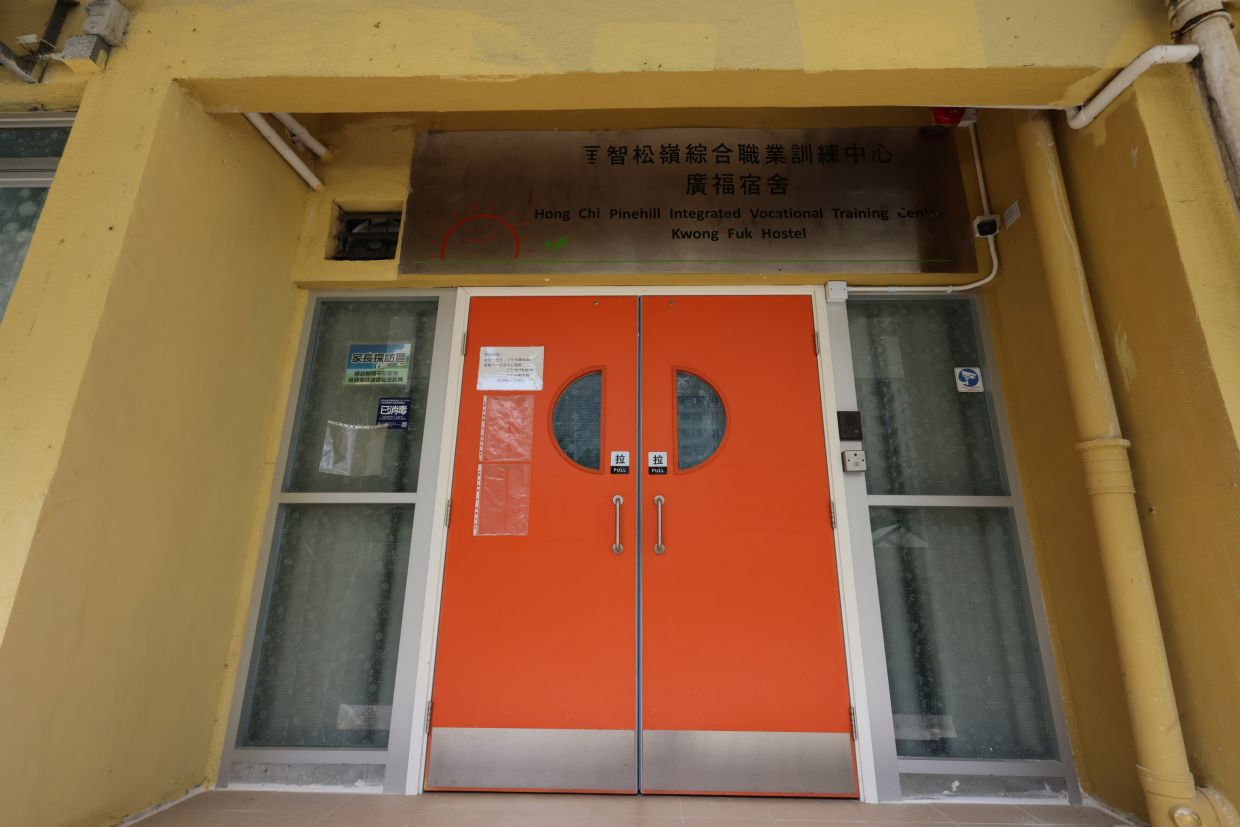
A High Court trial has begun in Hong Kong against Chung Pui-kei, a former assistant warden accused of repeatedly raping a resident at a care facility operated by the Chi Association, an established social welfare non-governmental organisation. The victim, identified only as X in court proceedings, was a resident at the Tai Po residential home specifically designed to support intellectually disabled individuals. Prosecutors have levied five distinct counts of rape against the defendant, with the alleged offences occurring during a two-month window in mid-2024. The trial, overseen by Judge Douglas Yau Tak-hong, is proceeding before a jury of four men and two women.
Prosecutor Human Lam Hiu-man presented the prosecution's case by detailing the circumstances surrounding each alleged incident, establishing a pattern of systematic abuse. The court heard that X, now 23 years old, functions intellectually at the level of a child approximately nine years and ten months old, creating a profound power imbalance that prosecutors argue Chung exploited. Lam characterised the defendant as deliberately cultivating a relationship of false familiarity with the victim, describing how Chung would seek out X for casual interactions, engage her in video games such as Mario Kart, and provide small treats like marshmallows. This grooming behaviour, the prosecution contends, lowered X's resistance and created a false sense of trust that the defendant then weaponised.
The alleged assaults occurred in two distinct locations within the facility, demonstrating what prosecutors suggest was calculated opportunism on the part of the defendant. Three of the five alleged rapes took place within the male staff rest room, while two incidents allegedly occurred in X's own residential quarters. The prosecutor outlined how X recalled specific details of the attacks, including memories of Chung locking doors before undressing both himself and the victim. X has also provided accounts of experiencing physical pain during these incidents and, on some occasions, attempting to express resistance or communicate her discomfort. However, the prosecutor noted that on other occasions, X remained silent out of fear that voicing objection would result in punishment or reprimand from Chung.
Physical and forensic evidence presented by the prosecution provides material corroboration of the allegations. Police investigators discovered condoms and related items stored in a locker within the male staff rest area, suggesting premeditated conduct rather than opportunistic wrongdoing. More significantly, forensic examination of bedding from X's room revealed biological evidence linking the defendant to the crime scene. The discovered bedsheet contained both semen matching Chung's profile and DNA consistent with X, placing the defendant in an intimate physical context with the complainant within her private sleeping quarters.
Clinical evidence regarding X's mental state and cognitive capacity formed a crucial component of the prosecution's presentation. Psychiatrist Lydia Lam Yi-ngar from Tai Po Hospital testified that X suffers from bipolar affective disorder, a serious mental health condition requiring ongoing pharmaceutical management and regular medical supervision. The doctor confirmed that X had experienced psychiatric hospitalisations in 2018 and 2021 prior to the alleged offences, though her condition had stabilised following consistent medication adherence and discharge from inpatient care. Critically, the psychiatrist assessed X as displaying no signs of psychotic disorder at examination points in August and November 2024, and found no evidence of post-traumatic stress disorder despite the serious nature of the allegations.
The defence strategy, articulated through counsel Lawrence Hui Cheuk-lun, focused on challenging the reliability of X's recollection and mental state during the period when the alleged rapes occurred. Defence questioning of the psychiatrist concentrated on whether medication non-adherence could produce hallucinations affecting perception of facial features, attempting to establish grounds for questioning the accuracy of X's identification of the defendant as her attacker. The defence also sought to establish whether X had reliably taken her prescribed medications throughout July 2024, the month when the first alleged incidents are said to have taken place.
The prosecution addressed these defence contentions by presenting medical evidence of X's medication compliance. While the psychiatrist acknowledged relying partly on staff records from the residential home regarding X's drug-taking behaviour, she reinforced her testimony with objective clinical data. Blood tests measuring levels of valproate sodium, one of two mood-stabilising medications X takes, indicated concentrations consistent with regular prescribed dosing. The prosecutor also established that hallucinations are not a recognised side effect of valproate sodium, directly addressing the defence suggestion that X's perception could have been distorted by medication-related symptoms.
The vulnerabilities highlighted in this case raise significant questions about institutional safeguarding within residential care settings across Hong Kong and Southeast Asia more broadly. Care facilities for intellectually disabled individuals are inherently high-risk environments where residents depend entirely on staff for personal assistance, hygiene support, and protection. The intellectually disabled woman at the centre of this case represents precisely the category of vulnerable person whom institutional procedures are designed to protect. The alleged abuse reportedly occurred over an extended period spanning two months, suggesting potential failures in supervision, monitoring, and internal accountability mechanisms that should detect changes in resident behaviour or unusual incidents.
The involvement of Chi Association, a major NGO operating residential services across Hong Kong, underscores how safeguarding lapses can occur even within established, presumably professional organisations. While the Association itself is not party to the criminal proceedings, this case highlights the importance of robust background screening, comprehensive staff training in recognising abuse indicators, and effective whistleblowing mechanisms. Care workers interact with intellectually disabled residents in private settings where external oversight is limited, creating opportunities for abuse that can persist undetected without vigilant institutional culture.
For Malaysian readers, this case carries particular relevance given the expanding care sector across Southeast Asia and Malaysia's own reliance on residential facilities for intellectually disabled citizens. As disability services expand to meet demographic needs, the question of how to protect vulnerable populations from exploitation by those in positions of authority becomes increasingly pressing. The case demonstrates that abuse can occur regardless of an organisation's established reputation or the educational qualifications of staff members. It underscores the necessity for multi-layered protection including regular medical check-ups that can identify concerning physical or psychological changes, private interview mechanisms allowing residents to report concerns away from staff oversight, and technological safeguards such as strategically placed surveillance systems.
The trial continues with clinical psychologist Wong Yik-tung from the Social Welfare Department scheduled to provide further testimony regarding detailed assessment of X's intellectual capacity. The psychologist's evidence will likely focus on quantifying X's cognitive limitations and ability to consent, a critical legal threshold in cases involving intellectually disabled complainants. This evidence will inform the jury's evaluation of whether X possessed sufficient cognitive capacity to provide consent to sexual contact, and whether the significant disparity in cognitive function between Chung and his alleged victim renders any purported consent meaningless as a matter of law.
The broader implications of this prosecution extend beyond the individual case to fundamental questions about how institutions operating across Southeast Asia can better protect their most vulnerable service users. The case illustrates that institutional failure typically occurs not through single dramatic lapses but through accumulated oversights—staff isolation from oversight, inadequate supervision protocols, failure to respond to subtle behavioural changes in residents, and insufficient internal reporting mechanisms. As care sectors expand across Malaysia and the region to serve growing populations of intellectually disabled individuals, the standards established through this trial and its outcome will likely influence regulatory and institutional responses. The verdict, whenever it comes, will contribute essential case law regarding how courts weigh complainant testimony from intellectually disabled witnesses and evaluate forensic evidence in contested cases.

