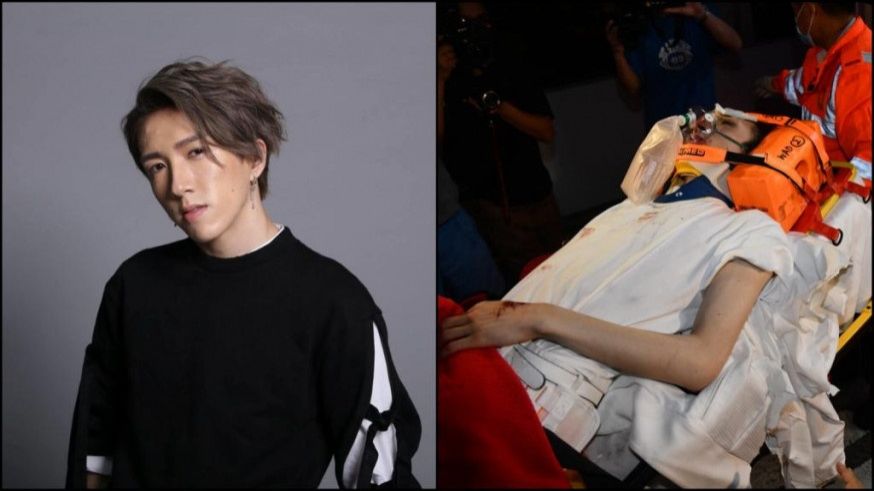
Mo Li Kai-yin, a 31-year-old Hong Kong dancer, has won a landmark compensation case after suffering catastrophic spinal injuries when a four-by-four-meter LED panel fell on him during a Mirror concert at Hong Kong Coliseum in July 2022. Hong Kong's District Court awarded him HK$6.29 million (approximately US$800,000 or RM3.32 million) in damages on June 15, ruling that his employer, Studiodanz, bears responsibility for the accident that left him paralyzed from the neck down.
The court's decision represents a significant victory for workplace safety accountability in Hong Kong's entertainment industry. In its judgment, the District Court described Mo's condition as involving "catastrophic disabilities and permanent total incapacity," concluding that he will require "lifetime constant care and attention" and is "incapable of ever leading or appreciating an independent adult life." This stark assessment underscores the severity of injuries sustained when the heavy screen fell during the fourth performance of Mirror's planned 12-concert series, an incident that fundamentally altered the trajectory of his professional and personal existence.
The compensation package reflects the comprehensive nature of Mo's long-term needs. Beyond the base damages award, the court awarded him the maximum available compensation across multiple categories including permanent total incapacity, ongoing caregiving expenses, periodic payments, and medical costs. These layered awards acknowledge that his recovery will extend far beyond immediate hospitalisation, encompassing decades of professional care and continued medical intervention. The judgment also mandated that Studiodanz cover Mo's legal expenses and pay interest on the awarded sum, reinforcing the court's assessment of the company's liability.
Mo's trajectory from promising performer to disabled person happened instantaneously. A cervical spine dislocation diagnosis followed the incident, requiring emergency surgery and intensive care at Queen Elizabeth Hospital. His subsequent treatment journey—spanning private medical institutions across Hong Kong and overseas locations—has centred on experimental rehabilitation approaches. These include regenerative medicine therapies and implantable microstimulators designed to restore neural function. While no cure exists for complete spinal paralysis, Mo has experienced modest gains, recovering some movement in his right arm and regaining sensation in bladder and bowel functions through this intensive program.
The accident occurred at a critical juncture in Mo's dance career. After developing an interest in dance during his university years between 2015 and 2019, he transitioned to full-time professional dancing in 2019. Over the subsequent three years, he had built a multifaceted career performing at concerts, television programs, and in advertisements and music videos. Simultaneously, he taught dance at four studios including Studiodanz itself, balancing instruction with performance and rehearsal commitments. The July 2022 accident essentially erased this carefully constructed professional identity at the moment when he appeared to be establishing stable momentum.
The human dimension of this tragedy extends to Mo's family, particularly his father, Reverend Derek Li Shing-lam. The pastoral minister made the extraordinary decision to resign from his ministry duties in Canada and return to Hong Kong to provide full-time care for his paralysed son. This choice reflects both the gravity of Mo's condition and the inadequacy of institutional care alone for someone requiring round-the-clock assistance. The court's findings confirm that Mo now requires three professional caregivers to manage his personal care and daily activities, yet his father's sacrifice demonstrates how such injuries ripple through entire family structures. Tragically, Reverend Li passed away on April 25, leaving Mo without his primary family caregiver.
Studiodanz's conduct throughout this process has been notable for its absence. The company did not participate in the trial, and while it faces the compensation judgment, it had already been fined HK$132,000 separately for occupational safety violations related to the incident. The company's non-participation suggests either acceptance of liability or strategic distance from the proceedings, yet the outcome makes clear that financial penalties alone cannot reverse the human devastation caused by inadequate safety protocols in the entertainment venue.
Mo's ongoing recovery journey offers glimpses of resilience amid profound constraint. Recent months have shown measurable progress in his rehabilitation efforts. A video posted on his Instagram account in March documented him steering an electric wheelchair independently using his right hand—a capability that would have seemed impossible in the immediate aftermath of his injury. These incremental gains, while modest compared to his lost ability to dance and move freely, represent victories in a longer struggle toward functional independence and quality of life.
For the broader entertainment industry across Southeast Asia, this judgment carries sobering implications regarding workplace safety standards. Hong Kong's entertainment venues host major regional productions, and performers from across Asia participate in these events. The Mo Li Kai-yin case demonstrates that courts will hold employers accountable for catastrophic failures in safety infrastructure, and that compensation awards can reach substantial levels when permanent disability results from negligence. Venues and production companies throughout the region should examine their equipment maintenance protocols, safety certifications, and risk management procedures to prevent similar tragedies.
The case also highlights gaps in how entertainment industry practices treat performer welfare. Unlike more heavily regulated sectors, concert and performance production often operates under tighter timelines and budgetary constraints that can create pressure to overlook maintenance or safety concerns. Mo's experience serves as a cautionary tale about the true cost of such shortcuts—costs that extend far beyond financial compensation to encompass lifelong dependency, family disruption, and the loss of professional identity and independence that individuals take for granted until catastrophe strikes.
Mo continues his rehabilitation program with determination, pursuing experimental treatments and adaptive technologies that might restore further function. While the HK$6.29 million award provides financial resources to support his needs indefinitely, no sum can restore his capacity to perform the art form he had chosen as his life's work. His case stands as a sobering reminder of how a single moment of preventable negligence can permanently rewrite someone's life story, and of the imperative for entertainment venues to prioritise safety infrastructure with the seriousness it demands.