The independent panel investigating Hong Kong's catastrophic Wang Fuk Court fire will proceed without seeking statutory powers, a decision that has alarmed survivors and advocates concerned about the depth and scope of the inquiry. Justice David Lok Kai-hong, who chairs the committee, announced the panel's position as hearings resumed following a six-week adjournment, signalling the investigation will operate within its existing voluntary framework rather than petitioning the chief executive to elevate it to a formal statutory commission of inquiry.
This choice carries significant implications for how thoroughly the probe can examine the fire and hold responsible parties accountable. A statutory commission of inquiry would grant the panel compulsory powers to summon witnesses, demand documents, and compel testimony under oath with legal consequences for non-compliance. Without such authority, the committee relies on cooperation from individuals and organisations, creating potential loopholes where reluctant parties might withhold information or refuse participation altogether. For survivors and their families seeking answers about how the disaster occurred and what systemic failures enabled it, this voluntary structure represents a fundamental constraint on investigative reach.
The Wang Fuk Court fire, which claimed lives and displaced residents in one of Hong Kong's densest urban neighbourhoods, prompted immediate calls for a rigorous public inquiry into building safety standards, emergency response procedures, and fire prevention measures. The tragedy exposed questions about maintenance protocols in ageing public housing, inspection regimes, and whether adequate safeguards existed to protect occupants in high-rise structures. An independent committee was subsequently established to examine these issues, but questions have persisted about whether a non-statutory body possesses sufficient tools to deliver a comprehensive account.
The decision to forgo statutory status reflects institutional considerations within Hong Kong's governance framework. The chief executive retains discretion over whether to grant such elevated investigative authority, and declining to request it may reflect political calculations about scope, duration, and potential findings. However, the practical effect is to limit what the committee can definitively establish and recommend. Witnesses who might otherwise face perjury charges for misleading statements under oath may calculate differently when testimony is voluntary. Organisations resistant to releasing sensitive documents cannot be compelled to do so through legal mechanism, only through negotiation or public pressure.
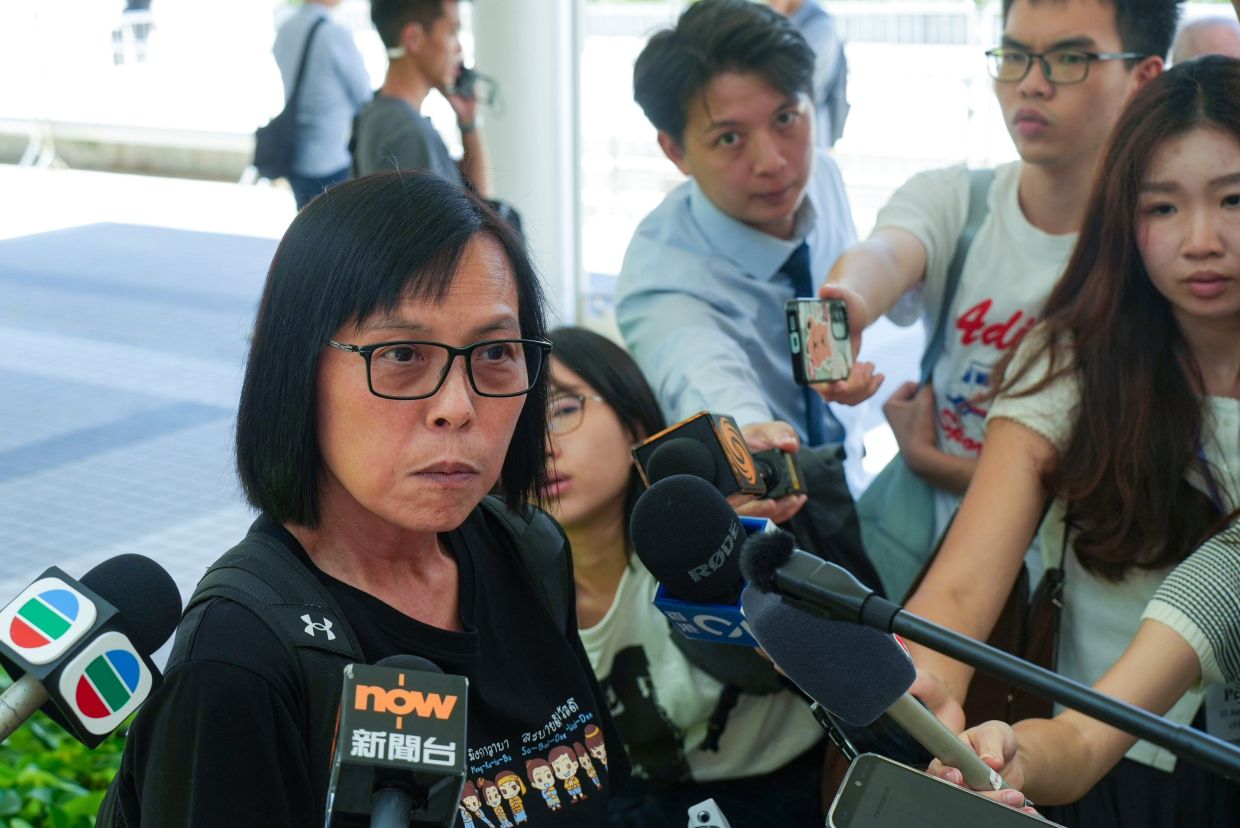
Survivors and advocacy groups have expressed frustration at the constraint. Families who lost relatives or experienced trauma want assurance that no stone remains unturned, that powerful institutions cannot deflect scrutiny through procedural objections or claims of confidentiality. The decision to maintain a non-statutory framework, even temporarily, suggests the inquiry may complete its work without ever acquiring the enforcement mechanisms that would maximise candour and completeness. This becomes particularly significant if the investigation uncovers evidence implicating government agencies, property management companies, or regulatory bodies whose institutional interests might otherwise encourage opacity.
The broader context matters for understanding what is at stake. Hong Kong's public housing sector serves millions of residents, many in buildings constructed decades ago when fire safety standards differed substantially from current requirements. The Wang Fuk Court fire raised urgent questions about whether similar risks exist elsewhere in the public housing stock and whether inspection and maintenance systems remain adequate. A comprehensive statutory inquiry might identify systemic vulnerabilities requiring urgent remediation across multiple properties. A more limited investigation operating without compulsory powers might miss patterns, documentation, or institutional knowledge critical to preventing future tragedies.
Regional observers watching Hong Kong's post-pandemic governance note that public confidence in official investigations has become increasingly important for institutional legitimacy. In neighbouring jurisdictions including Malaysia, Singapore, and Taiwan, major disaster inquiries typically receive statutory authority precisely because stakeholders recognise that voluntary cooperation insufficient to satisfy public expectations or establish definitive accountability. Hong Kong's choice to proceed otherwise sets a different precedent, one that may reassure institutional interests but potentially diminishes public assurance that the full truth will emerge.
The resumed hearings will continue examining evidence related to the fire, witness testimony, and technical factors. However, the decision against seeking statutory status means the committee operates with an inherent structural limitation that cannot be remedied retroactively. If crucial information surfaces later that was not uncovered during the investigation, or if parties refused cooperation knowing no legal consequences attached, the limited framework cannot be expanded after the fact. This one-directional constraint becomes embedded in how the inquiry proceeds and what conclusions it can defend.
Looking forward, survivors and their legal representatives will likely seek to work within the voluntary framework while simultaneously documenting any instances where cooperation proves inadequate. Public advocacy may yet pressure for eventual elevation to statutory status, though the political calculations that led to this initial decision may prove persistent. The inquiry's credibility will ultimately depend on whether its investigation reveals sufficient truth despite the absence of compulsory powers, or whether its findings appear incomplete due to limitations inherent in the chosen framework.