Hong Kong authorities have made significant headway against cybercriminal activity by apprehending two men allegedly behind a sophisticated phishing operation that extracted more than HK$500,000 from unsuspecting victims. The Police Force announced the arrests on Saturday, revealing details of an investigation that uncovered a remarkably organised fraud network operating from a hotel room equipped with professional-grade telecommunications infrastructure.
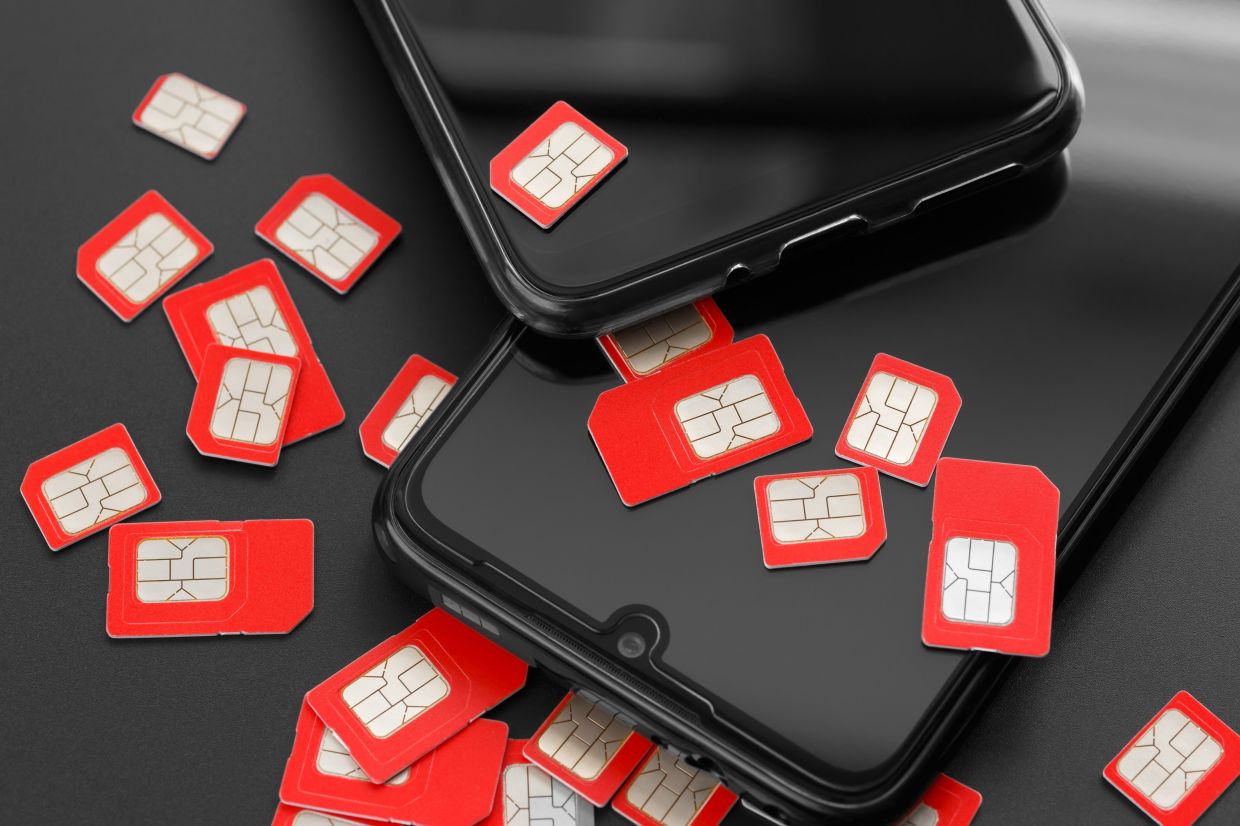
The two suspects, aged 31 and 44 respectively, were detained last Thursday on charges of conspiracy to defraud. Officers discovered they had assembled an extensive arsenal of communication tools designed specifically to enable mass-scale fraudulent messaging campaigns. Central to their operation was a modem pool—a sophisticated device allowing simultaneous control of multiple SIM cards—complemented by nine mobile phones and a cache of 110 active SIM cards all registered under real names obtained through various individuals.
Inspector Kwan Yat-hei of the fraud division under the Police Force's commercial crime bureau outlined the mechanics of the scheme. The fraudsters deployed multiple deceptive tactics, alternating between impersonating courier company representatives who claimed victims had uncollected parcels and posing as financial services employees informing targets of erroneous insurance subscription charges requiring immediate payment. These initial deceptive messages served as bait to entice victims into calling numbers provided within the communications, numbers that connected them directly to the criminals' fake customer service hotlines.
Once contact was established, the perpetrators employed psychological manipulation to convince victims to transfer funds. Using fabricated justifications and manufactured urgency, they directed money transfers into designated bank accounts under their control. The investigation revealed that more than 2,000 suspected fraudulent messages originated from the hotel-based operation, with investigators managing to trace intercepted phone numbers connected to recently reported scam cases involving losses exceeding HK$500,000.
The discovery of this operation highlights an increasingly prevalent crime pattern affecting the region. Phishing and telecommunications fraud have emerged as major concerns across Southeast Asia, with criminals adapting their techniques to exploit the ubiquity of mobile communications and the relative ease of acquiring SIM cards through third parties. Hong Kong's implementation of mandatory real-name registration requirements for all SIM cards since March 2022 was intended to create accountability and prevent exactly this type of large-scale anonymous operation, yet fraudsters found workarounds by obtaining cards registered to unwitting accomplices or legitimate individuals.
The hotel room functioning as operational headquarters represents a deliberate choice reflecting how modern fraud networks operate. Rather than attempting to conceal their activities across geographically dispersed locations, the suspects consolidated their operation in a single controllable space where they could maintain equipment, coordinate messaging campaigns, and respond to victim interactions in real time. This centralisation made them vulnerable to detection once authorities identified patterns in the phishing messages and initiated surveillance operations.
Inspector Kwan emphasised that the investigation remains ongoing and warned of the likelihood of additional arrests as police pursue connections to other individuals involved in the supply chain. This acknowledgment reveals the layered structure typical of such operations, wherein several participants play supporting roles—from SIM card suppliers to individuals facilitating financial transfers through their bank accounts. Each layer presents enforcement opportunities but also complicates prosecution efforts as authorities must establish complicity versus unwitting participation.
The legal framework in Hong Kong provides substantial penalties for those convicted. Conspiracy to defraud carries a maximum sentence of 14 years imprisonment, a significant deterrent intended to reflect the severity of organised financial crime. Nevertheless, the persistence of such schemes suggests that awareness of legal penalties may not effectively deter participation, particularly among individuals recruited through financial incentives or coercion to provide SIM cards or banking access.
The Police Force issued warnings directly addressing public vulnerability to such schemes. Residents have been advised never to contact numbers appearing in unsolicited messages, no matter how authentic they appear, and crucially, never to lend or sell SIM cards to unknown parties. Inspector Kwan stressed that individuals discovered to have permitted their registered SIM cards to be used for fraudulent purposes could face criminal liability themselves for abetting criminal activity, a position that transfers some responsibility to ordinary citizens for safeguarding their telecommunications identity.
The broader context for Malaysian readers lies in recognising that phishing and telecommunications fraud operate across borders and often target regional populations indiscriminately. Criminals conducting operations from Hong Kong may well target Malaysian phone numbers, and vice versa. The techniques deployed—spoofing delivery company identities, fabricating financial service alerts, directing victims to fake hotlines—translate readily across linguistic and national boundaries. This case demonstrates how professional criminal networks exploit gaps between regulatory frameworks in different jurisdictions.
Moreover, the ease with which the fraudsters assembled 110 registered SIM cards suggests systemic vulnerabilities in identity verification processes. Though Hong Kong mandates real-name registration, the requirement does not prevent collusion among individuals willing to provide their identification for compensation. This vulnerability likely exists similarly across Southeast Asian telecommunications markets, where regulation may be less stringent. The scale of the Hong Kong operation—managing over 2,000 fraudulent messages while maintaining operational security sufficient to evade detection for some period—indicates these are not opportunistic criminals but organised groups with sufficient resources and expertise to sustain sustained campaigns.
As investigations proceed and additional arrests materialise, authorities will likely publish findings about how the fraudsters laundered proceeds, who facilitated money transfers, and which international networks they connected to. Such intelligence proves invaluable for regional cooperation frameworks like ASEAN in coordinating cross-border enforcement responses to cybercriminal organisations. For individual consumers across Malaysia and the region, this case reinforces fundamental security practices: treating unexpected communications about packages or financial obligations with extreme scepticism, never initiating contact through numbers provided by unsolicited messages, and recognising that legitimate organisations will not demand immediate payment to resolve administrative issues.

