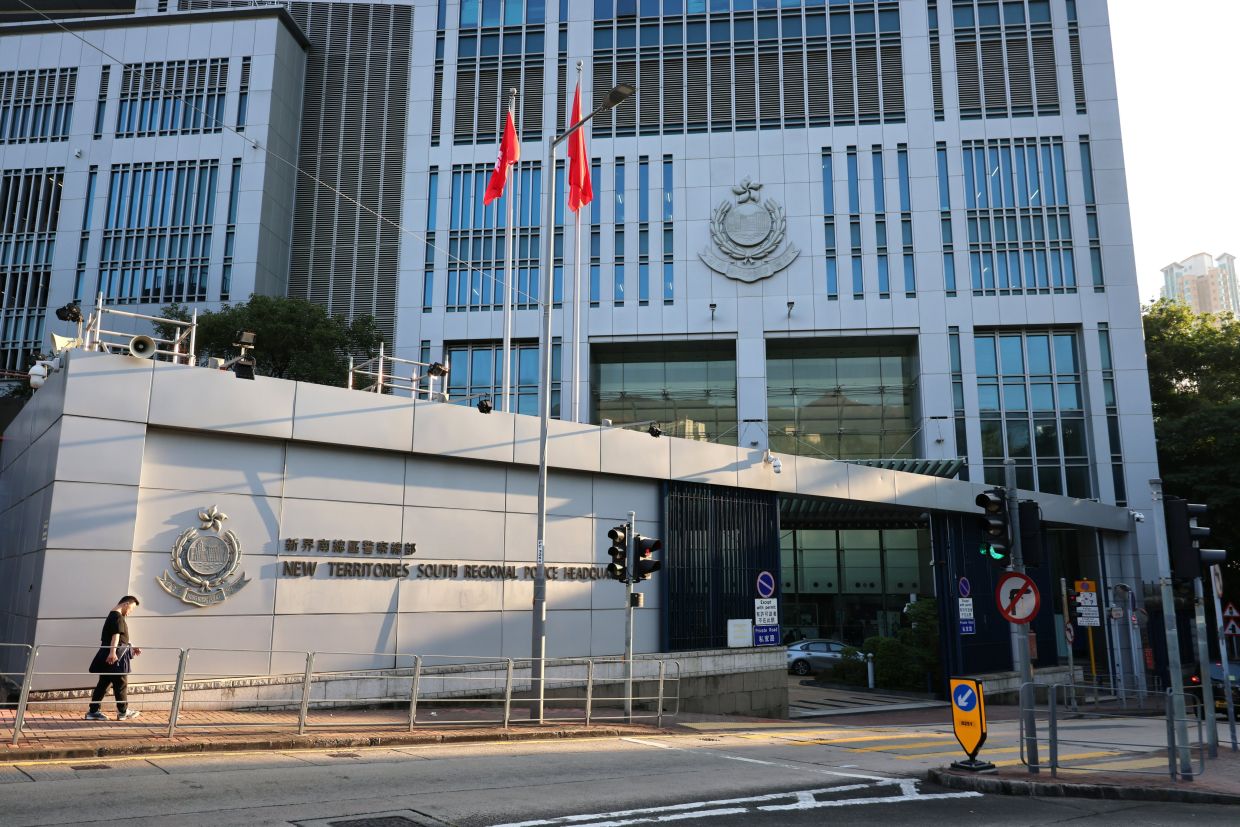
A Hong Kong police officer has been formally charged with misconduct in public office following an investigation into inappropriate communications sent to a woman during an active criminal case. The 32-year-old constable from Kwai Tsing police district was detained by officers from the New Territories South regional crime unit in Tuen Mun on August 20, according to statements released by the Hong Kong Police Force on Thursday.
The incident emerged from a criminal investigation that began in May of the previous year. While working that case, the officer allegedly made contact with a friend of one of the suspects under investigation and proceeded to send her a series of indecent text messages alongside explicit images. The nature and context of these communications represent a serious breach of professional conduct standards expected of law enforcement personnel in Hong Kong.
The woman who received the messages did not immediately report the conduct to authorities, but came forward later that same month with her complaint. Her decision to lodge a formal report triggered a disciplinary inquiry that ultimately led to the charges now facing the officer. The timeline between the alleged misconduct and the formal charge—spanning more than a year—reflects the thoroughness of the investigation process undertaken by the force's internal affairs division.
The indecent communications case underscores growing concerns about police conduct and abuse of authority in Hong Kong. The woman's account drew attention to the troubling dynamic whereby officers investigating a case might exploit their official position and access to information to contact individuals tangentially connected to suspects. This type of misconduct exploits the inherent power imbalance present in police-citizen interactions and raises questions about safeguards within the force to prevent officers from weaponising their investigative access for personal purposes.
The officer is scheduled to appear before Sha Tin Court on Friday to face the single charge of misconduct in public office under Hong Kong law. This charge carries significant penalties and represents the formal acknowledgment that his conduct fell below the standards required of police personnel. Pending the court proceedings, the officer has been suspended from active duty, effectively removing him from frontline policing responsibilities while the case progresses through the judicial system.
The Hong Kong Police Force responded to the incident with a statement emphasising its commitment to professional standards and ethical conduct among its ranks. A police spokesman indicated that the force "attached great importance to officers' conduct" and would "not tolerate any unlawful behaviour," pledging that any substantiated misconduct would be dealt with severely. This public posture reflects the need for the force to maintain public confidence at a time when trust in Hong Kong's institutions remains contested.
The case carries implications for police accountability mechanisms in Hong Kong and across the region. For Malaysian observers, the incident demonstrates both the risks of unchecked police authority and the importance of robust internal oversight systems capable of investigating and prosecuting officers who abuse their position. In Malaysia's own police force, similar concerns around officer conduct and public trust have periodically surfaced, making the Hong Kong prosecution a relevant reference point for regional discussions about professionalisation and accountability.
The broader context in Hong Kong involves heightened scrutiny of law enforcement practices and public confidence questions that have accumulated over several years. Cases involving officer misconduct, whether directly criminal or disciplinary in nature, receive considerable public attention and media coverage. The transparent handling of this particular case—with public announcements of detention, charging, and court appearance—represents an effort to demonstrate that investigative processes apply equally to police personnel as to civilians.
For police forces throughout Southeast Asia, including Malaysia, such cases underscore the necessity of establishing clear codes of conduct, accessible complaint mechanisms for the public, and impartial investigation units capable of examining officer behaviour without institutional bias. The Hong Kong Police Force's willingness to charge one of its own members sends a signal to the public that wrongdoing will not be overlooked based on professional status or position within the hierarchy.
The incident also highlights the vulnerability of individuals connected to criminal suspects who may interact with investigating officers. Protection mechanisms ensuring that contacts with suspects' families, friends, and associates remain professionally bounded and appropriately documented represent an important safeguard. In cases involving allegations of sexual misconduct or harassment, clear protocols and witness protections become essential to encouraging reporting and preventing further victimisation.
As the case proceeds through Hong Kong's court system, the outcome will likely influence discussions about police reform, officer training standards, and complaint-handling procedures. The conviction or acquittal will provide important precedent for how Hong Kong's legal system treats allegations of official misconduct involving harassment and abuse of investigative authority. For regional observers and police leadership across Asia, the case offers a practical demonstration of how established institutions can address internal misconduct through formal legal channels rather than disciplinary resolution alone.

