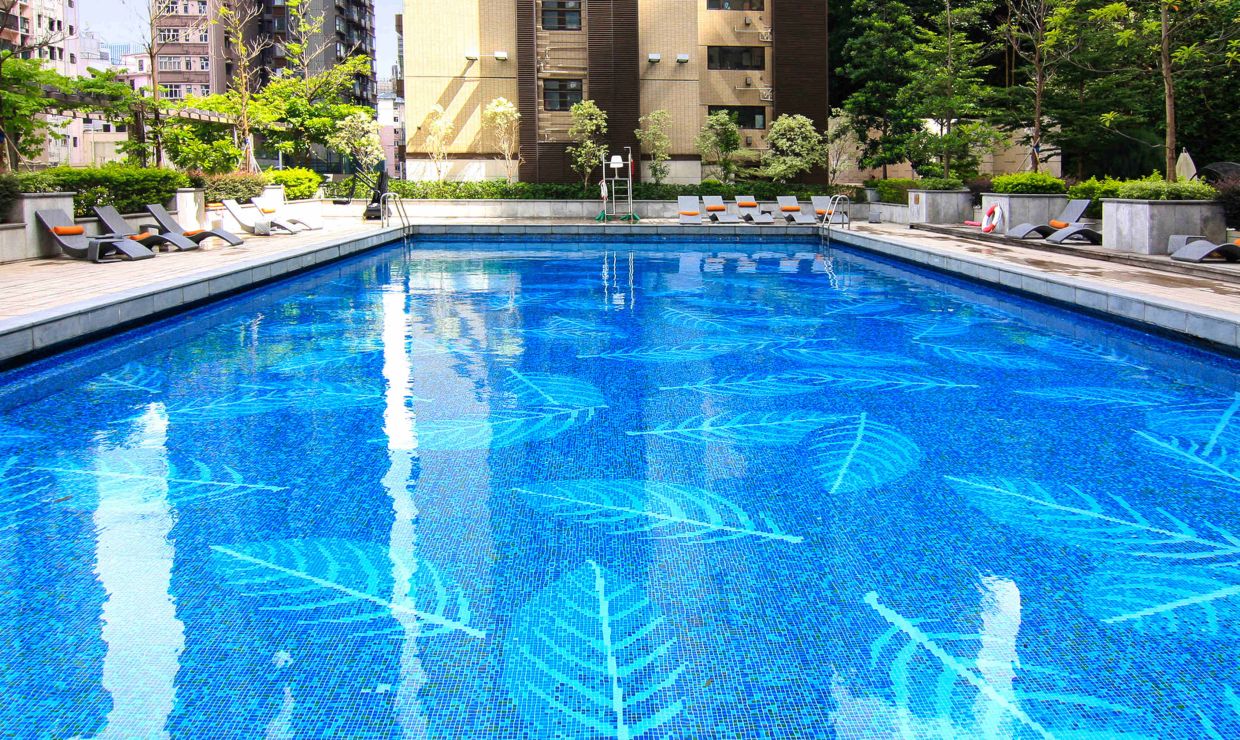
A private swimming pool serving residents at an elite Hong Kong housing estate has been forced to cease operations following the discovery that one of its lifeguards was working with falsified qualifications, raising fresh concerns about safety oversight at licensed recreational facilities across the territory. The Food and Environmental Hygiene Department (FEHD) made the discovery at the pool located at 1-5 Ventris Road in Happy Valley, a densely populated residential district known for its historic horse-racing facilities and expensive property values, after cross-referencing staff credentials with the Hong Kong China Life Saving Society's official records.
The authorities moved swiftly to shut the facility after determining that the lifeguard's qualifications could not be verified against legitimate documentation held by the regulatory society, leaving the pool in violation of statutory requirements that mandate a minimum number of trained and certified safety personnel on premises during all operational hours. Government officials indicated that the immediate closure was necessary because the facility had fallen below the legally prescribed staffing standards once the suspect lifeguard was deemed unfit for duty. The decision underscores the critical role that qualified lifeguards play in maintaining public safety at recreational water facilities, particularly in a densely populated urban environment where pools serve hundreds of residents across multiple age groups.
Investigators from the FEHD had submitted batches of lifeguard employment records to the Hong Kong China Life Saving Society on Wednesday for verification purposes, receiving confirmation of the discrepancy the following day. This rapid turnaround enabled authorities to take immediate enforcement action, demonstrating the efficiency of the cross-verification system that has been implemented to combat fraudulent credentials. The pool's operating license has been suspended pending the outcome of further investigations, and the FEHD has signalled its intention to pursue criminal prosecution against the facility's licensee for maintaining insufficient qualified personnel and potentially tolerating document fraud on its premises.
Beyond the immediate facility closure, authorities have referred the matter to police for investigation into the suspected creation and use of fraudulent documents, a serious criminal offense under Hong Kong law. The Property Management Services Authority, which oversees private residential complexes, has also been notified to conduct its own inquiry and determine what additional oversight measures may be necessary at the Winfield Building, the residential complex housing the closed pool. This multi-agency approach reflects the seriousness with which Hong Kong authorities are treating breaches of public safety standards, particularly in sectors where lapses could directly endanger residents, including children and non-swimmers.
The incident comes as part of an intensified regulatory campaign that began in May of last year, when the FEHD implemented stricter verification requirements for all private pool licensees across Hong Kong. These enhanced measures require facility operators to physically inspect lifeguards' identity documents before hiring them and maintain copies of all Pool Lifeguard Award certificates along with personal duty logbooks. Additionally, all attendance records must be certified and signed by both the lifeguards themselves and supervisory staff designated by the pool operator, creating a chain of accountability that makes fraudulent documentation more difficult to introduce and maintain undetected.
To enforce these new standards, the FEHD has substantially escalated its inspection programme. Between January and July of this year alone, government inspectors conducted approximately 7,000 compliance checks at more than 1,400 licensed private swimming pools across Hong Kong, during which they verified the qualifications of around 2,100 individual lifeguards. This massive inspection effort represents a significant allocation of regulatory resources and indicates that authorities view the credentialing crisis as sufficiently serious to warrant extraordinary oversight measures. The scale of verification activity suggests that fraud in lifeguard credentials may have been more widespread than initially apparent, prompting the government to adopt a comprehensive auditing approach.
This Happy Valley case represents the second confirmed instance in recent years of facilities attempting to deploy unqualified or improperly credentialed lifeguards, with another similar violation uncovered during the previous year following the implementation of stricter protocols. The recurrence indicates that despite regulatory tightening, some pool operators may be attempting to circumvent requirements, either through cutting corners on hiring procedures or through deliberate tolerance of fraudulent documentation. The motivations behind such violations likely include cost reduction, staffing shortages, or simple negligence in verifying employee qualifications before assignment to safety-critical positions.
For regional observers in Southeast Asia, the Hong Kong enforcement action carries broader implications regarding residential and recreational facility management standards. Many regional jurisdictions face similar challenges in ensuring that private facility operators comply with safety requirements, particularly in rapidly developing urban areas where residential complexes proliferate and regulatory capacity may lag behind growth. The Hong Kong case demonstrates both the necessity of rigorous credentialing verification systems and the challenges authorities face in maintaining comprehensive oversight across hundreds of privately operated facilities serving hundreds of thousands of residents.
The FEHD has indicated that it plans to intensify surprise inspections and unannounced spot checks during peak swimming seasons, when usage reaches maximum levels and safety risks are correspondingly elevated. This enforcement escalation represents a deliberate shift toward more intensive monitoring approaches rather than relying solely on scheduled compliance reviews or self-reporting by facility operators. The strategy reflects a recognition that some licensees may attempt to revert to non-compliant practices during periods when inspection frequency appears to decline, making unpredictable enforcement more effective as a deterrent to fraudulent hiring practices.
Beyond the immediate enforcement action, the Happy Valley case highlights broader questions about the adequacy of credentialing systems for safety-critical positions across multiple sectors in Hong Kong and the region. The fact that a lifeguard could operate with fraudulent credentials long enough to be discovered during a routine audit suggests that the initial hiring verification procedures may have been insufficiently rigorous, or that the falsified documents were sophisticated enough to evade initial scrutiny. As residential complexes continue to proliferate throughout Southeast Asia and competing facilities seek cost advantages through cutting corners on personnel qualifications, similar compliance challenges are likely to emerge elsewhere in the region, making Hong Kong's experience instructive for policymakers and facility operators beyond the territory itself.

