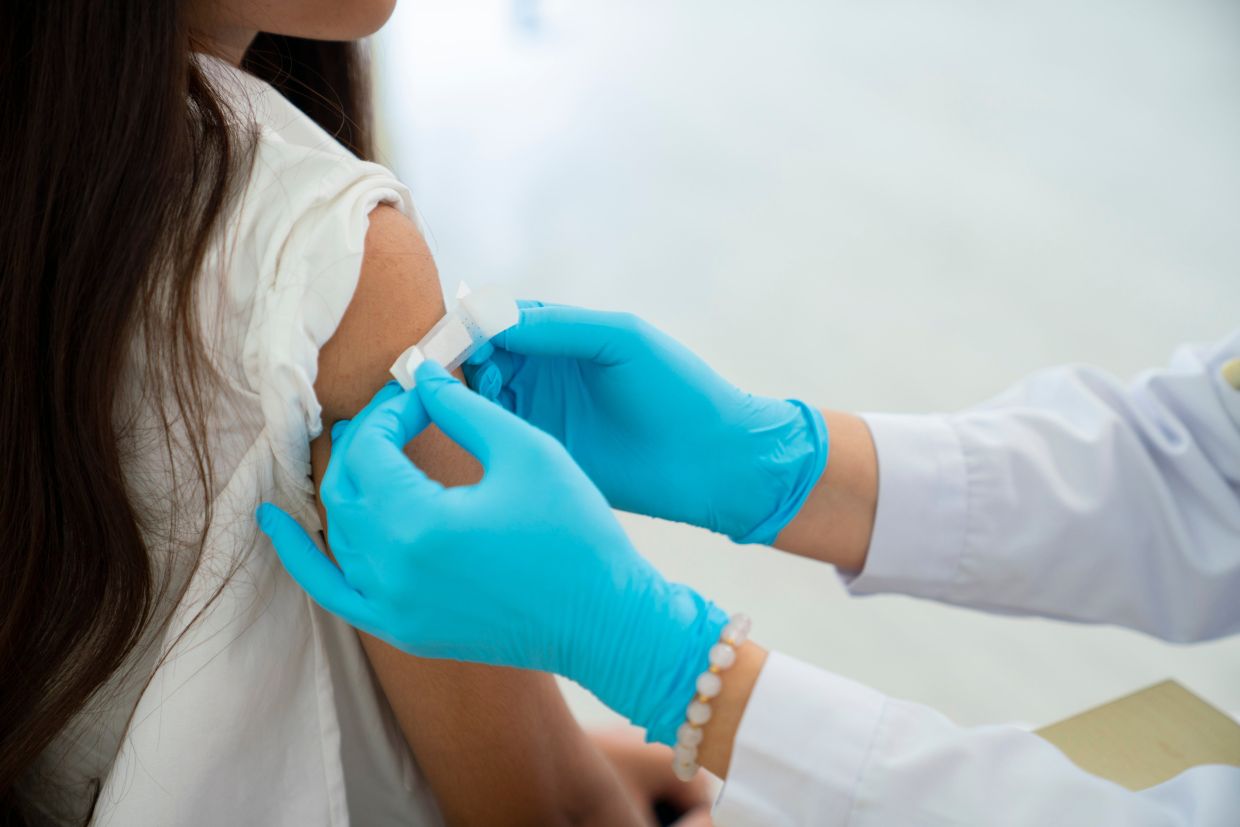
Hong Kong's health authorities are moving to reassure the public about the necessity of childhood vaccinations, pushing back against global trends toward vaccination rollbacks that have been prompted by new policies in the United States. The Centre for Health Protection issued a statement defending the city's immunisation framework, emphasising that all public health decisions must be grounded in rigorous scientific research rather than ideological preferences or parental hesitation. The timing of this intervention is significant, coming as the US administration has begun limiting vaccination requirements for children, creating potential ripple effects across the region that could undermine decades of disease prevention efforts.
Under Hong Kong's Childhood Immunisation Programme, youngsters from infancy through Primary Six must receive vaccines protecting against a comprehensive list of infectious diseases, including tuberculosis, poliomyelitis, hepatitis B, diphtheria, pertussis, tetanus, pneumococcal infection, chickenpox, measles, mumps and rubella. The programme also extends to human papillomavirus vaccinations for eligible primary school girls seeking protection against cervical cancer. This multi-disease approach reflects medical best practice, designed to eliminate preventable childhood illnesses that once claimed thousands of lives annually across Asia. The breadth of the Hong Kong schedule reflects lessons learned from outbreaks in earlier decades when such protections were unavailable.
The Centre for Health Protection explicitly warned against the dangers of deferring vaccinations, noting that delays directly reduce children's protection against dangerous infectious diseases. Officials emphasised that vaccination schedules should only be modified based on credible scientific data and medical research, warning that arbitrary changes pose "significant and irreversible public health risks to children." This language reflects deep concern among public health officials that once vaccination coverage drops below critical thresholds, herd immunity breaks down and diseases can resurge rapidly through vulnerable populations, including infants too young to be vaccinated. Recent measles outbreaks in Europe and the United States have demonstrated precisely this danger.
The US executive order signed by President Donald Trump represents a dramatic shift in American vaccination policy, recommending that certain immunisations—including those for respiratory syncytial virus, hepatitis A and B, meningococcal strains, and dengue—be administered only to "certain high-risk groups or populations" rather than universally. More significantly, the federal government has committed to challenging state laws that currently require childhood vaccinations as a condition of school enrollment, claiming such legislation violates parental authority, religious freedom, and disability accommodation protections. These moves signal a fundamental reorientation away from the public health consensus that has governed childhood immunisation for generations.
For Southeast Asian nations including Malaysia, the implications extend beyond Hong Kong's borders. Regional health systems have historically aligned with international vaccination standards and often look to major developed economies for guidance on best practices. A significant retreat by the US from universal childhood vaccination programmes creates ambiguity that anti-vaccination movements can exploit, potentially undermining vaccination coverage rates across the region. This is particularly concerning given that several diseases on the Hong Kong immunisation schedule—tuberculosis, dengue, and others—remain endemic in parts of Southeast Asia, making regional vaccination coordination essential for disease control.
The situation in Hong Kong has been further complicated by a recent court case involving a child in government care. Parents of an infant placed under Social Welfare Department guardianship filed for legal review of custody arrangements, specifically objecting to the department's plan to vaccinate the child. The parents characterised vaccination as an unwanted "medical intervention," prompting them to seek a writ of habeas corpus from the High Court. This case illustrates how vaccination has become entangled with broader questions of parental rights and state authority, transforming a straightforward public health matter into a contested legal and philosophical issue.
Hong Kong's Centre for Health Protection controller Dr Edwin Tsui Lok-kin acknowledged in his statement that the success of the childhood immunisation programme rests fundamentally on parental trust and professional support. He noted that historically high immunisation coverage in the city has enabled authorities to maintain extremely low incidence rates for childhood infectious diseases—a public health achievement that requires continuous maintenance. The implication is clear: erosion of public confidence in vaccination, whether from US policy shifts or local legal challenges, directly threatens this hard-won protection. Once vaccination coverage falls below approximately 85-95 percent for most diseases, herd immunity collapses and outbreaks become inevitable.
Defending the use of combination vaccines, which protect against multiple diseases with fewer injections, Hong Kong authorities emphasised both safety and practical benefits. Combination vaccines reduce the total number of injections children must endure, thereby lowering the risk that parents will miss scheduled doses and leaving children unprotected. These vaccines have been proven safe and effective through extensive global use, with data accumulated across billions of doses administered worldwide. The practical advantage of reducing injection burden is often overlooked but represents a genuine contribution to maintaining high vaccination coverage, as parental anxiety about frequent medical procedures can sometimes lead to delayed or skipped vaccinations.
The contrast between Hong Kong's evidence-based approach and the ideologically driven rollbacks in the United States underscores a fundamental tension in modern public health. Scientific consensus on vaccination safety and efficacy has been built through decades of research, surveillance data, and real-world outcomes, yet this consensus faces increasing political challenge. For Malaysian policymakers and health authorities, Hong Kong's experience offers both a model to emulate and a cautionary tale about the fragility of public health achievements. The city's decision to defend vaccination based on science rather than accommodate political pressure represents a choice that other regional governments may soon face themselves.
Looking ahead, the divergence between American and Asian approaches to childhood vaccination could reshape the global health landscape. If US policy changes catalyse vaccination declines in other developed nations, diseases long considered conquered could return. For developing economies like Malaysia, already stretched in health resources, managing disease outbreaks requires robust prevention through high vaccination coverage. Hong Kong's firm stance in favour of maintaining existing childhood immunisation programmes signals that at least some regional health authorities intend to preserve the scientific foundations of vaccination policy regardless of international political shifts.

