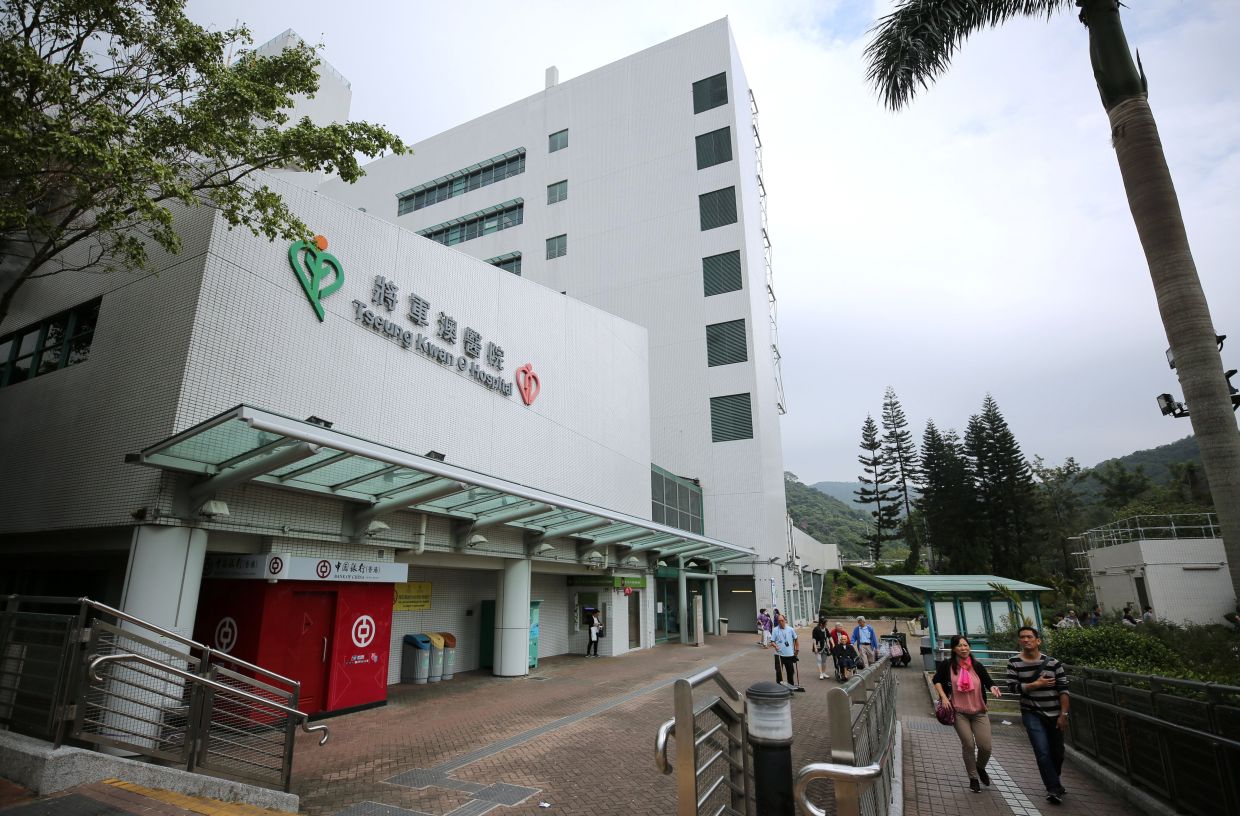
An elderly Hong Kong patient died in March after undergoing abdominal surgery in which a surgeon wrongly operated on her stomach instead of her colon, according to findings released this week by Tseung Kwan O Hospital. The case has reignited debate over medical accountability in the city's public healthcare system and prompted calls for disciplinary action against the surgeon involved, with a former legislator arguing that the error represents a fundamental lapse in surgical practice.
The 85-year-old woman had arrived at the hospital seeking relief from obstructive sigmoid colon cancer, a serious intestinal blockage requiring urgent intervention. Her doctors planned to perform a transverse colostomy, a well-established surgical procedure in which surgeons create an opening in the abdominal wall to allow waste to bypass the affected portion of the intestine. The operation took place on February 7, but critical mistakes during the procedure set in motion a chain of events that would culminate in her death just weeks later.
Initially, the patient's vital signs appeared reassuring following surgery, which might have caused medical staff to miss early warning signs of the catastrophic error. However, doctors noticed something unusual: the surgical opening was producing abnormally high output, a symptom that should have prompted immediate investigation. Despite this red flag, the monitoring of her condition appears to have been inadequate, and the significance of this finding was not properly escalated among the surgical team. The patient was subsequently transferred to Haven of Hope Hospital for rehabilitation and further care.
The true nature of the surgical error only became apparent weeks later when the patient's condition deteriorated sharply. On March 1, she developed dangerous drops in blood pressure accompanied by an elevated heart rate, necessitating her return to Tseung Kwan O Hospital on March 2. A computed tomography scan finally revealed the catastrophic mistake: the stoma had been created in the stomach rather than in the colon as intended. This discovery came far too late for meaningful intervention. Her health declined rapidly, and after her family consented to a do-not-attempt-resuscitation order, she died on March 3.
The hospital's investigation into the February incident concluded that the surgeon had fallen victim to "confirmation bias" when identifying anatomical structures inside the abdominal cavity. In medical practice, confirmation bias occurs when practitioners unconsciously interpret ambiguous physical findings in ways that align with their initial expectations, rather than objectively verifying what they observe. According to the hospital's report, the surgeon exteriorised the stomach instead of the transverse colon without performing the additional confirmation steps that should have been standard protocol in such a procedure.
Beyond the surgeon's individual error, the investigation identified systemic failures throughout the surgical team and broader hospital structure. Healthcare staff involved in the operation lacked sufficient experience to catch the mistake, suggesting possible gaps in training or supervision. Communication between the surgical team and the rehabilitation team that subsequently cared for the patient was poor, meaning that warning signs were never properly escalated. The unusually high stomal output—which should have triggered immediate specialist review—was inadequately monitored and not recognized as an emergency alert requiring urgent reassessment. These compounding failures transformed a single surgical error into a fatal cascade of preventable complications.
Former lawmaker Michael Tien Puk-sun responded to the investigation findings with sharp criticism of both the surgeon and the hospital's broader governance. He pointed out that the surgeon in question had a history of prior errors, raising questions about whether appropriate action had been taken following those incidents. Tien called for consideration of demotion or dismissal, arguing that allowing the surgeon to continue practising damages Hong Kong's international reputation as a medical hub. His comments reflect growing frustration among the public and political establishment with what they perceive as inadequate accountability measures following serious medical mishaps.
The recommendations emerging from the hospital's investigation address both individual practice standards and organisational structures. The panel proposed comprehensive reviews of clinical governance within the surgery department and mandated that surgical teams remain involved in overseeing patients even after transfers to other facilities. Stoma and wound care specialists must now assess all post-operative patients with proper documentation and timely reporting to prevent future oversights. These measures aim to create redundancy in oversight systems so that errors cannot slip through undetected.
Tseung Kwan O Hospital announced that it has already begun implementing these recommendations, undertaking a restructuring of the department of surgery under a cluster-based governance model intended to improve accountability and coordination. The hospital indicated that it would pursue human resources procedures against the doctors involved and is considering referral to the Medical Council, which regulates medical professionals in Hong Kong. These follow-up actions may potentially result in formal disciplinary sanctions or restrictions on the surgeon's ability to practise.
The case carries significant implications for medical practice standards across Southeast Asia, where many healthcare systems grapple with similar challenges around ensuring accountability and preventing repeated errors. In Malaysia, where public hospitals handle substantial patient volumes, the Hong Kong case underscores the critical importance of robust surgical verification protocols and effective communication systems between clinical teams. The emphasis on confirmation bias as a root cause is particularly relevant, as it highlights how experienced practitioners can make fundamental errors unless rigorous systematic checks are maintained, regardless of individual competence levels or seniority.
%22%2F%3E%3C%2Fpattern%3E%3C%2Fdefs%3E%3Crect%20width%3D%22100%25%22%20height%3D%22100%25%22%20fill%3D%22url(%23ph4fciog)%22%2F%3E%3Crect%20width%3D%22100%25%22%20height%3D%22100%25%22%20fill%3D%22url(%23ph4fciop)%22%2F%3E%3Ctext%20x%3D%2250%25%22%20y%3D%2250%25%22%20text-anchor%3D%22middle%22%20dominant-baseline%3D%22central%22%20fill%3D%22rgba(255%2C255%2C255%2C0.95)%22%20font-family%3D%22Georgia%2C%20'Times%20New%20Roman'%2C%20serif%22%20font-weight%3D%22700%22%20font-size%3D%22170%22%20letter-spacing%3D%22-0.02em%22%3EMalaysia%3C%2Ftext%3E%3C%2Fsvg%3E)
%22%2F%3E%3C%2Fpattern%3E%3C%2Fdefs%3E%3Crect%20width%3D%22100%25%22%20height%3D%22100%25%22%20fill%3D%22url(%23ph54c9jg)%22%2F%3E%3Crect%20width%3D%22100%25%22%20height%3D%22100%25%22%20fill%3D%22url(%23ph54c9jp)%22%2F%3E%3Ctext%20x%3D%2250%25%22%20y%3D%2250%25%22%20text-anchor%3D%22middle%22%20dominant-baseline%3D%22central%22%20fill%3D%22rgba(255%2C255%2C255%2C0.95)%22%20font-family%3D%22Georgia%2C%20'Times%20New%20Roman'%2C%20serif%22%20font-weight%3D%22700%22%20font-size%3D%22170%22%20letter-spacing%3D%22-0.02em%22%3EJudicial%3C%2Ftext%3E%3C%2Fsvg%3E)
%22%2F%3E%3C%2Fpattern%3E%3C%2Fdefs%3E%3Crect%20width%3D%22100%25%22%20height%3D%22100%25%22%20fill%3D%22url(%23ph4wl2cg)%22%2F%3E%3Crect%20width%3D%22100%25%22%20height%3D%22100%25%22%20fill%3D%22url(%23ph4wl2cp)%22%2F%3E%3Ctext%20x%3D%2250%25%22%20y%3D%2250%25%22%20text-anchor%3D%22middle%22%20dominant-baseline%3D%22central%22%20fill%3D%22rgba(255%2C255%2C255%2C0.95)%22%20font-family%3D%22Georgia%2C%20'Times%20New%20Roman'%2C%20serif%22%20font-weight%3D%22700%22%20font-size%3D%22136%22%20letter-spacing%3D%22-0.02em%22%3EGovernment%3C%2Ftext%3E%3C%2Fsvg%3E)