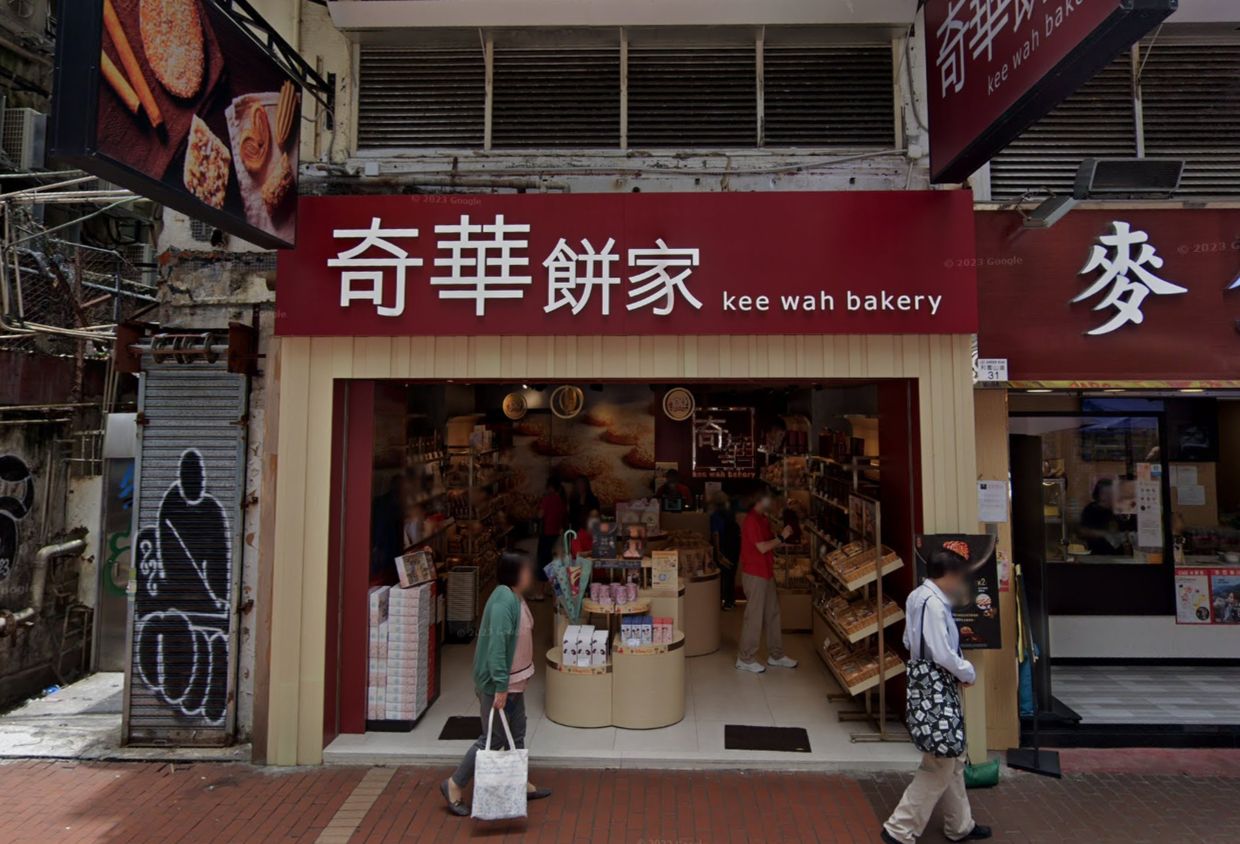
Kee Wah Bakery, one of Hong Kong's most recognizable names in pastries and baked goods, has become the latest victim of a ransomware attack, reigniting concerns about corporate cybersecurity vulnerabilities across Asia. The company disclosed the incident on Tuesday, four days after discovering that its internal network had been compromised on Friday. The revelation comes as the Hong Kong Privacy Commissioner's office launches its own examination into the breach, demanding specific details about the extent of potential data loss and the number of affected individuals.
The attack specifically targeted systems storing sensitive information spanning multiple stakeholder groups. Employee personal records, business partner details, customer information linked to the company's online store operations, and data associated with its mobile app user base all resided on the compromised network. Yet despite the breadth of potentially exposed records, Kee Wah Bakery has been unable to provide definitive confirmation about whether personal data was actually extracted by the attackers or remained secure despite the intrusion. This uncertainty has left customers, staff, and regulatory authorities in a holding pattern as forensic investigations continue.
The privacy implications extend well beyond a single bakery chain operating in Hong Kong. As regional consumers increasingly rely on mobile applications and e-commerce platforms for convenient shopping, the concentration of personal information across interconnected business systems creates cascading vulnerability. For Malaysian and Southeast Asian businesses operating similar digital infrastructure, the Kee Wah case illustrates how ransomware actors can achieve network access without sophisticated technical capabilities, potentially targeting entire supply chains and customer ecosystems in a single coordinated strike.
Responding swiftly to the discovery, Kee Wah Bakery engaged external cybersecurity specialists to forensically examine the extent of the compromise and implement defensive measures preventing secondary attacks. The company has acknowledged that its investigation and impact assessment remain incomplete, requiring ongoing technical verification. Officials have been careful to distinguish between system access and actual data exfiltration, noting that confirmation of stolen personal information is still pending. This distinction matters considerably for customers considering their exposure, as it may influence decisions about credit monitoring or account security changes.
Remarkably, the company has already determined that payment card data and customer financial information were not compromised in the attack. This finding, while reassuring for those concerned about fraudulent transactions or identity theft stemming from the incident, does not eliminate risks around other personal identifiers. Employee names, contact information, identification numbers, and mobile app user profiles could still enable targeted phishing campaigns, sim-swap fraud, or other forms of identity-based crimes if successfully extracted and sold on underground marketplaces.
The timeline of disclosure and official notification demonstrates an increasingly proactive approach by Hong Kong's regulated business environment. Kee Wah Bakery reported the incident to both the Office of the Privacy Commissioner for Personal Data and local police on Sunday, three days after the network malfunction first became apparent. By Tuesday, when the company made its public announcement, the privacy watchdog had already begun requesting substantive documentation about potential exposure. This relatively rapid response cycle contrasts sharply with how data breaches were historically handled across Asia, where companies often delayed disclosure until forced by regulators or journalists.
Communication with affected parties has commenced as a precautionary measure, according to official statements. Staff members, impacted customers, and business partners have been contacted to alert them about the breach and recommend protective actions. However, the company's inability to precisely identify which individuals should be concerned adds practical complications. Those operating the bakery's online store or mobile app may be unaware whether their specific transactions triggered records on the compromised system, creating ambiguity about who genuinely needs to implement defensive measures.
The Hong Kong Privacy Commissioner's investigation, now underway, will focus on specific data categories that may have been exposed and the total number of individuals potentially affected. These metrics matter considerably for determining whether the incident reaches the threshold triggering mandatory reporting obligations and whether coordinated consumer notification efforts will be necessary. For the broader Asia-Pacific region, including Malaysia where similar data protection frameworks are evolving, the outcome of this official inquiry will likely inform how companies assess their own compliance obligations and disclosure requirements.
Kee Wah Bakery's reputation as a heritage institution dating to 1938 may initially shield it from reputational damage, but customer confidence in data handling practices could still suffer long term. The company's commitment to comprehensive cybersecurity review and implementation of expert recommendations represents the immediate corrective path. However, technology investments alone cannot fully eliminate ransomware threats; organizational culture around data minimization, access controls, and employee security awareness programs ultimately determine whether similar incidents recur.
For regional business operators, the incident underscores the persistent relevance of cybersecurity resilience even for well-established enterprises with loyal customer bases. The intersection of ransomware attacks with growing data privacy regulations across Asia means that next-generation corporate risk management must account for both operational disruption and regulatory exposure. Companies maintaining customer and employee information face mounting pressure to demonstrate that their technical safeguards match increasingly stringent privacy standards, with breaches potentially triggering significant administrative penalties beyond reputational consequences.
The broader context of ransomware attacks targeting Asian businesses has intensified throughout recent years, with threat actors increasingly focusing on enterprises with valuable customer databases and operational dependencies on continuous system availability. Bakeries, food manufacturers, and retail businesses had previously been considered lower-priority targets, but expanding digitalization and integration of payment systems, loyalty programs, and supply chain management platforms have elevated their attractiveness to cybercriminals. Kee Wah Bakery's experience suggests that no industry sector remains immune to organized ransomware operations, regardless of geographic market or customer demographic focus.