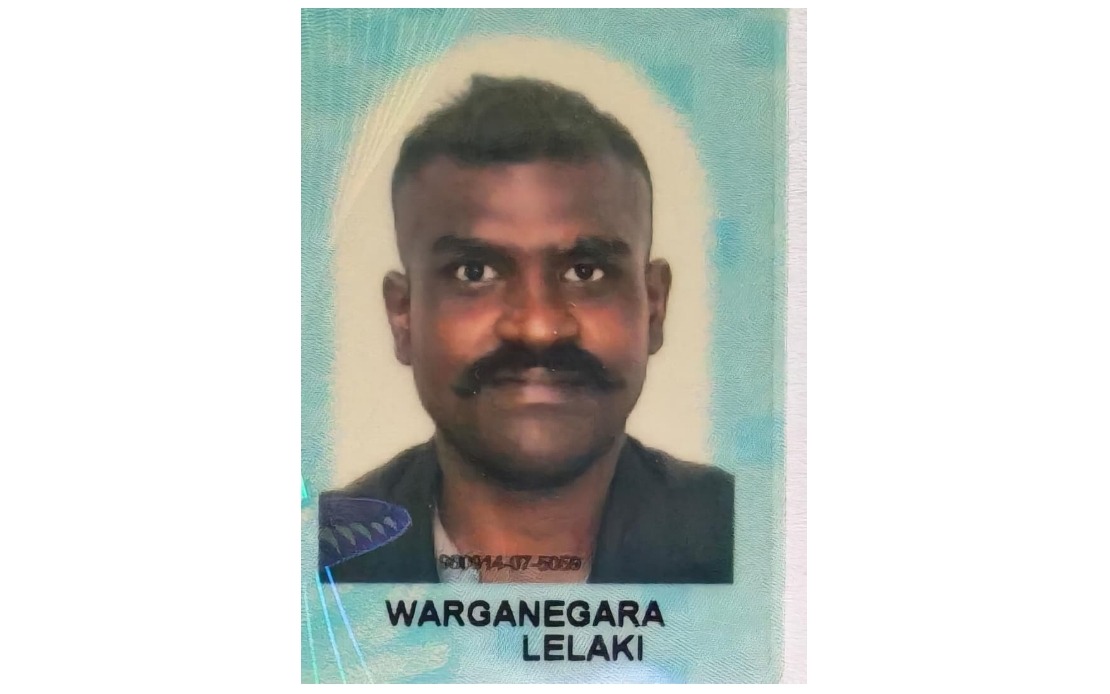
Sungai Bakap Hospital in Nibong Tebal has launched a public appeal to help identify and locate the family of a 29-year-old man who passed away at the facility in mid-August after an extended period of medical care. The hospital's request highlights a poignant situation where a vulnerable individual spent nearly three months under care without any family contact or visitors, underscoring the challenges facing homeless populations and the role of public healthcare institutions in managing such circumstances.
M. Balakrishnan died on August 10 at 6.53 pm in Ward 3 from severe sepsis complicated by multi-organ failure. His body remains at the hospital's Forensic Medicine Unit pending identification of relatives who can make arrangements for his remains. The circumstances of his death underscore the serious health risks faced by homeless individuals, who often lack access to preventive healthcare and adequate living conditions that might prevent infections and complications.
Balakrishnan had been admitted to Sungai Bakap Hospital on May 27, transferred from Bukit Mertajam Hospital as he awaited placement at a social welfare care centre managed by the Social Welfare Department. During his nearly three-month stay at the facility, no relatives, friends, or known associates visited him, suggesting he may have been estranged from his family or lacked a support network. Hospital records indicate that despite initial inquiries, staff could not obtain any meaningful information about his family connections.
The hospital coordinated with the National Registration Department in an attempt to track down Balakrishnan's next of kin using available identifying information. The search eventually led to an address listed as No. 19, Jalan Sungai Buloh in Taman Segar, Kampung Baru Subang, Selangor. However, when police visited the premises to verify the information, they discovered that the location was occupied by a Malay family unconnected to Balakrishnan and with no knowledge of him or his relatives.
This failed attempt to locate Balakrishnan's family reflects a broader challenge facing Malaysian healthcare and social welfare systems. Many homeless individuals in the country lack stable residential addresses, making it difficult for authorities to maintain accurate contact information or family records. The situation also illustrates how people can become socially isolated, losing contact with family networks through a combination of personal circumstances and systemic gaps in support services.
The role of Sungai Bakap Hospital in managing Balakrishnan's case demonstrates the responsibility that public healthcare facilities undertake when treating vulnerable populations. The hospital not only provided medical treatment during his lengthy stay but also took initiative in attempting to locate his family through multiple official channels. This multi-agency approach involving the National Registration Department and police reflects a coordinated effort to resolve the situation, though ultimately without success.
Balakrishnan's case raises important questions about how Malaysian society addresses homelessness and social integration. The fact that a young man could spend nearly three months in hospital without any family contact speaks to potential gaps in community support systems and the need for stronger mechanisms to maintain family connections even among the most marginalised members of society. The Social Welfare Department's involvement in seeking placement for him at a care centre indicated an awareness of his vulnerable status, yet the ultimate outcome underscores the challenges in providing adequate support.
The hospital's current public appeal represents a final effort to ensure that Balakrishnan's remains receive dignified handling according to the wishes of his family, should they exist. In Malaysian culture, proper funeral rites and family involvement in the disposition of the deceased are considered essential, regardless of the individual's circumstances during life. The appeal seeks to give Balakrishnan's family the opportunity to reclaim his body and conduct appropriate final rites if they can be located.
Members of the public with any information about Balakrishnan's family or background are encouraged to contact Sungai Bakap Hospital directly. Even seemingly small details about his origins, previous addresses, or known associates could prove valuable in establishing family connections. The hospital's willingness to accept information from the broader community reflects recognition that family networks might be dispersed or that someone in the public sphere may hold crucial knowledge about Balakrishnan's background.
This case also highlights the importance of documentation and record-keeping for vulnerable populations. Strengthening systems to maintain updated contact information for homeless individuals, improving coordination between healthcare providers and social welfare agencies, and developing community mechanisms to keep families connected could help prevent similar situations. For policymakers and social service providers across Malaysia and the broader region, Balakrishnan's story serves as a reminder of the human consequences when vulnerable populations fall through institutional cracks.

