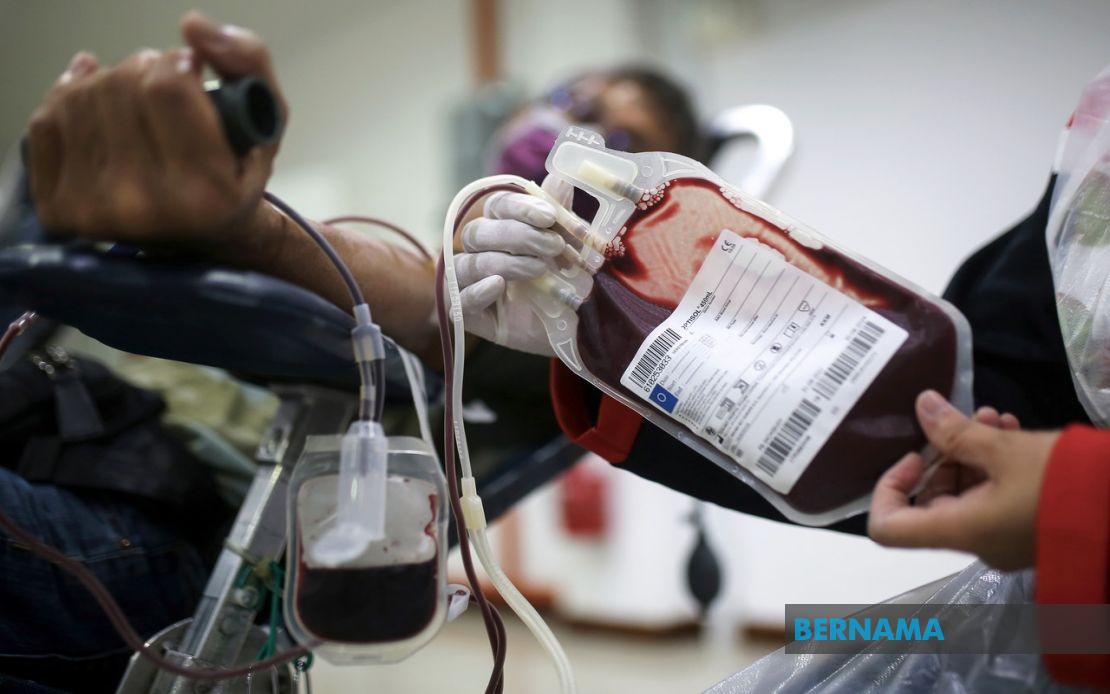
The Hospital Sultanah Aminah (HSA) in Johor Bahru has made a public appeal for residents to donate blood, specifically targeting individuals with type O and AB blood groups. The hospital's Transfusion Medicine Department issued the urgent request through its social media channels on Tuesday, warning that existing supplies of both blood types have fallen to concerning levels. This appeal reflects the ongoing challenge healthcare facilities across Malaysia face in maintaining adequate blood reserves to meet patient needs.
Blood shortages represent a persistent challenge for Malaysia's public health system, particularly during periods of high patient turnover or seasonal demand fluctuations. Type O blood, classified as the universal donor that can be transfused to patients of any blood type, remains consistently in high demand across all medical facilities. Type AB blood, conversely, represents the rarest blood group in the Malaysian population and is needed less frequently but remains critical for specific patient cases. When either category reaches low levels, hospitals must coordinate across state lines or implement emergency protocols to ensure life-saving transfusions can proceed without interruption.
To facilitate donor participation, the hospital has directed interested individuals to consult the Johor Bahru Blood Donation Campaign Schedule page on its official channels, which lists specific collection venues and operating hours. This proactive communication strategy helps remove barriers to donation by providing transparent, accessible information about where and when residents can contribute. The hospital recognizes that operational transparency and convenient scheduling are essential to mobilizing community participation during supply shortages.
The Johor Blood Donation Centre at Mid Valley Southkey is hosting an extended donation campaign running from Tuesday through Sunday, with collection hours from 10 am to 6.30 pm daily. This sustained schedule allows maximum flexibility for potential donors juggling work, family, and other commitments. Mid Valley Southkey's central location and extended hours make it an accessible option for Johor Bahru residents from various districts seeking to participate in the donation drive.
Additionally, AEON Mall Bukit Indah will serve as a secondary collection point, operating from Tuesday through Sunday with shorter hours of 10 am to 3 pm. Shopping mall locations have proven effective for blood donation campaigns in Malaysia, as they attract regular foot traffic and allow donors to combine their charitable contribution with routine shopping activities. The reduced hours at this venue may suit donors preferring specific time windows or with limited availability.
The HSA Blood Donation Centre itself will also conduct collections on Tuesday and Wednesday, operating from 8 am to 4.30 pm. This on-site facility provides a medical-grade environment staffed by trained phlebotomists and health personnel, which may appeal to first-time donors or those preferring a traditional healthcare setting for their donation. The early morning start time accommodates donors planning to contribute before work or other daily activities.
Blood donation frequency in Malaysia has historically been influenced by cultural attitudes, awareness levels, and accessibility factors. While voluntary blood donation programs have expanded significantly over the past two decades, Malaysia's donor pool remains insufficient to meet all clinical demands consistently. Temporary supply crises at individual facilities are relatively common, prompting regional hospitals to conduct coordinated appeals and organize multiple simultaneous collection drives.
For Malaysian healthcare administrators and policymakers, recurring shortages highlight the importance of sustained, year-round donor recruitment and retention initiatives rather than reactive crisis management. Countries with robust voluntary blood donation systems maintain dedicated marketing campaigns, regular donor incentive programs, and community partnerships that normalize blood donation as a civic responsibility. The frequency of emergency appeals from major hospitals suggests Malaysia's current voluntary donation infrastructure may require enhancement to achieve consistent self-sufficiency.
Donors interested in participating should note standard eligibility criteria typically apply, including minimum age requirements, general health status, and waiting periods after previous donations. The multiple venues and extended operational hours through the weekend significantly improve accessibility for Johor residents across different socioeconomic backgrounds and work schedules. Hospital officials have indicated that individuals should verify their eligibility before arriving at collection sites, as time management during high-demand periods is critical for maintaining efficient operations.
The appeal reflects broader Southeast Asian healthcare trends, where developing nations often face blood supply pressures despite increasing surgical volumes and medical demand. Malaysia's relatively younger demographic profile compared to developed nations should theoretically support robust donor recruitment, yet competing demands on time and limited cultural emphasis on blood donation persist as barriers. Regional medical administrators observe that countries investing heavily in donor education, workplace donation programs, and school-based initiatives achieve significantly better supply stability.
As HSA works to replenish its reserves, the success of this campaign will depend partly on how effectively the hospital's social media outreach reaches target demographics and motivates action. Malaysia's high social media penetration, particularly among younger age groups who represent ideal donor candidates, provides healthcare facilities with powerful communication tools for emergency recruitment. However, converting awareness into actual donor turnout requires clear logistics communication and demonstrated urgency—elements HSA appears to be emphasizing through its multi-venue, extended-hours approach.
The Hospital Sultanah Aminah's efforts demonstrate how individual healthcare facilities increasingly leverage direct community engagement during critical supply moments. Moving forward, Johor's health authorities may consider whether periodic emergency appeals represent an optimal system or whether sustained baseline improvements in voluntary donation infrastructure could reduce crisis frequency. As Malaysia's healthcare system continues expanding, ensuring reliable blood supplies will remain fundamental to surgical program capacity and emergency response capabilities across all public and private institutions.

