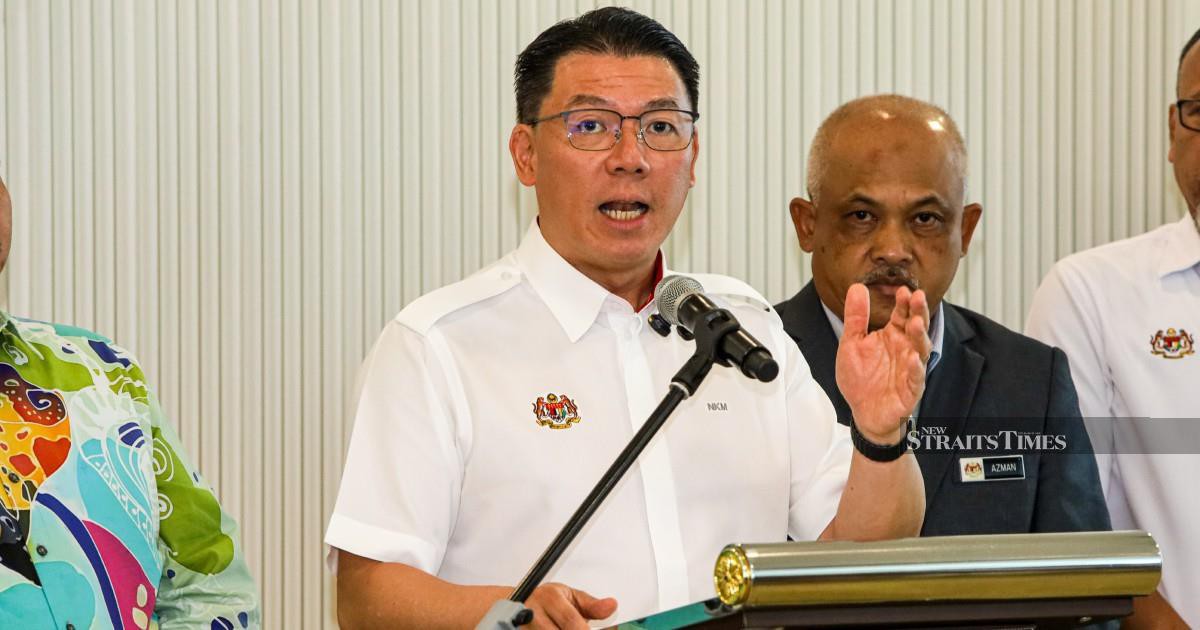
Housing and Local Government Minister Nga Kor Ming has pledged an exhaustive investigation into the circumstances surrounding the death of Rocky, a pet dog whose case has drawn public concern in Port Klang. The minister's commitment signals heightened scrutiny from the federal government into allegations of animal mistreatment, underscoring broader anxieties about the treatment of animals under Malaysia's legal and regulatory framework.
The Rocky case has emerged as a focal point in conversations surrounding animal welfare protections in Malaysia, a nation where pet ownership has grown substantially among urban households. Such incidents frequently ignite public debate about enforcement mechanisms and existing safeguards designed to prevent cruelty. Nga's public assurance of a rigorous probe reflects the political sensitivity around animal rights issues, particularly among younger, urban constituencies who increasingly mobilize online advocacy campaigns in response to perceived animal suffering.
The minister's statement represents a ministerial-level engagement with what might otherwise remain a localized incident, suggesting recognition that animal welfare concerns resonate across demographic groups and carry broader implications for Malaysia's reputation as a modern nation. This elevation of the case to high-level governmental attention demonstrates how social media amplification and public outcry can compel official response on issues that traditionally received minimal bureaucratic attention.
Nga's explicit rejection of animal cruelty or abuse as acceptable reflects commitments under Malaysia's Animal Act 1953, though enforcement and investigation mechanisms have historically faced criticism from animal welfare advocates. The legislation permits investigation into suspected offences, yet resources, awareness, and consistent application have proven inconsistent across federal territories and state jurisdictions. A ministerial-led investigation potentially circumvents some bureaucratic limitations that have hampered previous animal cruelty cases.
Port Klang, as Malaysia's busiest seaport and a densely populated urban area, presents unique challenges for animal welfare oversight. The port region encompasses residential neighborhoods, commercial districts, and industrial zones where supervision of animal care standards becomes complicated by overlapping jurisdictions and competing municipal priorities. This geographic complexity underscores why cases emerging from Port Klang demand coordinated responses across multiple agencies rather than isolated investigations.
The trajectory from incident to ministerial pledge typically involves viral social media campaigns that mobilize public sentiment around specific cases. Rocky's death achieved sufficient visibility to breach the threshold of official government acknowledgment, a pattern increasingly common in Malaysia where online petitions and hashtag activism have demonstrated capacity to influence policy attention. This dynamic reflects evolving accountability mechanisms that supplement—and sometimes compete with—traditional regulatory frameworks.
The scope of Nga's investigation will likely encompass examination of veterinary care standards, facility management, and regulatory compliance in the Port Klang area. Depending on circumstances, investigations may engage veterinary professionals, local authorities, and other specialists capable of establishing timelines and identifying potential neglect or abuse. The methodology employed will establish precedent for how similar cases receive future governmental handling.
Animal welfare advocates have long contended that Malaysia requires strengthened legislation addressing investigative procedures, penalty structures, and rehabilitation requirements for offenders. Current penalties under the Animal Act 1953 appear inadequate to some observers relative to penalties for property crimes or other offences. A high-profile investigation may prompt renewed legislative discussions about updating protections and enforcement mechanisms to reflect contemporary understanding of animal sentience and societal expectations regarding animal treatment.
The minister's focus on animal protection aligns with international trends toward animal welfare legislation that several Southeast Asian nations have gradually strengthened in recent years. Thailand, Indonesia, and the Philippines have expanded animal welfare frameworks, creating regional momentum for improved standards. Malaysia's positioning within this regional context suggests potential receptiveness to incremental legislative updates, particularly when cases achieve public prominence.
For pet owners throughout Port Klang and surrounding areas, ministerial-level attention to this case may prompt greater awareness regarding reporting mechanisms and available protections. Improved understanding of complaint procedures and investigation pathways could facilitate identification and documentation of future incidents, creating deterrent effects among those inclined toward animal mistreatment.
The investigation's findings and any subsequent actions will establish important precedent regarding governmental response to animal welfare controversies. Public transparency regarding investigation procedures, evidence collection, and conclusions will influence how Malaysians perceive institutional commitment to animal protection beyond rhetorical commitments. Sustained engagement, resource allocation, and visible consequences for violations determine whether ministerial pledges translate into meaningful protective improvements.

