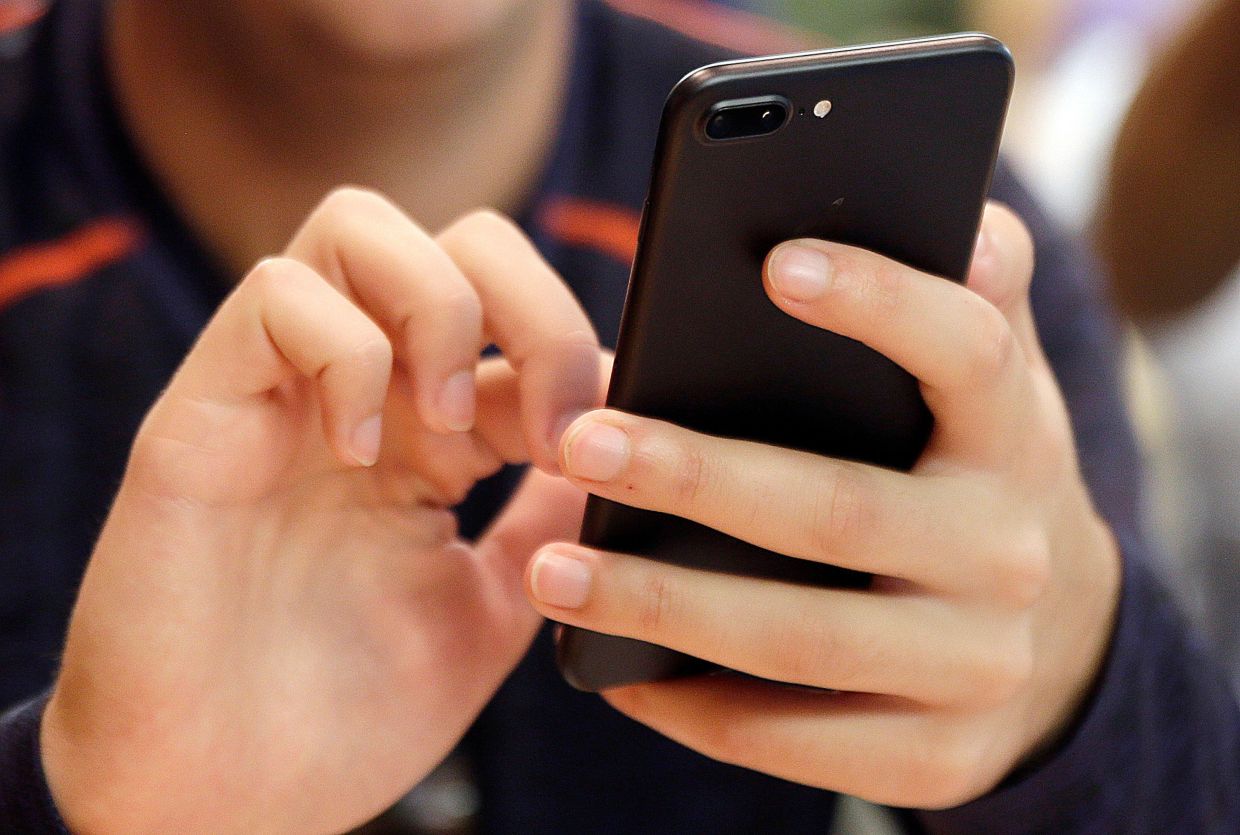
The rise of smartphones has introduced a new generation of repetitive strain injuries, with texting thumb representing just one manifestation of a broader problem affecting millions of users worldwide. This condition encompasses various phone-related discomforts ranging from general stiffness and joint tenderness to clicking sensations when bending the thumb, all stemming from exhausted tendons and stressed joints. Without intervention, the constant tapping, swiping and scrolling associated with modern mobile use can progress into more debilitating conditions such as carpal tunnel syndrome and early-onset arthritis, presenting a genuine health concern for contemporary society.
The smartphone era has fundamentally transformed how we interact with digital devices, moving well beyond the original purposes of phone calls and text messages. Contemporary usage patterns involve hours spent scrolling through social media feeds, managing financial transactions, and consuming video content—activities that would have seemed impossible during the early BlackBerry era. Modern handsets have also become substantially larger and heavier than their predecessors, compounding the physical strain on hands and wrists during extended use. This combination of increased device size and prolonged engagement creates unprecedented pressure on anatomical structures that evolved for entirely different purposes.
Medical professionals increasingly recognise that smartphones are now integral to daily life, making avoidance an impractical solution. Dr Maureen O'Shaughnessy from the University of Kentucky HealthCare Hand Center emphasises that rather than demanding users abandon their devices, the focus should shift toward making technology compatible with human physiology and modern lifestyle demands. This pragmatic approach acknowledges reality while encouraging users to develop healthier interaction patterns that minimise injury risk without requiring complete digital detoxification.
The mechanics of phone-related injury involve maintaining rigid wrist and elbow positions for extended periods, which generates soreness particularly at the thumb's base and throughout the wrist. Holding devices upright for sustained intervals fatigues not only the thumb but also other fingers pressed into service. Many users remain unaware of developing problems until they reduce screen time—such as during holidays—when the irritation suddenly resolves, revealing the device's culpability. This delayed recognition allows minor issues to progress unchecked during normal usage periods.
The most effective intervention remains straightforward: limiting overall phone consumption or incorporating brief breaks between usage sessions. However, recognising the difficulty of achieving significant screen time reduction, medical professionals recommend intermediate strategies that distribute strain across different anatomical structures. Alternating which hand operates the device, employing different fingers for typing, and varying posture throughout the day all reduce concentrated stress on vulnerable areas. These seemingly minor adjustments can substantially decrease cumulative damage when applied consistently.
Smartphone manufacturers have integrated accessibility features specifically designed to reduce hand strain, yet many users remain unaware of these capabilities. Voice-to-text functionality eliminates the need for manual typing, while text enlargement features reduce the necessity of holding devices close to the face, allowing arms to maintain more relaxed positions. These built-in tools represent immediate solutions requiring no additional purchases or equipment, making them accessible to all users regardless of economic circumstances.
Physical accessories offer supplementary support for those requiring additional intervention. Circular and ring-shaped grip attachments distribute device weight more evenly across the entire hand rather than concentrating pressure on vulnerable thumb and finger joints. These same accessories serve dual purposes, functioning as stable stands for watching video content, thereby reducing the muscular effort required to maintain device position during extended viewing sessions. Such multipurpose solutions provide practical value beyond their primary strain-reduction function.
Daily stretching regimens specifically targeting affected areas provide meaningful relief for hand discomfort following intensive screen sessions. Wrist flexion exercises—tilting the palm toward and away from the body while applying gentle counter-pressure—address tension throughout the forearm. Individual finger flexing combined with gentle thumb circles promotes circulation and maintains mobility. For basal thumb pain specifically, placing the hand flat on a surface and gently pulling the thumb away from other fingers for approximately thirty seconds provides targeted relief to this commonly affected region.
Persistent aching, numbness, or tingling sensations warrant professional medical evaluation, particularly when symptoms persist despite reduced screen time and home remedies such as ice application. These symptoms may indicate more serious pathologies requiring clinical intervention. De Quervain's tenosynovitis produces sharp pain and swelling at the thumb base and wrist, while carpal tunnel syndrome involves nerve compression causing progressive dysfunction. Trigger thumb manifests as painful catching sensations during bending, resulting from tendon inflammation. Untreated cases can progress toward permanent structural damage necessitating surgical correction.
Modern digital engagement creates habitual patterns that entrench users in continuous scrolling cycles, making momentary breaks feel counterintuitive. Yet research consistently demonstrates that brief, intentional pauses for postural adjustment generate measurable protective benefits. Dr Eugene Tsai, a surgeon at Cedars-Sinai Orthopaedics and Sports Medicine, succinctly captures this fundamental reality: human hands simply were not anatomically designed for all-day smartphone operation. Achieving ongoing hand health requires deliberate, conscious strategies that acknowledge this mismatch between evolutionary biology and technological demands. The solution ultimately involves treating our hands with the same care and attention we devote to our devices themselves.

