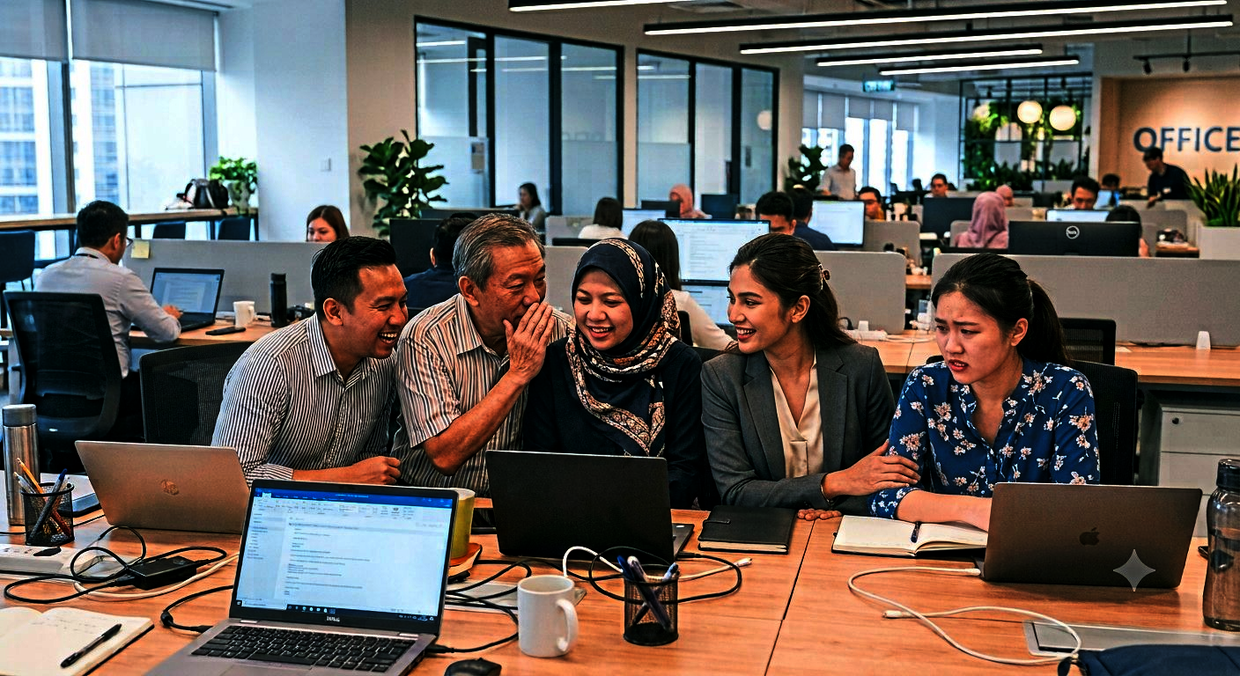
Conversations that begin with judgment often end with damage. Most Malaysians have experienced moments when talk over coffee, dinner, or online suddenly shifts from observation into accusation—when absent parties become targets and frustration crystallizes into condemnation. What leaves us with a lingering unease is rarely a dramatic conflict. Instead, it is the quiet erosion that happens when dialogue becomes habitually negative, sarcastic, or designed primarily to diminish rather than understand.
As Patron of the Malaysian Mental Health Association (MMHA), perspectives on anxiety, burnout, and loneliness frequently emerge in conversations about community wellbeing. Yet what receives far less attention are the small, accumulating moments that chip away at emotional resilience—moments that accumulate across countless casual exchanges rather than erupting in single crises. Modern psychology now validates what traditional Malaysian wisdom has long understood: wounds created gradually through careless words and persistent negativity cut deeper and heal slower than acute injuries.
The emotional climate we inhabit is shaped fundamentally by the words spoken within it. Whether in homes, offices, friendships, or online spaces, the tone and tenor of our conversations directly influence how safe, valued, and connected people feel. When exchanges become characterized by judgment, gossip, or constant fault-finding, they gradually deplete psychological reserves. The peace we carry—or fail to carry—away from these interactions accumulates over time, creating either a foundation of trust or an architecture of anxiety.
It is crucial to distinguish between conversations that challenge and those that damage. Disagreement itself strengthens societies when it seeks genuine understanding. Constructive criticism improves institutions when it aims toward betterment. Meaningful dialogue deepens relationships when both parties approach with respect. The critical difference lies in intention: conversations that build understanding elevate people, while those designed primarily to judge, belittle, or inflame slowly fracture the social fabric.
Consider the mechanics of gossip, even when we remain silent participants. The act of listening to criticism directed at an absent person creates an insidious anxiety: if colleagues speak this way about someone else when they are absent, what narratives might form about us in our absence? This unspoken dread persists long after the conversation concludes. Similarly, environments where every discussion gravitates toward finding fault—dissecting mistakes, questioning parenting choices, dismissing political opinions, or scrutinizing appearance—communicate a dangerous underlying message: that human error is unforgivable and that compassion is conditional.
In workplaces across Malaysia and Southeast Asia, this dynamic creates measurable harm. When organizational cultures normalize blame and criticism over collaboration and learning, employee engagement drops, burnout accelerates, and trust evaporates. Talented people begin self-censoring, afraid that honest contributions will be weaponized against them. Innovation suffers because vulnerability—which authentic collaboration requires—becomes too risky. The same deterioration occurs in families: when homes become spaces where every action is scrutinized and criticized, children internalize perfectionism and shame rather than developing resilience and self-compassion.
The digital amplification of toxic conversation represents a particularly modern challenge. Social media platforms engineer engagement through outrage, creating incentive structures that reward the most inflammatory contributions. What might have been a fleeting frustration expressed to one person now broadcasts to hundreds or thousands, accumulating comments that escalate negativity and harden positions. The absence of face-to-face accountability—the inability to see the human impact of our words—removes a crucial psychological brake on cruelty. Malaysians navigating highly polarized online spaces report elevated stress, sleep disruption, and generalized anxiety stemming directly from exposure to relentless negativity and personal attacks.
Physically walking away from toxic conversations is sometimes the most mentally healthy choice available. This does not represent avoidance of necessary dialogue but rather a deliberate boundary against unnecessary harm. Setting limits on exposure to people or platforms that habitually demean others creates space for psychological recovery. It signals internally that we value our peace enough to protect it, a recognition that is itself therapeutically significant. In Malaysian family and community contexts, where social obligations often override individual boundaries, this practice can feel uncomfortable. Yet mental health frameworks increasingly recognize that protecting oneself from chronic negativity is not selfish but essential for maintaining capacity to engage meaningfully with those we care about.
Rebuilding conversational culture requires intention at multiple levels. Households can establish norms where discussing absent people is deprioritized in favor of addressing concerns directly. Workplaces can implement psychological safety initiatives that reward learning over blame. Individuals can practice conscious pauses before contributing to gossip or complaint—asking whether their words are moving toward understanding or away from it. These adjustments sound simple because they are, yet their cumulative effect is substantial. When spaces gradually shift from habitually negative to predominantly constructive, people report decreased anxiety, improved sleep, stronger relationships, and greater willingness to take interpersonal risks.
The cultural shift requires recognizing that protecting mental health—both our own and others'—is not weakness but wisdom. A single critical comment might seem inconsequential. A single gossip session appears momentary. Yet conversations, like small choices, compound over time into either health or illness, connection or isolation, courage or fear. For Malaysians working to build stronger families, more resilient workplaces, and more humane communities, the path forward begins in the spaces where we speak most casually and most often.

