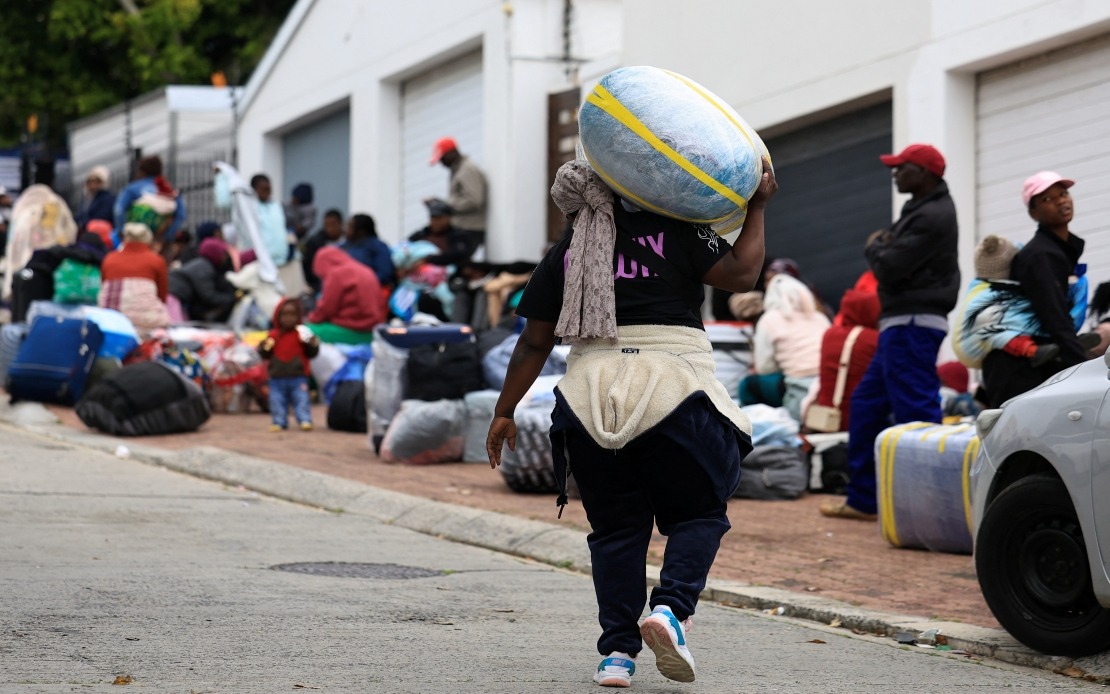
South African immigration authorities commenced large-scale transfers of Zimbabwean and Malawian nationals from a temporary processing facility in Cape Town on Saturday, marking a significant development in the country's ongoing immigration crisis. The movement of migrants represents a direct response to mounting anti-immigrant sentiment that has gripped the Western Cape region, forcing vulnerable populations to seek refuge in government processing centres after weeks of uncertainty and fear.
The Epping processing centre, which had been hastily established to accommodate arrivals, is now being emptied as buses transport hundreds of foreign nationals northward to Musina in Limpopo Province. This destination has become a de facto hub for migrant processing and repatriation operations, already housing thousands of individuals awaiting documentation and eventual return to their home countries. South African authorities have simultaneously encouraged remaining applicants to bypass Cape Town altogether and travel directly to the Musina facility, effectively closing the door on new arrivals in the Western Cape.
The humanitarian toll of these developments has become increasingly apparent. Aid organizations operating at the Epping site have documented deteriorating health conditions among residents, with cases of diarrhoea and flu-like symptoms emerging amid overcrowded and unsanitary conditions. Food distribution, basic shelter, and sanitation services have been sustained by nonprofit groups rather than adequate government provision, highlighting the strain on support systems managing this migrant population.
Conditions at the facility remain dire. On Saturday alone, approximately 400 additional people arrived overnight only to be turned away as the processing centre prepared for closure, leaving them stranded in surrounding areas without access to services. Yekuai Mokoena, a Zimbabwean national sheltering at the site with her two children after previously spending nights outside the Zimbabwean consulate, offered a stark assessment of the situation. Her sparse description—"The situation is bad"—underscores the desperation facing those caught between anti-immigrant hostility and inadequate government response.
The crisis deepened significantly following an unofficial ultimatum issued by anti-immigrant activists on June 30, demanding that undocumented foreign nationals vacate South Africa. This threat triggered the initial surge of individuals seeking safety and processing at the Zimbabwean consulate, where around 3,000 people congregated over two weeks before being relocated to the Epping facility. The informal deadline, lacking legal authority but carrying real danger through potential vigilante action, forced vulnerable migrants to abandon their livelihoods and seek government protection.
Continuous arrivals at the Epping site throughout Saturday illustrated the desperation driving migration despite deteriorating circumstances. Even as buses loaded with passengers and luggage departed for Musina, new arrivals from across the Western Cape region continued presenting themselves at the facility seeking assistance to return home. This paradox reveals the trap facing foreign nationals: conditions in South Africa have become untenable due to xenophobic sentiment, yet the infrastructure for orderly departure remains inadequate and disorganized.
For Southeast Asian observers, this crisis carries particular relevance given the region's own significant migrant populations and rising nativist movements. Malaysia, with its substantial population of Zimbabwean and other African migrants, faces similar pressures from anti-immigrant activists. The South African experience demonstrates how informal xenophobic campaigns can compel governments to hastily relocate large populations without adequate planning, creating humanitarian crises that strain both migrants and state resources.
The relocation to Musina represents a partial solution that addresses Cape Town's immediate crisis while transferring the burden elsewhere. However, critics argue that consolidating thousands of migrants in a single facility in Limpopo Province merely postpones resolution while potentially worsening conditions through overcrowding. The facility was not designed to accommodate such concentrated populations, and adequate repatriation infrastructure remains questionable.
The broader context reveals systemic failures in migrant management across Southern Africa. Economic desperation in Zimbabwe and Malawi continues driving northward migration toward South Africa, despite increasingly hostile conditions. Weak border controls and limited cooperation between governments mean that informal solutions—such as emergency processing centres and emergency bus transfers—substitute for comprehensive immigration policy.
For Zimbabwean expatriates, the situation represents a catastrophic reversal of their precarious status in South Africa. Many had established livelihoods in Cape Town over years, running small businesses or working in informal sectors. The anti-immigrant campaign stripped away the tacit tolerance that had previously allowed undocumented workers to operate, forcing sudden displacement.
The humanitarian organizations providing support at Epping face an impossible mandate. With growing numbers of arrivals and deteriorating conditions, their capacity to deliver adequate food, water, and sanitation is stretching dangerously thin. The government's reliance on nonprofit assistance suggests insufficient state responsibility for managing this crisis professionally and humanely.
Moving forward, the consolidated population at Musina will require substantial resources for processing, repatriation coordination, and basic care. Without rapid action by both South African authorities and the home governments of these migrants, conditions will likely deteriorate further. For the region, this crisis underscores the urgent need for coordinated migration policies that address root causes of displacement while protecting vulnerable populations from xenophobic violence and government neglect.

