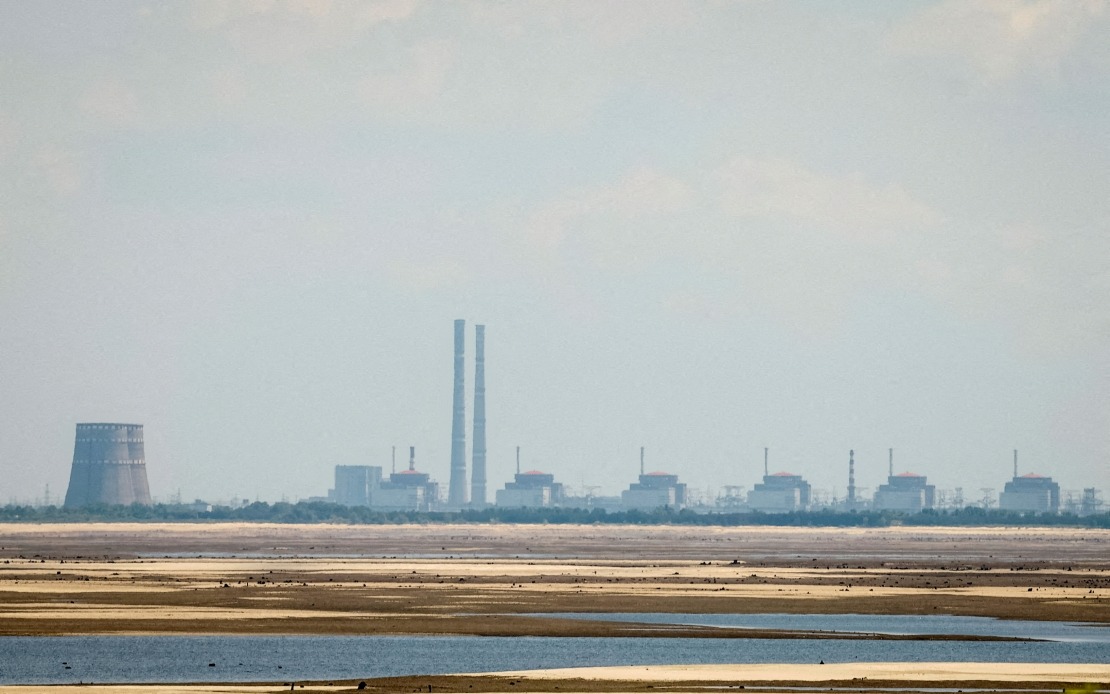
The International Atomic Energy Agency has raised fresh alarms about the precarious state of nuclear safety at the Zaporizhzhia Nuclear Power Plant, one of Europe's largest atomic facilities, after it experienced yet another loss of external power. On Friday, the plant lost connection to the 330 kV Ferosplavna-1 transmission line—marking the 21st such outage since Russia's invasion of Ukraine in 2022. The recurring disruptions underscore how vulnerable this critical infrastructure has become amid ongoing military operations in the region, and highlight the risks that extended conflict poses to nuclear facilities worldwide.
According to accounts from IAEA inspectors stationed at the site, military activity in the vicinity triggered protective systems on electrical transmission lines connected to the Zaporizhzhia facility. When the off-site power supply was severed, the plant's emergency backup systems responded as designed, with diesel generators automatically activating to ensure continuous power to reactor cooling mechanisms and other safety-critical equipment. While the automatic failover prevented an immediate crisis, each such incident represents a narrow escape from potential catastrophe in a situation where margins for error are vanishingly small.
IAEA Director General Rafael Grossi issued a stark assessment of the situation, emphasizing that the repeated power losses demonstrate the fragile nature of nuclear safety at the facility and the critical importance of military restraint from all parties. His statement reflects growing international concern about the long-term viability of maintaining safe operations at any nuclear plant operating under active military threat. The frequency of these outages—21 times in roughly 18 months—suggests a pattern rather than isolated incidents, raising questions about the sustainability of backup power systems and the psychological toll on plant operators managing existential risks on a daily basis.
The Zaporizhzhia Nuclear Power Plant's vulnerability reflects broader challenges facing nuclear infrastructure in conflict zones. Unlike conventional power plants, nuclear facilities cannot simply be shut down and abandoned without triggering cascading technical problems. Reactor cores must be continuously cooled even after shutdown, a process requiring reliable electricity supplies. If backup systems fail or fuel supplies for generators run short, the consequences could be catastrophic—potentially exceeding the scale of past nuclear disasters. The plant's location near active frontlines means that protection of electrical infrastructure cannot be guaranteed, and both deliberate attacks and incidental damage from nearby military operations pose persistent threats.
Since Russia's seizure of the plant in the opening weeks of the invasion, control of Zaporizhzhia has remained contested and disputed. Ukrainian officials have repeatedly accused Russian forces of using the facility as a military shield, storing weapons and personnel within its grounds while threatening to create a nuclear catastrophe if the facility faces Ukrainian counteroffensives. Russia has made counter-accusations regarding Ukrainian military activities near the site. These disputes have poisoned the environment for international cooperation, making it difficult for the IAEA to operate with full transparency or for either side to prioritize nuclear safety above military considerations.
The International Atomic Energy Agency has attempted to maintain a presence at the plant to monitor conditions and report on safety status, but the agency's ability to enforce compliance or influence military decision-making remains severely constrained. Grossi has repeatedly called for demilitarization of the site and the establishment of a nuclear safety protection zone, but such proposals have gained little traction among belligerents focused on military advantage. The IAEA's monitoring role—while valuable for international transparency—cannot substitute for genuine security measures that only a ceasefire or peace agreement could provide.
For Southeast Asian countries and the broader international community, the Zaporizhzhia crisis carries sobering implications. Many nations in the region are developing or planning nuclear power programs to meet growing electricity demands and climate goals. The Ukrainian experience demonstrates that nuclear facilities in geopolitically volatile regions face risks that technical safeguards alone cannot mitigate. Countries hosting nuclear plants must ensure robust political stability and conflict-prevention mechanisms; otherwise, even the world's most rigorous safety standards may prove insufficient. This reality complicates arguments from nuclear advocates that expansion of atomic energy is compatible with strategic uncertainties in developing regions.
The repeated power losses also raise practical questions about backup system reliability. Diesel generators, while proven technology, require regular maintenance, fuel resupply, and operator expertise—all challenging to maintain consistently in a war zone. Each activation of emergency systems places additional strain on aging infrastructure, potentially reducing the reliability of these critical safeguards. Reports suggest that fuel availability for generators has occasionally been a concern, though the IAEA has reported that sufficient reserves have been maintained. Nevertheless, the dependency on functional backup systems in a degraded operational environment represents a structural vulnerability that cannot be fully addressed through technology alone.
The implications of a major nuclear accident at Zaporizhzhia would extend far beyond Ukraine's borders. Radioactive contamination could spread across Eastern Europe and potentially affect countries throughout the continent, with long-term consequences for agriculture, water supplies, and public health. Such an event would also severely damage international confidence in nuclear safety and likely set back global nuclear energy expansion efforts for decades. The stakes are therefore global, not merely regional, which explains the persistent attention from the IAEA and international media.
Meanwhile, longer-term questions persist about the plant's operational future. Even if the current conflict were to end tomorrow, the facility would require extensive assessment and likely significant reconstruction before returning to normal operations. The psychological and institutional impacts of years of operating under military threat would also need to be addressed. International nuclear expertise and financial resources would be essential for any recovery, but such cooperation would depend on resolution of the underlying conflict and establishment of transparent, neutral oversight mechanisms—currently aspirational rather than realistic objectives.
The situation at Zaporizhzhia ultimately illustrates the limits of technical solutions in contexts of deep political conflict. Nuclear safety protocols are designed for normal operating conditions with predictable hazards, not for environments where military actors may prioritize strategic objectives above safety considerations. Until the fundamental security situation changes, the international community can only monitor, document, and advocate for restraint while hoping that luck and emergency systems continue to prevent catastrophe. The 21st power outage may be resolved, but the underlying crisis persists.

