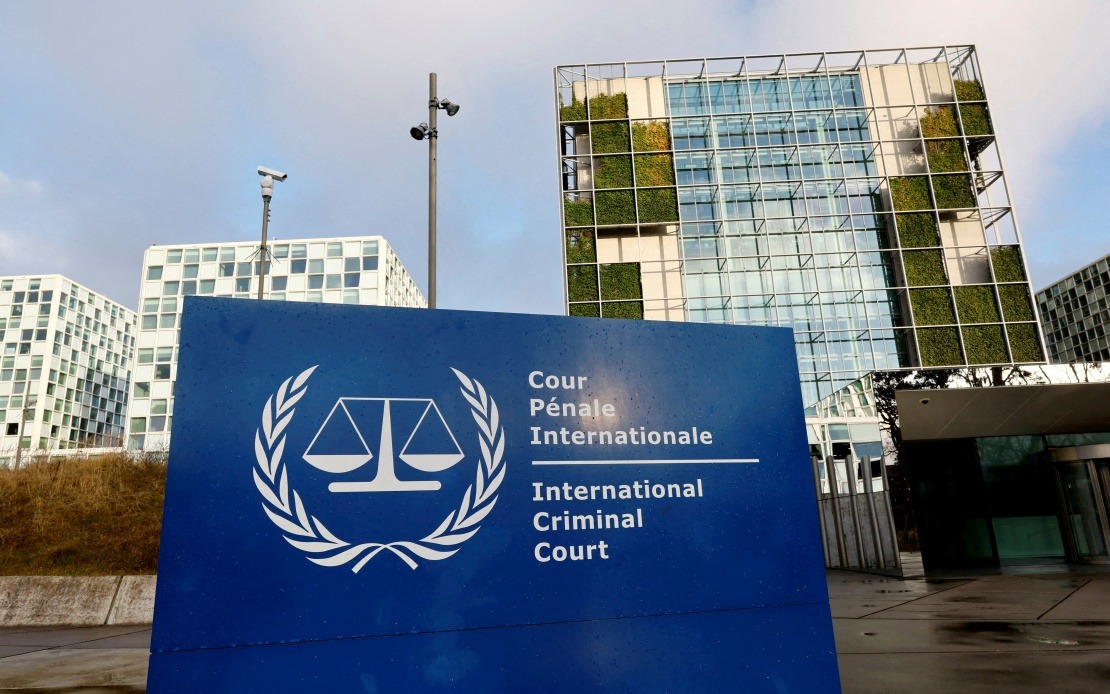
The International Criminal Court has mounted a robust defence against recently announced American sanctions, characterizing the restrictions as a deliberate assault on the institution's foundational principles of independence and impartiality. The latest round of designations has expanded the scope of US pressure against the court, adding ICC President Tomoko Akane of Japan and Abdoulaye Seye, a senior trial lawyer in the Office of the Prosecutor, to an already lengthy sanctions roster.
The accumulation of sanctions over recent months reflects deepening friction between the United States and the Hague-based institution. According to the court's formal statement, nine of its 18 judges, both deputy prosecutors, a former prosecutor, and a staff member now face American sanctions. This escalating pattern of designations has transformed what was once a marginal diplomatic spat into a significant challenge to the legitimacy and operational capacity of the global judicial body.
At the core of the ICC's objection lies a fundamental concern about institutional sovereignty and the ability of international courts to function without external political coercion. The court emphasised that sanctions targeting judges, prosecutors, and personnel for executing their mandated responsibilities represent a serious threat to the international legal order and undermine the rule of law principles that underpin global governance. This framing positions the conflict not merely as a bilateral dispute between Washington and The Hague, but as a broader question about whether powerful states can unilaterally constrain international institutions through economic pressure.
The timing and scope of American sanctions carry particular significance for Southeast Asian observers. Several regional states are ICC members, and the court's capacity to investigate and prosecute international crimes affects regional stability and justice mechanisms. Malaysia itself has complex relationships with international accountability mechanisms, and the outcome of this confrontation could influence how Asian nations balance their engagement with global legal institutions against pressure from major powers.
The ICC highlighted an often-overlooked consequence of such sanctions: their impact on victims seeking justice. The court contended that coercive measures and threats diminish affected persons' ability to pursue legitimate remedies, particularly when they have exhausted domestic options. This argument positions the dispute as having human consequences beyond institutional preservation, suggesting that victims of mass atrocities in conflict zones worldwide face reduced prospects for accountability as a result of American pressure tactics.
The court's statement made explicit reference to the Rome Statute, the founding treaty governing the ICC's operations, reinforcing the argument that its mandate derives from international consensus rather than unilateral authority. By invoking this legal foundation, the ICC sought to emphasise that its actions represent the collective will of 123 member states rather than autonomous institutional decisions vulnerable to challenge as overreach. This invocation of legal legitimacy carries weight in international debates about institutional accountability and democratic governance.
American objections to ICC activities have centred on investigations involving American citizens and allies, particularly regarding ongoing probes related to the conflict in Palestine and Ukraine. The intensifying sanctions campaign reflects Washington's determination to protect nationals from potential prosecution and to signal that cooperation with the court carries costs. This geopolitical dimension suggests the dispute is unlikely to be resolved through legal argument alone, requiring instead negotiated accommodation between the institution and the United States.
The ICC noted with satisfaction expressions of support from member states, civil society organisations, and other actors committed to international justice principles. This reference signals that despite American pressure, a substantial coalition remains committed to the court's continued operation and independence. For regional powers and smaller states, maintaining backing for international accountability mechanisms even under pressure from superpower sanctions represents a commitment to rules-based international order that has implications for their own security and sovereignty claims.
Moving forward, the dispute presents several critical junctures. The ICC has reaffirmed its resolve to execute its mandate with independence and impartiality, suggesting no capitulation to American demands. Simultaneously, the accumulating sanctions suggest Washington's commitment to intensifying pressure remains undiminished. This deadlock threatens to undermine the institution's effectiveness and to establish a dangerous precedent whereby powerful states can constrain international courts through economic coercion rather than formal legal channels.
For Malaysian observers and Southeast Asian states more broadly, this conflict illuminates tensions within the global order. The dispute between Washington and the ICC reflects broader questions about which institutions legitimately govern international behaviour, how powerful states should respond to constraints on their freedom of action, and whether international law operates fairly or selectively. These questions have direct relevance to regional concerns about territorial disputes, maritime law, and accountability for state actions in Southeast Asia itself.

