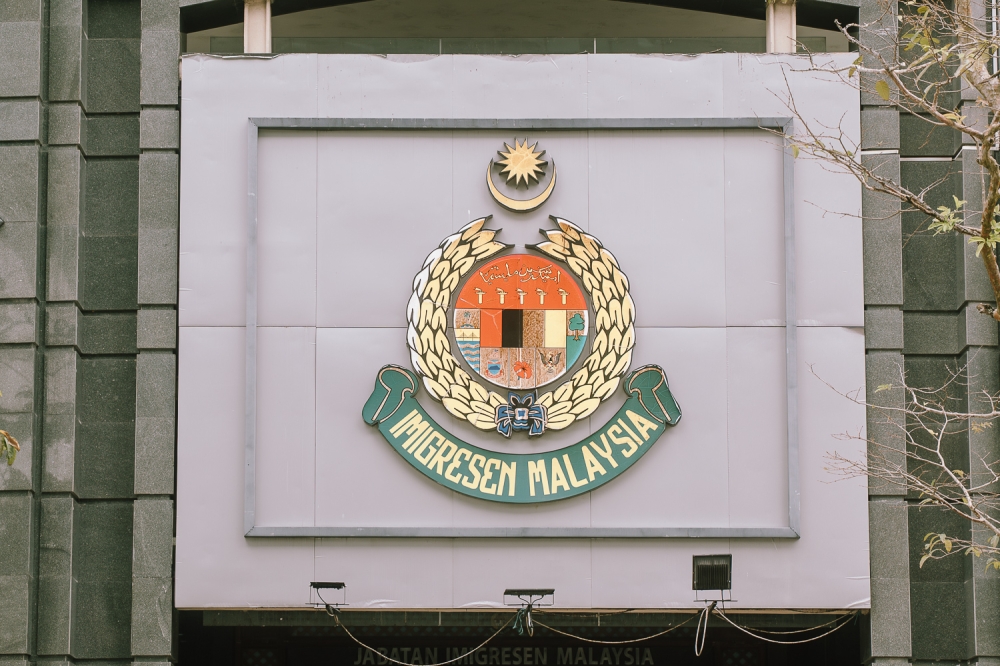
The Malaysian Immigration Department conducted a targeted enforcement operation that has exposed a sophisticated document forgery syndicate allegedly operating across Kuala Lumpur. Three Indonesian nationals were detained in connection with the scheme, which resulted in the seizure of 119 forged passports—a haul that underscores the persistent vulnerability of Malaysia's travel document security infrastructure to organized criminal networks.
The coordinated raids, executed by immigration enforcement teams, targeted multiple premises suspected of serving as hubs for the forgery operation. The scale of confiscated documents suggests the syndicate had been functioning for a period of time before detection, potentially facilitating illegal border crossings and document trafficking across the region. The identity and specific charges against the three detainees have not been fully disclosed, though authorities indicated the investigation is ongoing and may yield additional developments.
Passport forgery represents a multifaceted security threat that extends beyond document fraud. Counterfeit travel documents facilitate human trafficking, transnational smuggling operations, and enable individuals with criminal backgrounds or security concerns to evade detection at border checkpoints. Southeast Asia, with its porous borders and significant migratory populations, remains particularly vulnerable to such networks, making this bust a significant enforcement success for Malaysian authorities.
The discovery of such a large cache suggests demand for fraudulent documents remains robust across the region. For Indonesian nationals seeking to enter Malaysia or transit through Malaysian ports, counterfeit documents may represent a way to circumvent legitimate immigration procedures—particularly if visa requirements or background checks present obstacles to legal entry. The financial incentives for forgers are substantial, as the price differential between legitimate visa processing and black-market document procurement can be substantial.
Malaysia has faced recurring challenges with immigration-related document fraud over the years. The country hosts a significant migrant worker population, many of whom enter through legitimate channels, but the prevalence of irregular migration creates conditions under which forged documents command high prices. The operation uncovered in Kuala Lumpur likely serviced multiple constituencies: migrant workers seeking to extend unauthorized stays, individuals fleeing legal complications in their home countries, and potentially human trafficking operations moving vulnerable persons across borders.
The Malaysian Immigration Department's detection of this network reflects enhanced surveillance and intelligence-sharing capabilities within the immigration service. However, the sheer volume of documents seized raises questions about how thoroughly the forged passports had penetrated into circulation before the raids. Some documents may have already been used for border crossings, meaning the security implications extend beyond those documents now in government custody.
Regional cooperation will likely play a crucial role in the investigation's progression. Given that the detainees are Indonesian nationals, authorities in Jakarta may provide assistance with background checks and identification of potential recipients or distributors of the forged documents within Indonesia. ASEAN member states have developed information-sharing protocols for serious crimes, and document fraud of this scale would typically trigger regional alerts.
The implications for Malaysia's tourism and business sectors are indirect but real. While this bust demonstrates law enforcement effectiveness, the existence of such networks can complicate travel procedures and encourage authorities to implement stricter verification protocols at immigration checkpoints. Legitimate travelers may face longer processing times if document verification becomes more rigorous in response to documented forgery operations.
International criminal networks exploit gaps in document security across borders, and the Southeast Asian region remains an attractive target given the mix of high migration volumes and varying levels of document security infrastructure. The passports seized in this operation would have borne official markings and security features sufficiently convincing to potentially pass visual inspection by less-trained personnel, though modern biometric systems and database checks typically identify forgeries.
Autorities have indicated that further arrests may be forthcoming as the investigation expands. The focus will likely extend to identifying who manufactured the counterfeit documents, who distributed them, and who utilized them for border crossings. Each link in this supply chain represents both a criminal liability and a potential source of intelligence about the network's operational scope.
The Kuala Lumpur operation demonstrates that despite globalization and improved security technologies, document forgery remains a viable criminal enterprise in Southeast Asia. The 119 passports represent not merely administrative paperwork, but tools that could facilitate genuine security threats. The Malaysian Immigration Department's success in locating and confiscating this cache, combined with the arrest of three key operatives, disrupts at least one node in the region's document fraud ecosystem, though the underlying demand and incentive structures that sustain such networks will continue presenting enforcement challenges.

