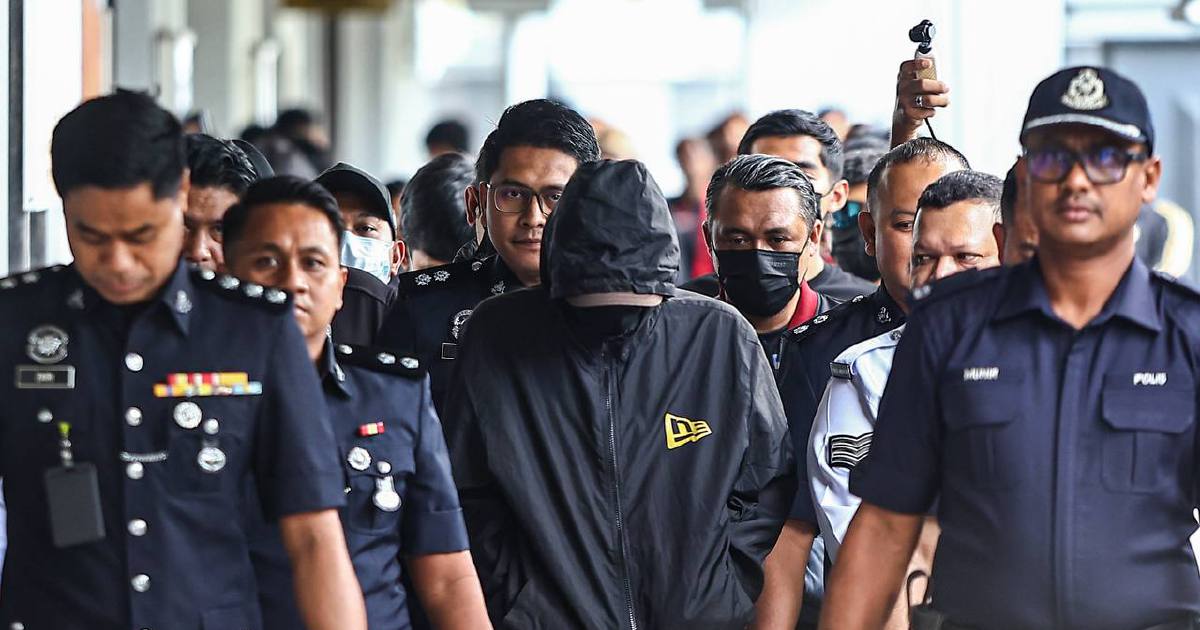
A lorry driver employed by Malaysia's Immigration Department appeared in Kuala Lumpur magistrates' court to answer five charges stemming from a collision at the Maju Junction intersection on Jalan Sultan Ismail, where three family members lost their lives. The driver elected to proceed to trial rather than enter a plea bargain, signalling that the case will likely proceed through the full legal process involving witness testimony and detailed examination of the circumstances surrounding the incident.
Three of the charges brought against the driver carry the most serious allegations: causing death by reckless or dangerous driving. These charges carry substantial potential penalties under Malaysian traffic and criminal law, reflecting the severity of fatal road incidents. The remaining two charges relate to other aspects of the accident that investigators have identified. The collision occurred at a major intersection in the heart of Kuala Lumpur's commercial district, an area typically characterised by heavy traffic flow and strict adherence to traffic regulations.
The Maju Junction intersection where the crash happened serves as a critical junction connecting multiple arterial roads in the city centre. Jalan Sultan Ismail itself is one of Kuala Lumpur's main thoroughfares, frequently congested during peak hours and travelled by thousands of vehicles daily. The location's prominence makes this incident particularly significant, as it raises questions about road safety standards at major urban intersections and whether current traffic management measures are adequate.
Fatal road accidents involving commercial vehicles, particularly those operated by government agencies, attract heightened scrutiny from both the public and regulatory authorities. The involvement of an Immigration Department vehicle adds another dimension to public concern, as government-operated vehicles are expected to adhere to the highest standards of maintenance and driver conduct. Questions will likely emerge during the trial regarding whether proper vehicle maintenance procedures were followed and whether the driver had undergone appropriate training and safety certification.
The decision to proceed to trial means the court will examine comprehensive evidence including police accident investigation reports, witness statements from those present at the scene, and potentially expert testimony regarding vehicle dynamics and road conditions at the time of impact. Digital evidence such as vehicle dashcam footage, traffic camera recordings, and mobile phone data may also feature in proceedings. The prosecution will need to establish not merely that a collision occurred, but that the driver's actions constituted recklessness or dangerous driving.
For the victims' families, the trial will likely be a prolonged process, as Malaysian criminal courts often experience significant case backlogs. The courtroom proceedings will force public examination of the circumstances leading to the deaths, providing some measure of accountability and transparency. However, the extended timeline also means an extended period of uncertainty and grief for those affected.
This incident highlights Malaysia's ongoing road safety challenge, a pressing public health issue that claims thousands of lives annually across the country. While major infrastructure improvements and public awareness campaigns have been implemented, accidents at prominent intersections in central Kuala Lumpur demonstrate that safety risks persist even in closely monitored urban areas. The case may prompt discussions about whether specific measures—such as mandatory vehicle safety inspections, driver fatigue monitoring, or enhanced traffic management at junction hotspots—require strengthening.
Investigators and prosecutors will need to determine precisely what led to the collision. Potential factors could include mechanical failure, weather conditions, visibility issues, traffic signal malfunctions, driver error, or a combination of circumstances. The outcome of the trial may establish important legal precedent regarding liability standards for operators of commercial vehicles in Malaysia.
The Immigration Department, as the employer of the driver, may face separate administrative scrutiny regarding its fleet management practices and whether its drivers receive adequate safety training. Government agencies operate under additional oversight compared to private commercial operators, and any deficiencies in procedures could become a focus of parallel investigations or reviews.
The magistrate's court will oversee the initial proceedings, though given the severity of the charges, the case may be transferred to a higher court if committal is ordered. This would allow for more extensive hearings and potentially stiffer sentences if conviction is secured. The legal process ahead will determine not only whether the driver bears criminal responsibility, but will also shape understanding of accountability within government transport operations and road safety standards at Malaysia's major urban intersections.

