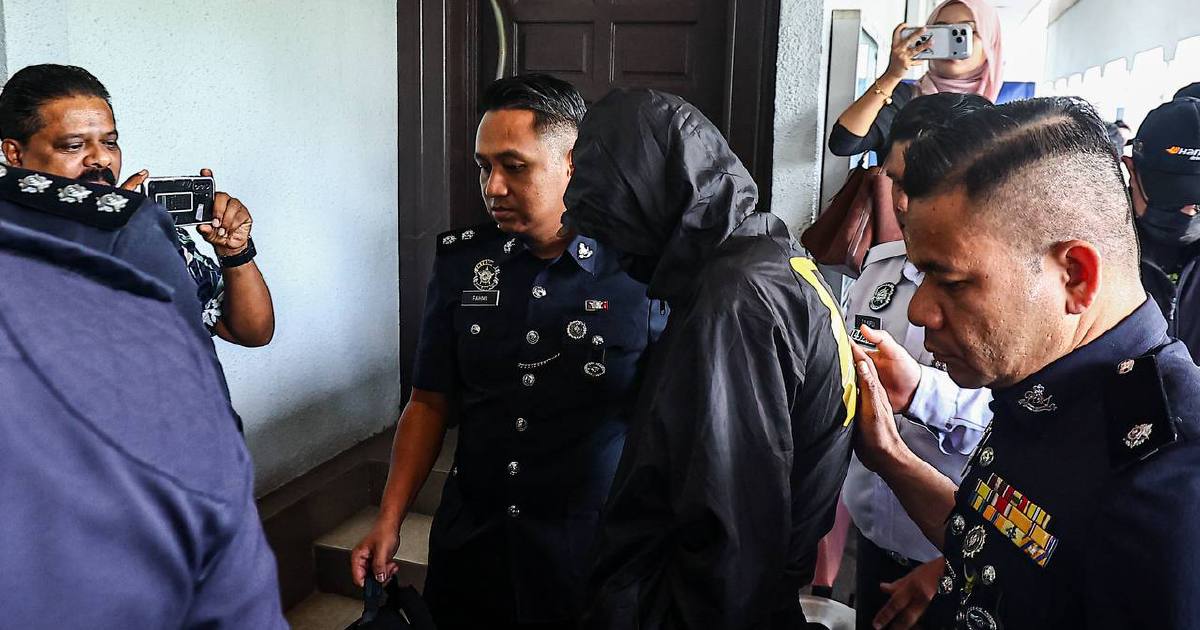
The driver of an Immigration Department vehicle has appeared before magistrates in Kuala Lumpur following a deadly accident that claimed lives on Jalan Sultan Ismail. The individual arrived at court today accompanied by a notable police presence, underscoring the seriousness of the incident and potential public interest concerns surrounding the case.
Jalan Sultan Ismail, one of Kuala Lumpur's major thoroughfares running through the commercial heart of the capital, is frequently congested during peak hours. The incident represents yet another serious traffic tragedy on a road that has witnessed multiple collisions over recent years, raising fresh concerns about safety management and enforcement along this critical urban corridor.
The involvement of a government vehicle in the accident carries particular significance for questions of accountability and operational standards within public sector organisations. The Immigration Department, as a federal agency responsible for border control and document management, typically operates a fleet maintained under specific regulatory frameworks. Any breach of those protocols becomes a matter of public accountability.
The presence of heavy police security at today's court proceeding suggests authorities are treating this matter with considerable gravity. Such measures indicate concerns about public order, media attention, or the sensitivity of the circumstances. The transport of detainees or witnesses in high-profile cases often receives similar protective measures to ensure court proceedings proceed without disruption.
The magistrates' court system in Malaysia handles preliminary hearings and criminal cases falling within lower court jurisdiction. Today's appearance would likely have involved bail considerations, remand orders, or initial charges being presented. The specific legal implications depend on whether charges relate to culpable negligence, dangerous driving, or other traffic-related offences carrying different sentencing ranges.
Traffic accidents involving commercial or government vehicles routinely trigger investigations by road safety authorities and the traffic police. These inquiries typically examine vehicle maintenance records, driver licensing status, working hour compliance, and whether mechanical failure or human error contributed to the collision. The outcomes of such investigations often inform charging decisions and subsequent prosecutions.
Fatalities resulting from motor accidents create lasting impacts on victim families and communities, while also attracting scrutiny regarding enforcement standards and vehicle operation protocols. For government departments, such incidents can prompt internal reviews of fleet management procedures and driver training requirements, though public disclosure of such reforms remains inconsistent across Malaysian agencies.
The case reflects broader challenges facing Malaysian road safety initiatives. Despite public campaigns and enforcement operations, fatal collisions continue regularly on major urban routes. Contributing factors typically include speed, weather conditions, driver fatigue, and mechanical issues, though investigations into individual incidents often reveal multiple causative elements rather than single factors.
Public sector drivers occupy a unique position within Malaysia's legal framework, as their actions potentially carry implications beyond personal liability to encompass departmental responsibility. This distinction sometimes influences prosecution approaches and sentencing considerations when government employees are involved in serious traffic incidents.
The courtroom proceedings today represent merely the initial stage in what may become a lengthy legal process. Depending on the severity of charges and evidence presented, the case could move through several court levels before final resolution. Throughout this process, the victim's family and public interest observers will monitor proceedings closely, as fatal collision cases frequently generate sustained media coverage and community concern about road safety standards.

