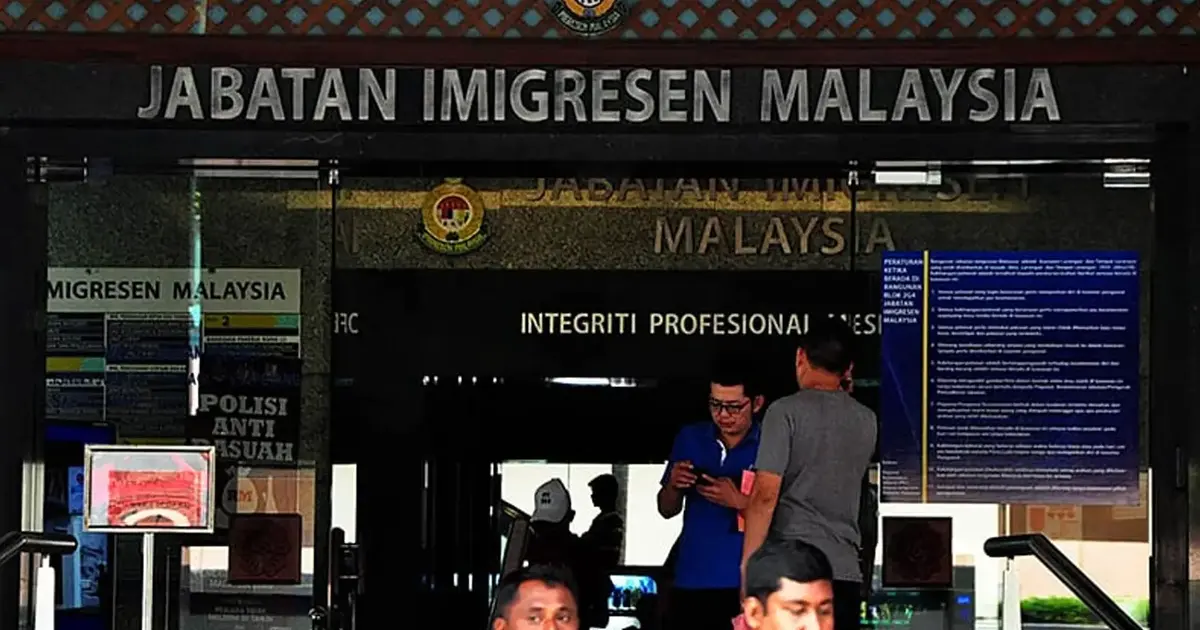
Eleven immigration officers have been arrested following investigations into a coordinated breach of the MyIMMs system, which allegedly enabled the unauthorised processing and approval of residence permits known as PLKS. The director-general of the Immigration Department has publicly stated that the culprits behind the cyber intrusion were identified virtually from the moment the breach came to light, suggesting a swift investigative response to what represents a significant security breach at a critical government institution.
The MyIMMs platform serves as the backbone of Malaysia's immigration administration, managing applications, approvals, and citizen records across the country. A successful hack into this system carries serious implications for national security and immigration integrity, as it potentially allows unauthorised individuals to obtain legal residence status or circumvent standard vetting procedures. The breach highlights vulnerabilities within digital infrastructure that millions of Malaysians and foreign residents depend upon for legitimate immigration matters.
The arrested officers are accused of conspiring together to compromise the system's integrity, suggesting this was not a case of isolated unauthorised actions but rather an organised scheme involving multiple personnel working in concert. This coordinated approach indicates potential involvement of individuals at different levels within the department, possibly including those with administrative access to sensitive systems. Such internal collusion poses particular challenges for enforcement agencies, as perpetrators already possess legitimate system credentials and understanding of departmental protocols.
The focus on facilitating PLKS approvals points to a specific objective beyond merely testing system vulnerabilities. PLKS represents formal authorisation for residence in Malaysia, making it a highly valuable commodity for those seeking to circumvent normal immigration procedures. The officers' alleged motivation and any financial incentives involved remain subjects of ongoing investigation, though such schemes typically involve compensation from applicants or third-party immigration agents.
From a Southeast Asian perspective, immigration system breaches carry regional implications. Malaysia's immigration infrastructure interconnects with ASEAN's broader efforts to manage mobility and security across the region. Compromised data or fraudulently authorised residents could potentially impact cross-border monitoring and regional threat assessment capabilities. Neighbouring nations may recalibrate their approach to verifying immigration status of individuals claiming Malaysian residence.
The swift identification of those responsible suggests either robust monitoring systems within the Immigration Department or that the conspiracy was conducted in sufficiently careless manner to leave clear digital footprints. System administrators may have detected unusual access patterns, data exfiltration, or approval anomalies that triggered alerts. Alternatively, informants within the department or external complaints about suspicious approvals may have accelerated the investigation.
This incident reflects broader cybersecurity challenges facing Malaysian government agencies. While the MyIMMs breach was eventually contained and perpetrators apprehended, it underscores the reality that even critical systems remain vulnerable to insider threats. The arrest of 11 officers suggests a need for enhanced internal controls, more rigorous background checks for personnel handling sensitive systems, and potentially revised access protocols limiting simultaneous approvals by single operators.
The handling of this case carries implications for public trust in immigration processes. Citizens and legitimate applicants may now harbour concerns about system reliability and the legitimacy of residence permits issued during the period when the hack was occurring. The government faces pressure to verify past approvals and potentially review recent PLKS grants to identify fraudulently processed applications, a time-consuming undertaking with significant administrative burden.
For foreign residents and prospective immigrants to Malaysia, the breach raises questions about data security and confidentiality. Personal information submitted through immigration channels could theoretically have been accessed or misused by the conspiring officers. Affected individuals may warrant notification, and the Immigration Department may face inquiries regarding safeguards for sensitive personal data held within MyIMMs.
The investigation's progression from initial breach detection to arrests occurred with noteworthy speed, suggesting effective coordination between immigration authorities and law enforcement agencies such as the Malaysian Anti-Corruption Commission or the police cyber crime unit. However, the broader investigation into the full scope of fraudulent approvals, financial transactions, and involvement of external agents likely continues alongside the criminal proceedings against the arrested officers.
Moving forward, the case demonstrates that substantial institutional reform may be necessary to prevent recurrence. Enhanced segregation of duties, mandatory multi-factor authentication, real-time audit trails for approval transactions, and regular security assessments of MyIMMs architecture would strengthen defences against future breaches. Staff training on cybersecurity protocols and whistleblower mechanisms might discourage internal conspiracy.
The incident ultimately reflects the ongoing tension between operational efficiency and security in government digital systems. Immigration departments must process high volumes of applications rapidly while simultaneously protecting against fraud and maintaining data integrity. Striking this balance requires investment in technology, personnel training, and robust governance frameworks that Malaysian authorities must now prioritise as they rebuild confidence in the MyIMMs ecosystem.

