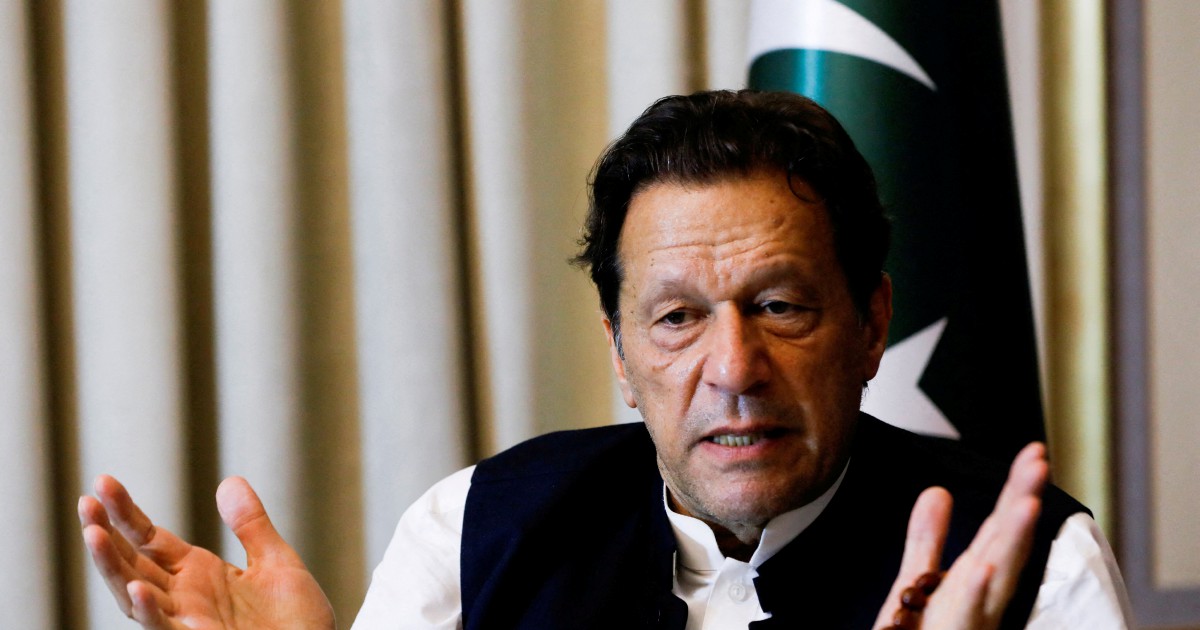
Former Pakistani Prime Minister Imran Khan has been remanded to custody after concluding a medical examination at a healthcare facility in Islamabad, according to confirmation from a senior government official on Friday. The high-profile opposition leader underwent the assessment following specific directions issued by the court, after which authorities proceeded with his return to detention.
The development represents a continuing pattern of legal procedures surrounding Khan's custody status. The former prime minister, who served as Pakistan's chief executive from 2018 to 2022, has faced an array of legal challenges since losing power. His detention and the conditions surrounding it have attracted substantial domestic and international scrutiny, particularly given his prominent position within Pakistani politics and his sustained influence over significant segments of the country's electorate.
Khan's political movement, Pakistan Tehreek-e-Insaf (PTI), has mobilised considerable grassroots support, and his legal difficulties have become intertwined with Pakistan's broader political tensions. The party and its supporters have characterised various legal actions against Khan as politically motivated, allegations that have intensified public discourse surrounding judicial independence and the rule of law in Pakistan. These disputes have contributed to a polarised political environment within the nation.
The requirement for a medical assessment prior to continued detention reflects standard judicial procedures within Pakistan's legal framework, though such interventions often become focal points of controversy. Prison conditions, access to healthcare, and the handling of high-profile detainees frequently generate debate regarding human rights standards and the treatment of political opponents within the criminal justice system.
From a regional perspective, Khan's legal situation carries implications for South Asian politics. Pakistan's domestic political instability, reflected in its leadership struggles and institutional tensions, influences broader regional dynamics affecting bilateral relations with neighbouring countries including India, Afghanistan, and the Central Asian republics. Khan's tenure as prime minister was notably marked by his efforts to recalibrate Pakistan's foreign policy stance, particularly regarding diplomatic approaches to regional powers and engagement with international institutions.
The former premier's political trajectory has been distinctive within Pakistani politics. Khan transitioned from an international cricket personality to political leadership, building his party on an anti-corruption platform that resonated with middle-class and youth constituencies dissatisfied with traditional political establishments. This background distinguishes him from conventional Pakistani political figures and has contributed to the passionately contested nature of his current legal proceedings.
Khan's detention comes at a time when Pakistan confronts significant economic challenges, including external pressures from international financial institutions and concerns regarding macroeconomic stability. The country's current administration, led by Prime Minister Shehbaz Sharif, faces complex governance issues ranging from fiscal management to security challenges in various provinces. Political fragmentation resulting from Khan's opposition activities and the PTI's parliamentary presence adds another layer of complexity to Pakistan's institutional functioning.
The court-ordered medical examination, while routine in procedural terms, underscores ongoing concerns among international observers and local human rights organisations regarding detention conditions and safeguarding of detainees' wellbeing. Such assessments can serve both protective and procedural functions within legal systems, though interpretations of their necessity often diverge along political lines within Pakistan's polarised context.
For Malaysian observers and Southeast Asian policymakers, developments concerning major political figures in neighbouring South Asia warrant attention given the region's interconnectedness through economic partnerships, security arrangements, and people-to-people exchanges. Pakistan's internal political stability influences international engagement patterns and regional cooperation frameworks, factors relevant to broader Asian geopolitical considerations.
Khan's supporters have organised demonstrations supporting his release and protesting against what they characterise as judicial harassment. These movements have occasionally escalated into confrontations with law enforcement, reflecting the intensity of sentiment surrounding his case among certain segments of Pakistani society. The trajectory of his legal proceedings will likely continue shaping Pakistan's political climate throughout the coming months.

