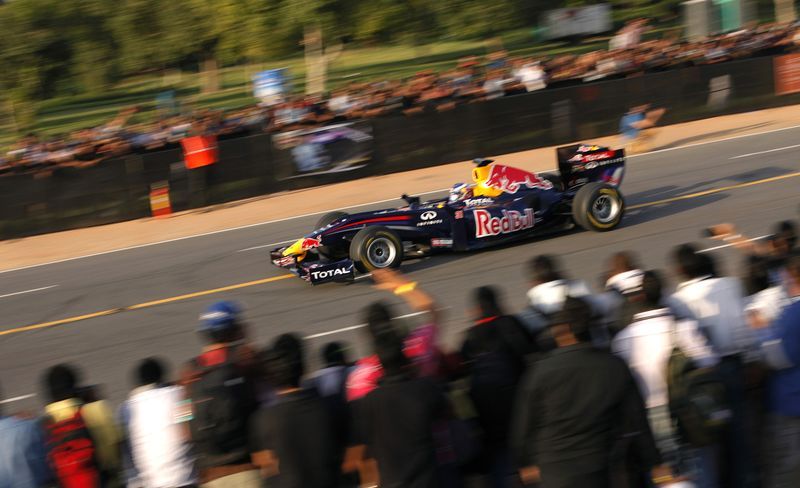
India's government is taking concrete steps to resurrect Formula One racing in the country, targeting a return of the Grand Prix to the Buddh International Circuit on New Delhi's outskirts by 2028. The push represents a significant effort to reclaim India's place on the global motorsports calendar after more than a decade of absence, with authorities now confronting the thorny bureaucratic and fiscal challenges that derailed the event the first time around.
India's previous experiment with hosting Formula One began promisingly with the inaugural Grand Prix in 2011, but the momentum proved short-lived. After just three years and three races, the event ground to a halt in 2013 when unresolved taxation disputes and regulatory complications made the venture untenable for race organizers. The abrupt termination left India as a conspicuous gap in Formula One's global itinerary, particularly given the nation's massive automotive industry and growing consumer interest in motorsports.
The revival effort gained institutional traction when Sports Minister Mansukh Mandaviya convened key stakeholders earlier this month. Among those present were representatives from the Adani Group, positioned to take operational control of the Buddh circuit, alongside officials from India's motorsports federation. The convergence of political will and private sector interest signals a more coordinated approach than what preceded the previous venture, though success remains contingent on resolving fundamental structural impediments.
Central to the government's strategy is the establishment of a specialized task force tasked with dismantling the regulatory architecture that previously hindered operations. According to ministry sources, the panel will examine a comprehensive range of obstacles, from taxation frameworks and regulatory compliance to infrastructure requirements and necessary policy reforms. The inclusion of India's tax authorities on the task force underscores the severity of fiscal complications that historically plagued the event, suggesting that revenue-sharing arrangements and exemption structures will require substantial reworking.
The bureaucratic machinery has been mobilized to accelerate progress on this file. India's apex policy think tank, the Niti Aayog, has been assigned responsibility for inter-ministerial coordination, tasked with cutting through administrative red tape that has historically bogged down such ventures. This institutional elevation reflects recognition that Formula One's return cannot succeed through ad hoc negotiations but requires sustained, coordinated government engagement across multiple departments and agencies.
The Adani Group's involvement adds a crucial private-sector dimension to these efforts. The conglomerate, through its subsidiary APSEZ, is in the process of acquiring ownership of the track from the previous operators. Karan Adani, managing director of APSEZ, has publicly declared his personal commitment to facilitating Formula One's homecoming, suggesting that the group views the venture as strategically important to its broader portfolio ambitions. While the company declined to provide specific comment to international media, its willingness to invest in track rehabilitation signals confidence in the project's viability.
For Formula One itself, India represents unfinished business and untapped potential. The sport's global chief executive, Stefano Domenicali, confirmed in recent comments that the organization maintains substantial interest in returning to India, yet cautioned against unrealistic timelines. In remarks to Indian broadcasters, Domenicali emphasized that any revival would require identifying the appropriate promotional partners, securing meaningful collaboration frameworks, and allowing sufficient preparation time—none of which, he suggested, could be expedited to fit a compressed schedule.
The 2028 target date reflects this measured approach. Rather than attempting an immediate return, the government and its prospective partners are building in sufficient lead time to address fundamental issues methodically. This extended timeline provides space for tax legislation to be reformed, regulatory bodies to realign their frameworks, and infrastructure improvements to be completed. It also allows Formula One to finalize other commitments while demonstrating to potential investors that India's ecosystem can accommodate the event sustainably.
For Southeast Asian observers, India's motorsports revival carries broader implications. The region has competed for prominence in global sporting calendars, with countries like Singapore, Thailand, and Vietnam hosting international racing events. India's successful revival of Formula One would enhance the subcontinent's competitive positioning and potentially trigger a ripple effect across Asia, as other nations accelerate their own motorsports infrastructure investments to retain or capture prestige events.
The bureaucratic complexity now being systematically addressed reflects lessons from the previous failure. Rather than leaving taxation and regulation to ad hoc negotiation, the current approach embeds these considerations into formal government structures from inception. This institutional maturity suggests that policymakers have absorbed the costly lesson that hosting Formula One requires not merely enthusiasm and capital investment, but sophisticated coordination across fiscal, regulatory, and operational domains.
Success remains far from assured, however. The intervening years have witnessed shifts in Formula One's priorities, with the sport increasingly emphasizing sustainability credentials and diverse geographic representation. India's capacity to meet evolving standards for environmental management and social responsibility will likely factor into final approval decisions alongside traditional commercial considerations.
The government's establishment of this task force represents a meaningful commitment to resolving obstacles that previously seemed intractable. Whether sustained political will, coordinated bureaucratic action, and private-sector investment can finally overcome the tax and regulatory hurdles that defeated Formula One in India a decade ago will become evident in coming months as the panel commences its work.

